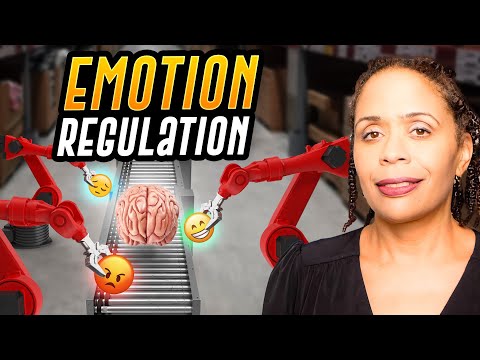
You know, sometimes our emotions just seem to take the wheel. One minute you’re fine, and the next, you’re spiraling. Ever been there?
Cognitive emotion regulation is like the toolkit you didn’t know you needed. It’s all about how we think about our feelings, and trust me, it can make a world of difference.
Think of it as learning to dance with your emotions instead of just tripping over them. Sound good?
In mental health practices, this stuff is a game changer. You can actually balance out those wild feelings with some strategies that help you cope better.
So, let’s unpack this together!
Mastering Emotional Regulation: Key to Enhancing Your Mental Health
So, let’s chat about mastering emotional regulation. It’s like getting your emotions to play nice with each other. You know, understanding what you feel and turning down the volume on those intense vibes when necessary. Seriously, nailing this skill can really boost your mental health.
Emotions are tricky, right? They can hit you out of nowhere. One moment you’re fine, and the next you’re feeling overwhelmed. Not a fun rollercoaster. That’s where emotional regulation steps in—it helps you manage those ups and downs without losing your mind.
Cognitive Emotion Regulation is all about how we think about our feelings and using that to cope better. Here’s how it breaks down:
- Awareness: First things first—be aware of what you’re feeling. This is like checking in with yourself. Are you angry? Sad? Anxious? Recognizing your feelings is a big deal.
- Reappraisal: This fancy term means looking at a situation from a different angle. For example, if you bombed an exam, instead of thinking «I’m such a failure,» try «I didn’t study enough this time but I can do better next time.”
- Distraction: Sometimes it helps to take a break from what’s bugging you. Watch a funny movie, go for a walk—whatever pulls your mind away from the stress for a bit.
- Coping strategies: Develop good habits that help when stuff gets heavy—like deep breathing or journaling your thoughts out.
Let me tell ya about my friend Mike. He used to let every little thing get under his skin—like when someone cut him off in traffic or his coffee order was messed up. His emotions would take over, leading him to react poorly or just feel miserable for hours afterward.
Then he learned about some cognitive emotion regulation techniques! Now, when he feels that anger rising, instead of shouting at other drivers or sulking all day, he takes a breath and thinks something like “Hey, they’re probably having a rough day too.” It’s made such a difference! He feels more balanced and less stressed out.
Of course, it’s not always easy to regulate emotions; it takes practice and patience. But hey, every small step counts! The goal is to build up that muscle so reactions don’t run the show anymore.
In short, mastering emotional regulation is like becoming friends with your feelings instead of battling them constantly. You learn how manage them calmly so they don’t take over your life—that’s going to enhance your mental health big time!
Exploring the Connection: How Emotion Regulation Impacts Mental Health – A Comprehensive Meta-Analysis
When we talk about emotion regulation, we’re diving into a pretty crucial aspect of mental health. Basically, it’s how you manage and respond to your emotional experiences. If you’ve ever felt like your emotions were just too much to handle, you’re not alone. A lot of people struggle with this, and it can seriously impact mental health.
So, what happens if you’re not good at regulating those emotions? Well, poor emotion regulation can lead to all sorts of issues. Think about anxiety, depression, and even things like anger management problems. People who can’t control their emotional responses often feel overwhelmed. It’s like being on a rollercoaster that never stops.
What’s fascinating is the research surrounding this topic. Studies show that effective emotion regulation is linked to better mental health outcomes. For example, when someone learns how to cope with stress or sadness—like talking it out with friends or finding a creative outlet—they experience less anxiety and depression.
Here are some key points from recent findings:
- Healthy Coping Mechanisms: Techniques like mindfulness or cognitive restructuring can help shift negative thought patterns.
- Cognitive Emotion Regulation: This focuses on understanding and modifying emotional responses through thought processes.
- Mental Health Practices: Integrating emotion regulation strategies into therapy can improve outcomes for clients dealing with mental illnesses.
Imagine someone named Sarah who was struggling with her emotions after a tough breakup. At first, she reacted impulsively—crying one minute, then angry the next. But after some therapy sessions focused on emotion regulation techniques, she learned ways to pause and assess her feelings before reacting. Now she’s processing her emotions much better; instead of spiraling into sadness, she uses journaling as an outlet.
The connection between these skills and mental health isn’t just theoretical; it’s been backed up by meta-analyses—basically studies that look at tons of other studies—to conclude that learning effective emotion management leads to fewer symptoms of mental illness over time.
Moreover, the way emotion regulation impacts our lives goes beyond just managing stress or sadness. It’s about our ability to maintain relationships too! When you can express your feelings without going overboard or shutting down completely, it allows for healthier communication with others.
So yeah, cultivating these skills isn’t just beneficial—it’s essential for maintaining good mental health! People who do well in managing their emotions are also found to have stronger support systems because they communicate their needs more effectively.
In sum, understanding how emotion regulation fits into the bigger picture of mental health is super important. It’s about learning strategies that work for you personally—you know? And taking those steps towards improvement can really make a difference in your everyday life!
Unlocking Child Development: The Crucial Role of Emotional Regulation
Emotional regulation is, like, super important for kids as they grow up. Seriously, it shapes how they deal with feelings, handle stress, and interact with others. When children learn to manage their emotions, it opens the door to better relationships and a healthier mental state.
So, what is emotional regulation? It’s basically how we control our emotional responses. For kids, this means learning to calm down when they’re upset or finding ways to express joy without going overboard. When kids have good emotional regulation skills, they can navigate life’s ups and downs more easily.
Now, let’s talk about cognitive emotion regulation. It’s a fancy term that refers to the thought processes we use to manage emotions. Think of it like having tools in a toolbox. These tools help you think through feelings instead of just feeling them all at once.
Here are a few key points on how emotional regulation plays out in child development:
To illustrate this, let’s consider a little story: Imagine a kid named Sam who gets frustrated when he loses at soccer. Instead of throwing his hands up in anger or storming off the field—things he might do without any coping strategies—his coach taught him how to take deep breaths and think about fun moments from past games instead. This helped Sam calm down and even celebrate his friends’ goals!
It’s just clear that nurturing strong emotional regulation skills early on creates lasting benefits for children’s overall well-being. They are more prepared for challenges later in life because they’ve practiced managing those tricky feelings from an early age.
In short, helping kids understand and regulate their emotions isn’t just about helping them get through tough times; it’s building blocks for healthy adulthood! With each step you take towards teaching these skills, you’re paving the way for happier futures for our little ones.
Okay, so let’s chat about cognitive emotion regulation. It sounds pretty fancy, right? But when you break it down, it’s all about how we handle our emotions—like, how we think about them. And honestly, this plays a huge role in mental health practices.
Picture a friend who just got dumped. Ouch, that hurts! But how they cope with that heartbreak can make a world of difference. Some folks might spiral into negative thoughts, replaying every little thing that went wrong. Others might take a step back and think about what they can learn from their experience or even find silver linings in the situation. It’s like that old saying: «Is the glass half full or half empty?»
In therapy settings, therapists often use cognitive emotion regulation techniques to help people manage their feelings better. You know how sometimes you just need someone to help you see things from a different angle? That’s kind of the deal here! By teaching clients ways to reframe their thoughts—like swapping out “I’m alone” for “I’m using this time to focus on myself”—therapists can guide them toward healthier emotional responses.
It’s not always easy though! I mean, let’s be real: thoughts can be sticky and hard to shake off. You might feel overwhelmed one minute and calm the next—it’s like an emotional rollercoaster! But learning these techniques can empower people to navigate those ups and downs with more grace.
And let’s not forget about mindfulness practices that often come into play too. Being present with your feelings—acknowledging them without judgment—can really change the game. You know, it reminds me of when I sat on my porch during a thunderstorm feeling anxious but then just… accepted it for what it was—a moment in time I couldn’t control but could be aware of.
What really stands out is that cognitive emotion regulation isn’t just something you do once; it’s like exercising your brain! The more you practice these skills in everyday life—or even with your therapist—the better equipped you’ll be when life throws its curveballs at you.
So yeah, overall, knowing how to handle our emotions through cognitive strategies can genuinely make a difference in mental health practices. It opens doors for growth and healing, helping us become more resilient individuals. Who wouldn’t want that?