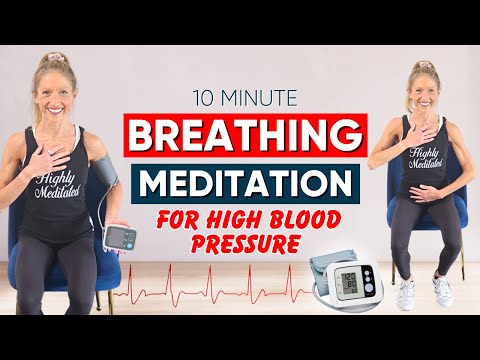
You know those days when everything feels like too much? Yeah, we’ve all been there. Stress creeps in, and before you know it, your blood pressure’s up and you’re just not feeling great.
Here’s the thing: it doesn’t have to be that way. Breathing meditation can totally help. Seriously, just a few minutes can make a world of difference.
Imagine being able to hit pause on all that craziness. Taking a deep breath, letting it all out… that’s where the magic is. It’s like giving your mind and body a little hug!
So, let’s chat about how breathing meditation can help you chill out and keep that blood pressure in check. Sound good?
Revolutionary Breathing Techniques to Effectively Lower Blood Pressure: Discover the Science Behind Stress Relief
Breathing techniques can be like your secret weapon against stress and high blood pressure. Seriously, they’re simple tools that you can use anywhere, anytime. By focusing on your breath, you can calm your mind and help your body chill out.
When you’re stressed, your body goes into fight-or-flight mode. This means your heart races, and blood pressure goes up. But here’s where breathing comes into play: deep and mindful breathing can literally turn that around.
To keep it easy to follow, let’s break this down:
So what’s cool about these techniques? They’re all backed by science! Studies show that people who practice these breathing methods regularly have lower blood pressure levels compared to those who don’t do them at all.
Let me share a little story: My friend Jake used to freak out during job interviews. His heart would race like he just ran a marathon! One day he decided to try 4-7-8 breathing before an interview. He was honestly nervous but remembered to focus on his breath. After just a few rounds of this technique, he felt so much calmer—like a weight had been lifted off his shoulders!
Now here’s the thing about practicing these methods: you won’t see magic results overnight—like anything worthwhile! Consistency is key here. Just try practicing for even five minutes every day. You’ll be surprised by how much of a difference it can make.
Anyway, while breathing techniques are fantastic for managing stress and lowering blood pressure, it’s also good to remember that they aren’t a replacement for medical treatment when needed. Always give yourself grace if you’re struggling with pressure—it happens to everyone!
So there you have it—breathwork could be the game-changer you didn’t know you needed in managing stress and hypertension!
Transform Your Health: Breathing Meditation Techniques to Lower Blood Pressure and Reduce Stress
Breathing meditation is a pretty neat tool for managing stress and even lowering blood pressure. You know, sometimes life just throws too much at you, and it can feel overwhelming. That’s when techniques like these come in handy.
Breathing exercises help calm your mind and body. They can reduce anxiety, making it easier to handle whatever’s going on in life. Plus, when you’re breathing deeply, it sends a signal to your brain that everything’s okay. This helps lower heart rates and blood pressure levels.
- Diaphragmatic Breathing: This involves focusing on your belly as you breathe. Instead of shallow chest breaths, you want deep breaths that fill your lower lungs. Picture a balloon inflating; that’s what your belly should do as you inhale.
- 4-7-8 Breathing: One popular technique is inhaling for four counts, holding the breath for seven counts, then exhaling for eight counts. It may sound weird but give it a try! It can really help slow down racing thoughts.
- Pursed Lip Breathing: You breathe in through your nose and then exhale slowly through pursed lips—like you’re blowing out birthday candles. This can be especially useful if you’re feeling breathless or anxious.
Remember when I said how life gets overwhelming? I’ll share a quick story: A friend of mine was super anxious about work and started feeling physical symptoms like headaches and tightness in her chest. She felt really overwhelmed during meetings, but once she got into some breathing exercises—especially that 4-7-8 method—she noticed she could manage her anxiety way better. Just taking those few moments to focus on breathing helped her regain control.
So here’s the deal: To get the most out of breathing meditation, set aside just a few minutes daily to practice. Find a quiet spot where you won’t be disturbed, sit comfortably or even lie down if that’s better for you.
Now, it might feel silly at first. But trust me; over time, you’ll notice significant changes in how you respond to stressors and how your body feels. Your heart rate may drop, leading to lower blood pressure too!
Incorporating this practice into your routine doesn’t have to be complicated either! You might start with five minutes each day and then gradually increase the time as you get more comfortable with it.
To wrap this up: Breathing meditation offers an accessible way to take charge of stress levels while also helping support heart health. When life’s pressures start piling up again (and they will), remember you’ve got this simple yet powerful tool at hand!
Free Breathing Meditation Techniques to Lower Blood Pressure and Reduce Stress
Breathing meditation is a simple yet powerful way to help lower blood pressure and manage stress. You know that feeling when you’re just overwhelmed? Like the world is piling up on you? That’s where breathing techniques come into play.
Why Breathing Meditation?
Basically, when you focus on your breath, you activate your body’s relaxation response. This helps reduce levels of stress hormones, which can lead to lower blood pressure. It’s like hitting a reset button for your mind and body.
Here are a few free breathing techniques that can make a real difference:
- Deep Breathing: Sit or lie comfortably. Close your eyes and take a slow, deep breath in through your nose. Let your belly rise as you fill your lungs. Hold it for just a sec, then slowly exhale through your mouth. Repeat this for several minutes. It might sound simple, but it does wonders.
- 4-7-8 Breathing: Inhale through your nose for a count of 4, hold for 7, and exhale through your mouth for 8 counts. Doing this helps slow down your heart rate and can seriously calm anxiety.
- Box Breathing: Picture a box in your mind. Breathe in through your nose for 4 counts, hold it for another 4, breathe out through your mouth for 4 counts, and hold again for 4 before inhaling again. It’s like creating your little mental escape room!
Just the other day, my friend Sarah was dealing with some tough work stress. She started using deep breathing whenever she felt her heart racing during meetings—she swore by it! After just a couple of weeks of practice, she felt more in control and less anxious overall.
Now about the sciencey stuff: studies have shown that regular practice of these techniques can lead to significant drops in blood pressure over time. And hey, it’s not just about the numbers; it affects how you feel emotionally too!
So if you’re feeling the weight of stress or are worried about blood pressure issues, trying out some breathing exercises could really be worth it. It doesn’t take much time or fancy tools—just you and some quiet space to get started.
Remember though—not every technique works for everyone right away! So give yourself grace as you explore what fits best into *your* life rhythm!
Breathing meditation might sound, I don’t know, a bit simple or even cliché, but trust me, it can have some real power, especially when it comes to managing blood pressure and stress. Picture this: you’re sitting in a quiet room after a long day. The weight of work deadlines and personal stuff is just piling up. Then someone says, “Hey, try breathing meditation.” At first, you might roll your eyes and think it’s too easy to be effective. But look—what if it actually helps?
It’s all about that moment of pause. You know how sometimes you just need to hit the brakes? With breathing meditation, you literally tune into your breath. That rhythmic inhale, then exhale—it’s calming in a way that feels really good for your whole being, like slipping into a warm bath after getting caught in the rain.
There was this one time when my friend was feeling super overwhelmed with everything—family issues and work stress were piling on her like bricks. She decided to give breathing meditation a try. At first, she found it frustrating; her mind kept racing back to all the worries that surrounded her. But after sticking with it for a few days, something clicked! She started feeling lighter—not just mentally but physically as well.
When you focus on your breath, something magical happens—you activate your body’s relaxation response. This whole process helps lower blood pressure because you’re basically telling your body: «Hey! Chill out for a sec!» And the less stressed you are? That can lead to better heart health over time! It’s like giving yourself permission to slow down in our fast-paced world.
Even if you’re not into meditation or think it’s too “touchy-feely,” just taking those few minutes each day can shift how you handle life’s little stresses. So next time things get hectic and your heart starts racing? Maybe take a moment to breathe instead of stressing out about all the things on your plate. You’ll be amazed at how such an uncomplicated act can make such a big difference.