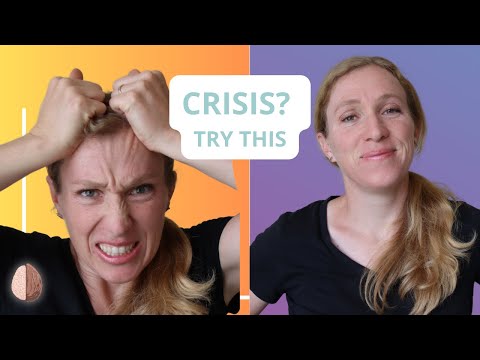
Hey! You know those days when everything feels like it’s piling up? Yeah, we’ve all been there. Life throws curveballs, and sometimes it feels super overwhelming.
This blog provides content for informational, educational, and reflective purposes only. The information published here does not constitute medical, psychological, or psychiatric advice, and it does not replace the evaluation, diagnosis, treatment, or individualized guidance of a properly licensed professional. If you believe you may be experiencing a psychological or health-related issue, consult a qualified professional as soon as possible before making important decisions about your well-being. Do not self-medicate or start, stop, or change medications, therapies, or treatments on your own. While we aim to provide useful and accurate information, we do not guarantee that it is complete, current, or suitable for every situation. Your use of this content is at your own risk, and reading it does not create a professional, clinical, or therapeutic relationship with the author or this website.
But what if I told you there’s a way to bounce back? Seriously! It’s called building resilience. It’s like creating your own little safety net for when things get tough.
Enter DBT self-regulation skills. They’re not just a bunch of fancy terms; these are tools that can help you manage emotions better, make sense of chaos, and keep you grounded.
So let’s chat about how you can add some of these skills to your toolkit. It might just change the way you handle life’s ups and downs. Sound good?
Enhance Your Resilience: A Comprehensive Guide to DBT Self-Regulation Skills Worksheet
Resilience is kinda like that rubber band you loved as a kid. You can stretch it really far, but it bounces back even stronger. Building resilience helps you cope with life’s ups and downs, and that’s where **DBT (Dialectical Behavior Therapy)** self-regulation skills come into play. These skills are all about managing your emotions and reactions to stressors. Let’s explore what they are.
One of the core goals of DBT is to enhance your ability to regulate emotions. With these skills, you’re not just reacting to what’s happening around you; instead, you’re more like a wise captain steering your ship through rough waters.
**Mindfulness** is foundational in DBT. It’s about being present in the moment without judgment. When you’re mindful, you notice your thoughts and feelings without getting swept away by them. For instance, if you’re feeling anxious before a big presentation, mindfulness can help you recognize that anxiety instead of letting it take over.
Then there’s **distress tolerance**, which helps when things get tough. Think about those moments when everything feels overwhelming—like after an argument with a friend or receiving bad news. Distress tolerance skills teach you how to sit with discomfort without reacting impulsively or making things worse.
Next up is **emotion regulation**. Imagine trying to tame a wild horse—that’s what mastering your emotions feels like sometimes! These skills help you identify triggers and change emotional responses. If you notice that social events make you super anxious, for example, emotion regulation can guide you in slowly building tolerance in those situations rather than avoiding them altogether.
Now let’s not forget about **interpersonal effectiveness**. Building solid relationships can significantly boost resilience! These skills help with asking for what you need while maintaining respect for yourself and others. Think of it as learning to communicate effectively so your voice is heard without stepping on toes.
In practice, it might look like this: You’re at work feeling overburdened during a team project. Instead of bottling it up or snapping at coworkers, you’d use interpersonal effectiveness techniques to express your concerns clearly and constructively.
And here’s the kicker: these DBT skills are not just theoretical; they’re meant to be applied in real life daily! It might feel clunky at first—hey, we’ve all been there—but practice makes progress.
Remember that it’s okay if things don’t go perfectly every time; even small steps count towards building that resilience muscle! Like when I tried mindfulness for the first time—it was awkward! I kept getting lost in my thoughts… But over time? It got easier!
So whether you’re feeling overwhelmed by life’s challenges or just looking to strengthen your emotional fitness, embracing these DBT self-regulation skills can seriously transform how you handle tough situations. You’ve got this! Just take it one day at a time and be kind to yourself along the way!
Mastering DBT Emotion Regulation Skills: Downloadable PDF Guide for Better Mental Health
Using Dialectical Behavior Therapy (DBT) for emotion regulation can be a real game changer for your mental health. So, what’s the deal with mastering these skills? Basically, DBT helps you manage your emotions better and builds resilience against life’s ups and downs.
First off, let’s get into some of the **core emotion regulation skills** that DBT emphasizes. These skills aim to help you understand and manage strong emotions without feeling overwhelmed or shutting down.
- Identifying Emotions: The first step is knowing what you’re feeling. Sometimes, you might feel angry but think it’s just frustration. Getting specific can really help you address what’s actually going on.
- Understanding Triggers: Recognizing what sets off those emotions is crucial. It could be a specific person or situation that gets your heart racing or your stomach in knots.
- Reducing Emotional Vulnerability: This means taking care of yourself by getting enough sleep, eating well, and staying active. When your basic needs are met, you’re less likely to be taken down by emotional waves.
- Increased Mindfulness: This one’s about being present in the moment. Instead of tuning out or zoning out when things get tough, try focusing on how you’re feeling right now without diving into judgment.
- Opposite Action: If you’re feeling a certain way but it’s not helpful—a classic example is wanting to isolate when you’re sad—do something opposite instead! Engage with friends instead of hiding away.
Now, maybe this sounds easy in theory but tough in practice. Like the time my friend Sarah was completely overwhelmed at work one week; she had reports due and felt paralyzed by anxiety. Using some DBT skills helped her break down her feelings into bite-sized pieces—she identified frustration as her trigger which led to fear about failing deadlines. By pinpointing those emotions, she started tackling them one at a time.
Another essential part of this is using **DBT tools** effectively. You might find worksheets or downloadable PDF guides really useful for tracking your emotions and progress over time. These often include prompts that encourage reflection on how you’re handling situations.
What I think is important here is not just learning these skills but practicing them regularly until they become second nature. You’ll need patience; change doesn’t happen overnight.
Lastly, if you’re looking to build resilience specifically through these methods, think about how practicing these skills consistently will help strengthen your ability to bounce back when things go wrong or feel overwhelming—like having a mental safety net under you ready to catch you.
So yeah, remember it’s all about understanding yourself better and finding healthier ways to cope with what life throws at you!
Master Your Emotions: Downloadable Emotional Regulation Worksheets in PDF Format
Emotions can hit hard sometimes, right? You’re cruising along, everything feels okay, and bam! Out of nowhere, you feel like a rollercoaster in your chest. That’s where emotional regulation comes in. Think of it as your internal control panel for feelings—adjusting the volume and finding that sweet spot where you can handle stuff without losing it.
So, what exactly is emotional regulation? Basically, it’s all about managing your emotional responses in a way that doesn’t send you spiraling. This could mean knowing when to take a breath before reacting or figuring out how to express anger without blowing up at someone.
One effective way to get a grip on this is using **DBT (Dialectical Behavior Therapy)** skills. They focus on building resilience and self-regulation. It’s like giving yourself tools to tackle life’s curveballs more effectively.
Now, let’s talk about those **downloadable emotional regulation worksheets** in PDF format. They can be super handy! Here’s why:
- Structured Guidance: These worksheets give you step-by-step processes to identify and manage your emotions.
- Self-Reflection: They encourage you to think about what triggers certain feelings and how you typically react.
- Skill Practice: Many include exercises that help reinforce DBT skills like mindfulness or distress tolerance.
Imagine filling out one of these sheets after a rough day. You might jot down what made you upset and then explore healthier coping strategies instead of just reacting impulsively.
Let’s say you had a terrible day at work. You felt frustrated but also anxious about going home because you’d rather not snap at your partner over something small later on. With a worksheet, you could break down the feeling: “Okay, I’m frustrated because I had an overwhelming workload.” Then you’d look for ways to deal with it—maybe deep breathing or taking time alone before heading home.
Worksheets often also have sections for tracking progress over time—kind of like keeping tabs on how well you’re mastering your emotions. Seeing improvement can be really encouraging!
Emotion regulation is key for anyone wanting to build better relationships too. When you’re aware of your emotions and know how to express them appropriately, you’ll find it easier to connect with others honestly and calmly.
Since these PDFs are downloadable, they’re pretty accessible; print them out or keep them handy on your phone or tablet whenever the feels hit hard. So basically, whether you’re dealing with anxiety, stress, or anger, having those worksheets at your fingertips gives you practical ways to tackle whatever life throws at you.
In short: mastering your emotions isn’t just about feeling good; it’s about learning how to ride those waves without wiping out every time something comes up!
Building resilience is, you know, like creating a strong mental foundation that can really help you bounce back when life throws stuff your way. One way to do this is through Dialectical Behavior Therapy (DBT) self-regulation skills. It’s a mouthful, I know, but stick with me here.
I remember chatting with a friend about the tough times she had going through a breakup. She felt lost and couldn’t seem to shake off the sadness. It wasn’t just the ending of a relationship; it was all the emotions swirling around, making her feel like she was on this emotional rollercoaster that just wouldn’t stop. Then she found DBT skills.
One of the key components of DBT is emotional regulation—basically being able to understand and manage your feelings better. My friend started practicing things like mindfulness, which means paying attention to what’s happening right now without judging it or herself. She would notice when those heavy emotions kicked in and instead of getting swept away, she’d take a step back and breathe. This helped her not only feel her feelings but also realize they didn’t have to control her actions.
Another cool DBT skill is distress tolerance. So picture this: when things get super tough, instead of freaking out or avoiding the situation, you learn techniques for sitting with those uncomfortable feelings. My friend told me about how she’d use grounding techniques—like focusing on her senses—to bring herself back to reality when anxiety hit hard.
There’s also this awesome idea in DBT called «radical acceptance,» which is all about accepting things as they are rather than wishing they were different. For my friend, it meant recognizing that while it sucked to go through heartbreak, it was part of her journey and didn’t define who she was.
These skills don’t just magically make everything better overnight, though! It’s more like building up layers of protection against life’s storms over time. And honestly? Resilience isn’t something you either have or don’t; it’s something you build little by little every day.
So if you’re feeling overwhelmed or struggling with your emotions like my friend was—remember that there are tools out there that can help you navigate those rough patches! You don’t have to go through it alone; learning these DBT self-regulation skills can seriously give you that boost to bounce back stronger than before!