You know how sometimes you just feel… off? Like, there’s something missing in your life?
This blog provides content for informational, educational, and reflective purposes only. The information published here does not constitute medical, psychological, or psychiatric advice, and it does not replace the evaluation, diagnosis, treatment, or individualized guidance of a properly licensed professional. If you believe you may be experiencing a psychological or health-related issue, consult a qualified professional as soon as possible before making important decisions about your well-being. Do not self-medicate or start, stop, or change medications, therapies, or treatments on your own. While we aim to provide useful and accurate information, we do not guarantee that it is complete, current, or suitable for every situation. Your use of this content is at your own risk, and reading it does not create a professional, clinical, or therapeutic relationship with the author or this website.
Well, that’s where Maslow’s Hierarchy comes in. It’s this cool theory about what drives us as humans.
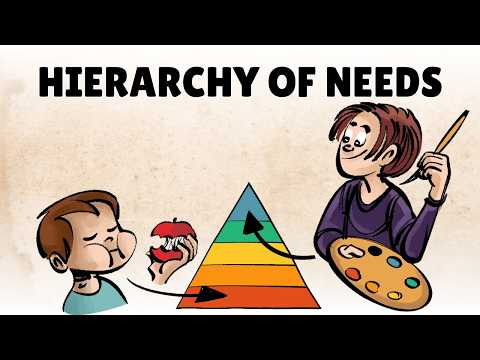
Imagine a pyramid with different layers. Each level represents something we need to feel fulfilled. It’s like a roadmap for motivation, showing us how to climb up to our best selves.
So, if you’ve ever wondered why you do what you do or why some days feel empty, stick around. Maslow might just have the answers you’re looking for!
Understanding Maslow’s Hierarchy of Needs: Free PDF Guide for Mental Health Insights
Maslow’s Hierarchy of Needs is like a roadmap of human motivation, breaking down what we need to feel fulfilled. Picture it as a pyramid with five layers, where you gotta knock out the basics before you can reach the top.
At the base, you’ve got physiological needs. This is all about survival: food, water, sleep, and shelter. Think about it—when you’re starving or exhausted, it’s tough to focus on anything else.
Next up are safety needs. Once you have those basics covered, you crave safety and stability. This includes personal security and health. You know how sometimes just having a stable job or feeling secure at home can lift your spirits? That’s this layer in action.
Then we move to love and belongingness. Humans are social creatures! We need friendships and relationships to feel connected. Have you ever felt lonely even in a crowd? That longing for genuine connection is what this level is all about.
After that comes esteem needs. This level includes self-esteem and recognition from others. You might find that accomplishments boost your confidence or being appreciated at work lifts your mood. That validation feels good!
Finally, we hit the top with self-actualization. It’s all about realizing your full potential and finding purpose in life—whether that’s pursuing a passion or simply becoming the best version of yourself.
Understanding this hierarchy can provide some neat insights into mental health. When someone struggles with anxiety or depression, for example, it could be due to unmet needs lower down on the pyramid. If they aren’t feeling safe at home or lack supportive relationships, how can they focus on bigger goals?
So, if you’re exploring mental wellness or looking into therapy options, these layers can help explain some of your experiences. It’s like pulling thread on a sweater; unraveling one layer might lead you to discover others hiding underneath!
The challenge? It’s not just about recognizing where you’re stuck but also figuring out how to climb higher on that pyramid for better mental health overall. You got this!
Understanding Maslow’s Theory of Human Motivation: A Comprehensive PDF Guide
Maslow’s theory of human motivation is pretty fascinating, and it’s all about what drives us as people. Basically, he created a framework called the **Hierarchy of Needs**, which is like a ladder with five levels. Each level represents different needs that motivate us to take action in life, from survival to self-fulfillment.
First up on that ladder is **physiological needs**. These are the basics—food, water, shelter, and sleep. If you’re hungry or thirsty, you’ll focus all your energy on getting those things before you even think about anything else. For example, imagine you’ve skipped breakfast and lunch—your brain isn’t gonna be thinking about your dreams or goals; it’s just fixated on food.
Once those basic needs are met, we move up to the second level: **safety needs**. This includes feeling secure in your environment—you know, having stable employment, health security, and safe neighborhoods. Think about how unsettling it feels when something threatens your safety; it’s hard to focus on anything else until that sense of security returns.
Next comes **love and belongingness**. This level is all about relationships—friendships, family ties, romantic connections—they help us feel accepted and valued. Have you ever felt totally alone? That emptiness can really hit hard because our need for connection is so fundamental.
After we’ve got love down pat (or at least have some solid friendships), we seek out **esteem needs**: this involves gaining respect from others as well as self-respect. When you get that pat on the back for a job well done or a compliment from someone whose opinion matters to you—it just feels awesome! But if that recognition is missing? It can stifle your motivation big time.
Finally, once you’ve made it through all those levels, there’s **self-actualization** at the top of the pyramid. This represents achieving your full potential—pursuing what makes you tick and fulfilling personal goals. Maybe it’s creating art or starting a business; whatever lights that fire in you! Picture an artist who finally gets to showcase their work after years spent honing their craft—that’s self-actualization in action.
What’s cool is that Maslow believed these needs aren’t rigid; they can shift based on circumstances. If you’re facing job loss (hello safety needs), suddenly you’d care less about touching base with friends and more about securing your finances again.
So what does this mean for mental health? Well, understanding where someone might be struggling in this hierarchy can inform how we support them better—whether it’s providing basic resources or helping them find fulfillment within themselves.
In essence, Maslow’s theory gives us a roadmap for understanding what truly moves people. It reminds us to consider not just where someone might be stuck but how we might help them climb toward a more fulfilled life!
Understanding Maslow’s Hierarchy of Needs: A Pathway to Personal Fulfillment and Mental Well-Being
Maslow’s Hierarchy of Needs is like this fascinating pyramid that maps out what we humans need to feel fulfilled and mentally healthy. It starts with the basics and climbs up, like steps leading to the ultimate sense of self-actualization. Just think about it—if you’re hungry or worried about your safety, it’s hard to focus on anything else, right?
The pyramid is usually broken down into five levels. At the base, we find physiological needs. These are things like food, water, warm shelter, and sleep. If these aren’t met, it’s nearly impossible for you to thrive in any other area of life.
Once those basics are covered, we move up to safety needs. This includes security—having a stable job or safe home environment—both physical and emotional safety matter here. Like when you feel a bit anxious in a new situation or worried about your future; that feeling often stems from unmet safety needs.
Next up are social needs. Humans crave connection with others, whether it’s friendships or romantic relationships. Think of a time when you felt lonely even if everything was going okay otherwise. Those moments hit hard because we all need to feel loved and accepted.
After social connections comes esteem needs. This involves both self-esteem and the esteem from others. If you’ve ever felt proud after accomplishing something or really appreciated by friends or colleagues, that’s what this level is all about. It’s like getting that boost of confidence that helps you take on new challenges.
Finally, at the very top sits self-actualization. This is where you begin to tap into your full potential—pursuing goals that resonate with who you really are. Imagine writing a novel or starting a business; those moments where you’re fully immersed in what you love can manifest as pure joy.
You see? Each level depends on the one beneath it. If you’re struggling with basic needs—like paying rent—the higher levels can seem worlds away. But once those foundational pieces fall into place? You make room for growth and exploration.
It’s important to recognize that everyone experiences this hierarchy differently based on personal circumstances and values. For some folks, self-actualization might mean artistic expression; for others, it’s finding peace through mindfulness or supporting their community.
As for personal fulfillment and mental well-being? They often bloom when our needs are being met at each level of Maslow’s pyramid! So when you’re caught up in an emotional rut—ask yourself: Which level am I struggling with? You might just find your way back on track by addressing where things are off-kilter in this little hierarchy of yours!
Maslow’s Hierarchy of Needs is one of those ideas that just sticks with you, you know? It’s like when you’re trying to understand what makes people tick. This theory lays out our motivations in this neat little pyramid, starting from the basics like food and safety, all the way up to self-actualization, which is about becoming who you really are.
I remember talking to a friend who was feeling pretty lost in life. He had a solid job but wasn’t happy. The thing is, he hadn’t really figured out his passion or what truly fulfilled him. So I brought up Maslow’s pyramid as a way to explain how we often chase things without realizing they might not be what we actually need at that moment.
The bottom layers of the pyramid focus on those basic needs—like air, water, and shelter—stuff no one can ignore for too long. But then it gets interesting: once those are covered, you might crave love and belonging or seek respect from others. It sounds simple, but it totally explains why some folks bounce from relationship to relationship or feel anxious at work. They haven’t gotten that solid foundation yet.
Then there’s self-actualization—this idea of reaching your full potential and really living authentically. I mean, how amazing would it be if everyone could get there? But here’s the kicker: it’s not just about ticking boxes on a list; everyone finds their own way up that pyramid.
Looking back at my friend, he realized he had been chasing success by someone else’s definition instead of his own. He needed to take a step back and figure out what actually made him feel fulfilled. Sometimes it’s in those quiet moments of reflection where we can find clarity about our needs and motivations.
So yeah, Maslow’s framework isn’t some rigid structure; it’s kind of like a guide showing that your journey toward understanding yourself can shift depending on where you’re at in life. And while we’re all unique individuals with diverse experiences, just thinking about these levels can help shed some light on why we feel the way we do sometimes. Isn’t that something?