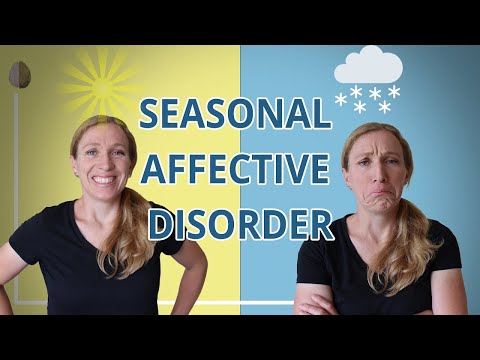
So, you know those days when the sky is just gray and gloomy, and you feel like your energy’s vanished into thin air? Yeah, that’s what we’re talking about here. There’s actually a thing called Seasonal Affective Disorder, or SAD for short.
This blog provides content for informational, educational, and reflective purposes only. The information published here does not constitute medical, psychological, or psychiatric advice, and it does not replace the evaluation, diagnosis, treatment, or individualized guidance of a properly licensed professional. If you believe you may be experiencing a psychological or health-related issue, consult a qualified professional as soon as possible before making important decisions about your well-being. Do not self-medicate or start, stop, or change medications, therapies, or treatments on your own. While we aim to provide useful and accurate information, we do not guarantee that it is complete, current, or suitable for every situation. Your use of this content is at your own risk, and reading it does not create a professional, clinical, or therapeutic relationship with the author or this website.
It’s not just winter blues or feeling a bit off. It can hit hard—like a punch to your mood and motivation. You wake up, and it’s dark outside; you go to bed, and… guess what? Still dark!
And let me tell ya, that can really mess with your head. Some people don’t even realize it’s a legit condition. They think it’s all in their minds or just them being lazy. But it’s way more complicated than that!
Let me share some thoughts on this whole seasonal vibe—what happens, why it matters, and how we can deal with it together. Sound good?
Understanding Seasonal Affective Disorder: Symptoms, Causes, and Effective Treatments
Seasonal Affective Disorder, or SAD, is like that unwelcome visitor who shows up every winter. You know the one? It brings along feelings of sadness and fatigue when the days get shorter and the weather turns gloomy. Understanding how this works can really help you or someone you care about tackle it better.
Symptoms of SAD often creep in as the seasons change, usually in fall or winter. You might notice a dip in your energy levels or even feel more irritable than usual. Some common signs include:
- Feeling down most of the day, nearly every day
- Loss of interest in activities you once enjoyed
- Changes in sleep patterns—either sleeping too much or not enough
- Difficulty concentrating
- Weight changes due to cravings for carbs
It’s like your mood just shifts gears and not for the better.
Now, why does this happen? Well, one big culprit is the lack of sunlight. When daylight decreases, your body might struggle to produce enough serotonin—a key player in regulating mood. Plus, shorter days can mess with your internal clock or circadian rhythm. You might end up feeling more sluggish without even realizing why.
But here’s some good news—there are effective treatments! Seriously, there’s hope if you’re dealing with SAD. Here are a few options that people find helpful:
- Light therapy: This involves sitting near a light box that mimics natural sunlight. A lot of folks say it lifts their mood.
- Cognitive Behavioral Therapy (CBT): This is a form of talk therapy that helps change negative thought patterns and behaviors.
- Medications: Sometimes doctors prescribe antidepressants to help balance things out chemically.
- Lifestyle changes: Regular exercise and spending time outdoors when it’s sunny can also make a huge difference.
You ever had those moments when you finally get out on a sunny day after weeks indoors? It’s like sunshine on your soul!
If you think you might have SAD, don’t hesitate to talk to a health professional. They can help guide you toward what treatment feels right for you.
Effective Seasonal Affective Disorder Treatments: Brighten Your Mood All Year Round
Seasonal Affective Disorder, or SAD for short, can really put a damper on your mood when those gray skies roll in. Basically, it’s like a heavy cloud of blues that hangs over you during the darker months. But don’t worry—you’re not alone, and there are several ways to help lighten that load.
One of the most popular treatments is **light therapy**. This involves sitting near a special light box that mimics natural sunlight. Studies show it can seriously boost your mood by helping regulate your body’s internal clock and increasing the production of serotonin, which is like that happy chemical in your brain. Think about it: have you ever noticed how good you feel on a sunny day? That’s pretty much what this therapy aims to recreate.
Another option is **talk therapy**, especially cognitive-behavioral therapy (CBT). It’s all about changing the way you think about things and can help you develop coping strategies for those seasonal lows. A therapist can work with you to recognize negative thought patterns and replace them with more positive ones. You know, like when you’re stuck in your head thinking winter will never end? CBT helps shift that mindset.
Don’t forget about **exercise**! Regular physical activity is a game changer for mental health, regardless of the season. Whether it’s taking brisk walks outside when there’s a little sunlight or joining an indoor class during colder months, moving your body releases those feel-good endorphins. Plus, being active can give you a sense of accomplishment—like ticking off something from your to-do list.
Nutrition plays a role too—what we eat impacts our mood more than we realize. Foods rich in omega-3 fatty acids, like fish or flaxseeds, can be super helpful in lifting spirits. And don’t skimp on fruits and veggies; they’re packed with vitamins that keep both body and mind functioning well.
And hey, if symptoms feel particularly tough to manage on your own, talking to your doctor could lead to considering medications as part of an overall approach. Sometimes antidepressants are recommended for people with SAD, especially if it’s severe or doesn’t respond well to other treatments.
Finally, connecting with others really matters! Whether it’s spending time with friends or finding online communities where people share similar experiences—having support makes facing this seasonal struggle easier. When I was feeling down during winter once, just chatting with friends lifted my mood way more than I expected.
So look: while Seasonal Affective Disorder might knock on your door every winter looking to drag you down, there are effective treatments out there waiting for you to grab them—ready to help brighten those dark days!
Understanding the Differences: Seasonal Affective Disorder vs. Seasonal Depression
So, you know how some people feel kinda low when winter hits? It’s not just the dreariness outside—there’s this thing called Seasonal Affective Disorder (SAD) and another term, seasonal depression, that gets tossed around a lot. But they aren’t exactly the same. Let’s break it down.
Seasonal Affective Disorder is a specific type of depression. It usually shows up during the colder months when there’s less sunlight. You might feel really down or even hopeless, and it can be tough to get out of bed. And guess what? It’s often linked to changes in your body’s internal clock—this biological rhythm that tells you when to wake up, sleep, and everything in between.
On the flip side, seasonal depression can refer more generally to feeling depressed during certain times of the year but not necessarily meeting all the clinical criteria for SAD. Like, maybe you feel a bit off in fall or spring but don’t hit all the marks for SAD.
Here are some key differences:
Imagine your friend Jake; come winter, he feels so sluggish and withdraws from his friends—classic SAD vibes! Meanwhile, his sister Emma just tends to feel a bit blue toward autumn because school pressures ramp up; that might be seasonal depression.
Speaking of Jake and Emma reminds me: Emotional reactions to weather aren’t universal. Some folks thrive in summer! But for many others—the lack of light really takes its toll.
Treatment can also differ quite a bit:
So what do you think? It’s pretty clear that while there’s overlap between these two experiences regarding mood fluctuations with seasons, they’re not interchangeable phrases. Knowing whether you’re dealing with SAD or just general seasonal blues can help you get the right support when you need it most!
Awareness is key here—if you’re feeling those winter blues harder than usual or if seasonal shifts hit differently each year, it could be worth chatting with someone about it!
So, let’s talk about seasonal weather disorder. You know, it’s that time of year when the days get shorter, the skies turn gray, and suddenly you feel like you’ve got this heavy blanket of gloom just hanging over you. I mean, it can really mess with your head.
I remember this one winter when everything seemed dull and lifeless. I’d wake up in the morning and struggle to find the energy to do anything other than curl up on the couch with a blanket and a cup of hot chocolate. My friends would invite me out, but I kept coming up with excuses. It felt like I was stuck in this pit where even getting dressed took monumental effort.
For a lot of people, this kind of thing is real—it’s called Seasonal Affective Disorder (SAD). It’s more than just feeling bummed out about sweater weather or missing those sunny beach days. It can lead to feelings of hopelessness or fatigue that just won’t shake off. And it sucks.
When you think about it, our moods are super sensitive to light—or lack thereof. In winter months, reduced daylight can throw off your body’s internal clock, making it tough to stick to regular sleep patterns or feel motivated during the day. If you’ve ever felt like you’re on autopilot through those chilly months while everyone else seems so chipper and thriving… well, you’re not alone.
But here’s the thing: understanding what you’re dealing with is half the battle. Connecting with others who feel similarly can be a game changer too—sharing those experiences takes away some of that isolation. Sometimes simple things help; like getting outside during what little sunlight there is or even just splurging on some bright-colored socks when everything feels so gray!
If you’re struggling with SAD or seasonal blues—just know it’s okay to talk about it. Consider talking to someone who gets it or maybe even branching into new activities during winter months—like trying out a painting class or joining an indoor sports league! They say variety’s the spice of life after all.
Just remember: seasons change, even if sometimes they feel like they drag on forever! Those sunny days will roll back around; you just gotta hang in there until they do!