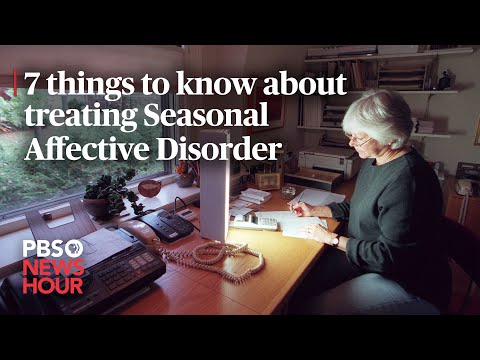
You know, seasonal changes can really mess with your head. Like when the days get shorter and the weather turns dreary, it’s not just about bundling up in a cozy sweater. For some folks, it’s a whole different ball game.
This blog provides content for informational, educational, and reflective purposes only. The information published here does not constitute medical, psychological, or psychiatric advice, and it does not replace the evaluation, diagnosis, treatment, or individualized guidance of a properly licensed professional. If you believe you may be experiencing a psychological or health-related issue, consult a qualified professional as soon as possible before making important decisions about your well-being. Do not self-medicate or start, stop, or change medications, therapies, or treatments on your own. While we aim to provide useful and accurate information, we do not guarantee that it is complete, current, or suitable for every situation. Your use of this content is at your own risk, and reading it does not create a professional, clinical, or therapeutic relationship with the author or this website.
Ever noticed how some people just seem off during winter? Or maybe you’ve felt that way yourself? Well, that’s what we’re chatting about today.
This thing called “seasonal sickness” isn’t just about sniffles or sneezes. It’s that heavy feeling on your chest or a sudden case of the blues when the sun decides to take a holiday. It’s real, and yeah, it can totally shake things up mentally.
So grab a cup of something warm and let’s dive into how those gray skies might be playing tricks with your mind. You ready?
The Impact of Physical Illness on Mental Health: Understanding the Connection
So, look, the connection between physical illness and mental health is pretty significant. When your body isn’t feeling well, your mind can take a hit too. It’s like being stuck in this loop where one affects the other.
When you think about seasonal sickness—like colds or allergies—you might just see sneezes and sniffles. But these symptoms can really mess with your mood. Physical symptoms often lead to emotional struggles. Just picture this: if you’re stuck on the couch with a cold, chances are you feel cranky or down. You know that feeling when you can’t go out and enjoy life? That’s real.
There’s also the whole inflammation thing. Research shows that when you’re sick, your body goes into an inflammatory response. This can impact neurotransmitters—the chemicals in your brain that help regulate mood. So if you’re dealing with sinus pain from allergies or fatigue from flu season, it’s not surprising to feel more anxious or depressed.
You might even notice changes in how you handle stress during those times when you’re physically unwell. Everything feels heavier, right? Tasks seem daunting. This is because the stress response gets triggered more easily when we’re not at our best physically.
Let’s talk about sleep too! It’s hard to get good rest when you’re sniffling all night or dealing with muscle aches. And lack of sleep can wreak havoc on your mental state. You wake up feeling like a zombie, which makes everything tougher—even small things can turn into big mountains to climb!
Here are a couple of key points that sum up the impact:
- Increased fatigue: Feeling run-down leads to less motivation.
- Poorer coping skills: Physical discomfort often makes emotional resilience take a backseat.
- Isolation: Staying indoors due to sickness means less social interaction which can worsen feelings of loneliness.
And let’s not forget how seasonal affective disorder (SAD) comes into play during certain times of year when sunlight is scarce—bummer! During winter months, people who are already susceptible might find their symptoms getting worse because they aren’t getting enough natural light.
Seriously though, if you’ve ever experienced something like a cold dragging on longer than usual and it got into your headspace? You’re definitely not alone! Sometimes just chatting about this connection helps normalize what we feel.
So yeah, understanding how physical illness impacts mental health can be crucial for managing feelings during those tougher times. It reminds us that taking care of our bodies is just as important as looking after our minds.
Understanding Seasonal Affective Disorder: Symptoms, Causes, and Effective Treatments
Seasonal Affective Disorder, or SAD for short, is like an unwelcome guest that shows up when the days get shorter and darker. You might feel more down than usual, or maybe the idea of getting out of bed seems like a Herculean task. Isn’t it strange how a little less sunlight can mess with your mood?
Symptoms of SAD can really vary from person to person. Some common ones include:
- Feeling unusually sad or hopeless.
- Loss of interest in activities you usually enjoy.
- Trouble concentrating or making decisions.
- Fatigue and low energy levels.
- Changes in sleep patterns—either sleeping way too much or not enough.
- Weight gain, often due to cravings for carbs.
If you’ve ever felt super bummed during winter but magically perked up come springtime, you might be experiencing SAD. It’s not just “the winter blues”; it can be pretty serious. I remember my friend Sarah went through this—she used to love hiking but just couldn’t find the motivation to venture outside when winter hit. Watching her struggle was tough because I knew how much she loved being in nature.
The main culprit behind SAD seems to be the lack of sunlight during those gloomy months. Less sunlight means less vitamin D and disrupted production of serotonin—a fancy term for that feel-good brain chemical we all love. This shift in light can really throw a wrench in your internal clock, messing up everything from your mood to your sleep patterns.
You might be wondering about effective treatments. There are actually several options out there that help people manage their symptoms:
- Light therapy: This involves sitting near a special light box that mimics natural sunlight. You’d be surprised how powerful this can be!
- Therapy: Talk therapy, especially cognitive-behavioral therapy (CBT), can help change negative thinking patterns and cope with feelings better.
- Medication: In some cases, antidepressants may be prescribed to help balance those pesky chemicals in your brain.
If light therapy sounds intriguing, it’s pretty straightforward! You’ll usually sit in front of it for about 20-30 minutes each day. And honestly? Many people rave about how much it improves their mood!
If you think you might have SAD, a chat with a mental health professional could really make a difference. They’ll help guide you towards what treatment fits best for you—because not every solution works for everyone, right?
The thing is, while sadness during winter can feel isolating—like you’re stuck under a cloud—it’s way more common than you think. It’s okay to seek help; taking care of your mental health is super important! So if you’re feeling off this season, remember: brighter days are ahead!
Understanding Seasonal Affective Disorder: Key Symptoms and Coping Strategies
Seasonal Affective Disorder, or SAD, is a type of depression that pops up during specific seasons. For most people, it tends to kick in during the fall and winter months when daylight is at a minimum. But you might be surprised—some folks feel it in the spring and summer too. It can mess with your mood, energy, and overall vibe, leaving you feeling pretty low.
One of the major symptoms of SAD is a feeling of persistent sadness. It’s like having a gray cloud following you around all day long. You know those days when you just can’t shake off that feeling? That’s what SAD can feel like.
Another common sign is losing interest in activities that usually bring you joy. Like maybe you used to love painting or hanging out with friends, but now it feels like way too much effort to even get out of bed. You find yourself just wanting to hibernate instead.
You might also experience changes in your sleep pattern. Some folks sleep more than usual—like hitting that snooze button every morning—while others might struggle to catch any z’s at all. And then there’s the change in appetite—either craving carbs and sweets or losing your appetite completely.
Oh, and let’s not forget about irritability and trouble concentrating. It’s frustrating! You try to focus on work or school but everything feels foggy. This combination can really take a toll on your motivation levels.
Coping with SAD isn’t impossible though! Here are some strategies that could help make things feel a little easier:
- Light Therapy: This is one of the most common treatments for SAD. It involves using a special light box that mimics natural sunlight. Just sitting near it for about 20-30 minutes daily can make quite a difference.
- Stay Active: I get it; when you’re down, exercise seems like the last thing you want to do. But physical activity releases endorphins which help improve mood.
- Sooner Than Later: Don’t wait for those feelings to get worse before reaching out for help from friends, family, or professionals.
- Nourish Yourself: Eating healthy foods can boost energy levels too! Try incorporating more fruits and veggies into your meals.
- Get Outside: Even if it’s cold, stepping outside during daylight hours helps soak up what little sun there is!
Sometimes just sharing how you feel with someone who gets it can lighten that load too. Remember that it’s okay not to be okay sometimes—you’re not alone in this struggle! If things feel really tough or start affecting daily life significantly, don’t hesitate to talk with a mental health professional for more tailored support.
And hey, as gloomy as this all sounds, brighter days really are around the corner! Understanding what you’re dealing with is half the battle won. Stay hopeful—you got this!
You know how the seasons change and suddenly, everyone around you starts sneezing? It’s like clockwork. Seasonal allergies can hit hard, bringing stuffy noses, itchy eyes, and fatigue that just drags you down. But here’s the thing: it’s not just your physical health that takes a hit. Your mental health can also feel the effects.
For example, I remember this one autumn when I was really looking forward to all those cozy vibes—crisp leaves, pumpkin spice everything. But then my allergies kicked in like a bad ex showing up uninvited. I was constantly tired and irritable. It was hard to enjoy the season when my head felt all foggy and I couldn’t even breathe through my nose!
So what happens is the physical symptoms often snowball into feelings of sadness or anxiety. If you’re feeling crummy because your body is putting up a fight against allergens, it’s only natural that those feelings seep into your mood. The fatigue and discomfort can make you less motivated to do things you love – like going for a walk outside or meeting up with friends.
And if that’s not enough, seasonal changes can mess with our routines too. During winter, for instance, shorter days mean less sunlight, which can lead to Seasonal Affective Disorder (SAD). You might find yourself feeling more down than usual as those gloomy skies roll in. It’s no surprise—less sunlight means lower levels of serotonin in our brains, which is that happy chemical we all need every now and then.
So yeah, when you’re dealing with seasonal sickness symptoms, it’s not just about sneezing or dealing with itchy eyes; it’s also about how all of that affects your mood and mental well-being. It makes connecting with others harder too because who wants to hang out when they feel miserable?
Taking care of yourself during these times is key. You might want to look into some strategies for managing both your allergies and your mental health—like talking to someone about how you’re feeling or trying out some relaxation techniques. Just remember: it’s totally okay to feel off during these shifts in seasons. You’re definitely not alone in this wild ride!