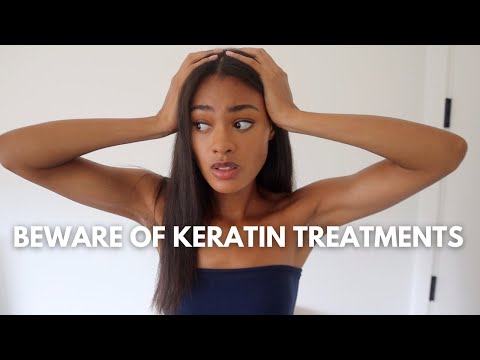
Hey! So, let’s chat about something that might seem super random but is actually kind of interesting—keratin treatments. You know, those salon magic spells that promise smooth, shiny hair?
This blog provides content for informational, educational, and reflective purposes only. The information published here does not constitute medical, psychological, or psychiatric advice, and it does not replace the evaluation, diagnosis, treatment, or individualized guidance of a properly licensed professional. If you believe you may be experiencing a psychological or health-related issue, consult a qualified professional as soon as possible before making important decisions about your well-being. Do not self-medicate or start, stop, or change medications, therapies, or treatments on your own. While we aim to provide useful and accurate information, we do not guarantee that it is complete, current, or suitable for every situation. Your use of this content is at your own risk, and reading it does not create a professional, clinical, or therapeutic relationship with the author or this website.
Well, it turns out they might do more than just tame frizz. Seriously! There’s this whole connection between your hair and your mood that you probably haven’t thought about.
Imagine walking out of a salon with your hair looking fabulous. Doesn’t it just feel like you could conquer the world? Like, you get a little pep in your step, right?
Let’s dig into how those silky strands can actually boost your spirits and maybe even shake up your mental vibe. Sound good?
Exploring the Connection: Can Creatine Supplementation Improve Your Mood?
Alright, so let’s chat about creatine and its possible effects on mood—kind of a surprising combo, but stick with me. You know creatine, right? It’s often associated with muscle building and athletic performance. But lately, there’s been some buzz around it potentially boosting mood too.
First off, it’s important to understand that creatine is just a natural substance found in your body. It helps supply energy to your cells, especially those in your muscles and brain. When you take it as a supplement, you’re basically giving your body more of what it already makes. And this leads us to the mood connection.
Research shows that creatine doesn’t just pump up your workouts; it might also play a role in mental health. Like, some studies suggest that people with depression who took creatine had improvements in their symptoms compared to those who didn’t. Imagine feeling more energetic and less bogged down just because of a little extra help from a supplement!
But why would that happen? Well, one theory is that creatine can improve energy metabolism in the brain. When your brain has more energy available, it might work better and help regulate mood. This can be particularly beneficial for folks dealing with depression or anxiety.
Here are a few key points worth noting:
Now, let’s talk about something like keratin treatments for hair which became all the rage for taming locks—it sounds unrelated but hear me out! Some people claim these treatments change not just how they look but how they feel about themselves too. Similar vibes here: when you feel good about one part of yourself—like your hair or muscle strength—it can spill over into other areas like mood.
So yeah, while the connection between creatine supplementation and improved mood is still being researched—and don’t forget it’s not a magic pill for everyone—the potential is definitely something worth keeping an eye on.
If you’ve ever felt low energy or sluggish—like dragging yourself through the day—you know it can affect everything from motivation to relationships. Who wouldn’t want an extra boost? Just remember before jumping into supplements or any changes in your routine: it’s always smart to chat with a healthcare professional.
In short, though we often think of **creatine** purely for physical gains; there’s growing interest in how it might elevate our spirits too!
Exploring the Antidepressant Effects of Creatine: Can It Boost Your Mental Health?
So, let’s talk about creatine. You might think it’s just something for bodybuilders, right? But here’s the thing: recent research suggests it may have some positive effects on mental health too. Seriously! There’s growing interest in how this supplement might help with depression and overall mood.
Creatine is basically a compound that your body naturally makes. It helps supply energy to your muscles during intense activities, like lifting weights or sprinting. Now, scientists are looking into whether it can also give our brains a little boost—like an energy drink for your thoughts!
Some studies have hinted at the idea that creatine could help people deal with depression. For instance, a few small trials showed that folks with major depressive disorder who took creatine alongside their usual treatment reported feeling better. Imagine feeling lighter, more energized—you know what I mean? That sense of relief can make a big difference.
One interesting point is that creatine seems to work best when combined with other treatments like antidepressants or therapy. That said, it isn’t exactly a magic pill or anything! People respond differently to supplements; some might notice improvement while others may not feel much change at all.
Here’s something to consider: It looks like creatine may help regulate certain neurotransmitters in our brains—those little messengers that affect mood and emotion. By influencing these chemicals, it might provide an extra layer of support against depression.
Now let’s touch on safety. Most research suggests that taking creatine is generally safe for most people when used as directed. It’s been around forever—athletes have been using it for years without major issues. But you know how it goes: talking to a healthcare provider before starting any new supplement is always a good move.
Finally, while exploring the potential benefits of creatine for mental health is exciting, we’re still in the early stages of understanding its full effects on conditions like depression. More research is needed to solidify these findings and understand exactly how it works in our bodies.
So yeah, if you’re curious about ways to support your mental health beyond traditional therapies or medications, discussing supplements like creatine with your doctor could be worth considering. It could be another tool in your toolbox—a little spark in your quest for better mental well-being!
Unlocking Clarity: How Creatine May Combat Brain Fog and Boost Cognitive Function
It’s pretty interesting how our brains work and what we can do to support them, isn’t it? So, let’s break down the link between creatine and those pesky feelings of brain fog. You know, that sluggish feeling when you just can’t focus?
Creatine isn’t just for gym buffs anymore. It’s a compound that your body naturally produces, and it’s primarily known for its role in energy production, especially in muscles. But research has shown it might also have some effects on cognitive function. When you think about it, your brain needs energy too. It uses a ton of ATP (adenosine triphosphate) to function properly. Creatine helps replenish those energy stores, which might actually help with clarity of thought.
Now about that brain fog. This term often describes feelings of confusion or lack of mental clarity. It can be caused by many factors—overwhelm, stress, sleep deprivation—you name it! Some studies suggest that taking creatine could help lift this fog by improving brain energy metabolism. After all, if your brain has the fuel it needs, it’s likely to work better.
Let’s take a closer look at how creatine is believed to impact mood as well. Although we don’t think of it often in relation to emotions or mood swings, there’s evidence showing that people who experience low energy often report feeling down or anxious too. By potentially improving cognitive function and reducing fatigue, creatine might help lift someone’s mood as well.
For instance, think about someone who’s been burning the candle at both ends—super busy with work or school—and they start feeling that weight on their mind: forgetfulness and trouble concentrating can really creep in. In such cases, taking creatine may provide a small boost—not like a miracle drug—but just enough to help feel more ‘together.’
That said though—it’s not all sunshine and rainbows! Not everyone reacts the same way to supplements like creatine. Some people might experience mild side effects like stomach upset or cramping if they take too much too fast. So it’s always smart to chat with a healthcare provider before jumping onto any new supplement routine.
In summary:
- Creatine supports energy production in both muscles and the brain.
- This can potentially reduce brain fog, helping you focus better.
- A boost in cognitive function may also lead to improved emotional states.
So while we’re still figuring out all the nuances around this topic, using creatine might be worth considering if you’re struggling with clarity or mood issues—just remember to keep an open conversation with your doctor about what’s best for you!
You know, it’s funny how something as simple as a hair treatment can really shake up your whole mood. I mean, think about it. You sit in that salon chair for hours, and when you finally catch a glimpse of yourself in the mirror with those sleek, shiny locks, it feels like an instant mood boost. Seriously! It’s like you’ve transformed into a whole new person.
I remember this one time—my friend Sarah had been feeling pretty down. It was one of those weeks where everything seemed to pile on: work stress, relationship drama, and honestly, just the usual chaos of life. She decided to try keratin treatment on a whim. We laughed about how she’d spend half her day at the salon while the rest of us were stuck in our routines.
But when she walked out after that appointment? Wow. The change wasn’t just physical; you could literally see her confidence skyrocket. She was tossing her hair around like she was in a shampoo commercial! It was infectious; I mean, we all felt lighter and happier just being around her that day.
What’s wild is that these treatments aren’t just about looking good—they can actually lighten your emotional load too. When your hair looks great, you’re more likely to feel great about yourself. Science backs this up too! There’s something about self-care rituals—like pampering yourself—that can lead to better mental health outcomes. And it’s not only because you look beautiful; it’s also about feeling valued and taking time for yourself.
Of course, it’s not a miracle cure for deeper issues or anything like that—sometimes life stuff is way heavier than smooth hair! But every little bit helps when you’re trying to navigate moods and emotions in everyday life. So hey, if a little keratin can bring some joy into your day? Why not? Just makes those bad hair days seem way less daunting!