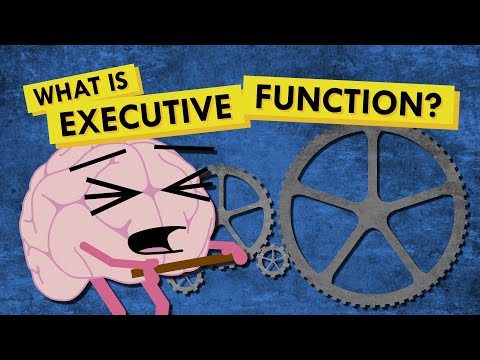
So, you know how some days feel like you’re juggling a million things while trying to keep your head above water? Seriously, it can be tough. That’s where this thing called executive functioning comes into play.
This blog provides content for informational, educational, and reflective purposes only. The information published here does not constitute medical, psychological, or psychiatric advice, and it does not replace the evaluation, diagnosis, treatment, or individualized guidance of a properly licensed professional. If you believe you may be experiencing a psychological or health-related issue, consult a qualified professional as soon as possible before making important decisions about your well-being. Do not self-medicate or start, stop, or change medications, therapies, or treatments on your own. While we aim to provide useful and accurate information, we do not guarantee that it is complete, current, or suitable for every situation. Your use of this content is at your own risk, and reading it does not create a professional, clinical, or therapeutic relationship with the author or this website.
Basically, it’s like the brain’s control center. Think of it as managing your mental resources. It helps you plan, focus, and get stuff done. But hey, not everyone gets how this works or why it matters.
Ever felt super overwhelmed by tasks or making decisions? That’s those executive skills acting up. Let’s break it down and see what really goes on up there in that noggin of yours. Trust me; it might just click!
Understanding Executive Functions: A Simple Guide to Psychology Explained
Executive functions are like the brain’s air traffic controllers. They help us manage our thoughts, actions, and emotions to achieve goals. You know when you’re trying to remember a grocery list while driving? That’s your executive function kicking in—keeping everything organized in your mind.
Basically, executive functions include a few key skills. Here’s a quick rundown:
- Working Memory: This is like your mental sticky note. It helps you hold onto information temporarily, like remembering a friend’s address while you’re on the phone.
- Cognitive Flexibility: Ever tried to change plans last minute? This skill allows you to switch gears and adapt when things don’t go as planned.
- Inhibition Control: Imagine you’re at a party and really want another slice of cake, but you hold off because you’re trying to eat healthier. That’s inhibition control at work.
But how does all this play out in real life? Let’s say, for example, you have a big project due at work or school. You need to break it down into smaller tasks—like researching topics, writing notes, and creating an outline. This whole process involves working memory (to keep track of what needs doing), cognitive flexibility (to adjust if new info comes up), and inhibition control (to focus instead of scrolling through social media).
People often don’t realize how these functions interact with each other. If one is weak—say, inhibition control—you might struggle with distractions or impulse decisions. You could be sitting there trying to concentrate on your essay but suddenly find yourself online shopping. It happens!
So why should we care about executive functions? Well, they play a huge role in daily life—from school performance and workplace productivity to managing personal relationships. If someone has difficulty with these skills—like kids with ADHD or adults dealing with stress—it can really impact their lives.
Think of it this way: improving executive function skills can enhance **self-regulation** and even boost **emotional resilience**. It’s all connected! Like when you’re learning to ride a bike; if you can’t balance well (which is kind of like those executive functions), it can really throw off the whole experience.
In short, understanding executive functions can help us figure out why we do what we do or why some days feel like we’re stuck in mud—while others feel like we’re flying high! It’s all about finding ways to strengthen these skills so that we navigate life just a bit smoother.
Understanding the Impact of PTSD on Executive Functioning: Insights for Recovery
Hey! Let’s chat about PTSD and how it messes with something called executive functioning. You might have heard that term floating around, but if not, don’t worry. Basically, executive functioning is like the brain’s manager. It helps you plan, make decisions, stay organized, and control impulses. So when PTSD steps in, it can throw a wrench into all that.
PTSD stands for Post-Traumatic Stress Disorder. It usually pops up after someone experiences or witnesses a traumatic event. Think of things like military combat, serious accidents, or even personal assaults. The thing is, PTSD doesn’t just come with flashbacks and nightmares; it can really mess with your daily life too.
If you’re dealing with PTSD, you might notice your ability to focus is taking a hit. Executive functions, like attention and working memory? They can go on vacation without warning! Imagine you’re trying to get work done but your mind keeps drifting back to that scary event—super frustrating, right?
Here are some key ways that PTSD impacts executive functioning:
- Poor concentration: You know that feeling when you’re trying to read but the words just blur together? That’s what many people with PTSD experience.
- Difficulties with planning: Tasks that used to seem easy now feel overwhelming. Organizing your day can feel like climbing a mountain.
- Impulsivity: Sometimes people may act without thinking. Maybe it’s reacting harshly in conversation or making hasty decisions.
- Memory issues: Short-term memory gets affected too. Remembering where you put your car keys or what you were just talking about? That can be tricky!
- Trouble staying organized: Whether it’s physical clutter at home or mental clutter in your head, getting things sorted out feels tough.
If any of this sounds familiar, you’re not alone! A lot of folks deal with these challenges after trauma. Recovery often involves tools and strategies to regain those executive functions.
You might consider therapy options like cognitive-behavioral therapy (CBT). This approach helps change negative thought patterns into healthier ones—it’s pretty much retraining your brain! Also, mindfulness practices can help ground you in the present moment instead of letting your mind wander off into past traumas.
The journey towards recovery can feel long and winding sometimes; but understanding how PTSD affects executive functioning is a fantastic first step on the path back to feeling more like yourself again.
Your brain deserves some TLC too! Taking care of yourself—physically and mentally—is key in this recovery process.
Understanding Executive Functioning in Psychology: A Simple Definition and Practical Examples
Executive functioning is, like, a super important part of how we think, plan, and execute tasks. Basically, it’s like the brain’s manager, helping you juggle different activities and keep everything on track. It’s what allows you to set your goals and stick to them while also adjusting when things don’t go as planned.
So, what’s included in executive functioning? Well, a few key components make it all tick:
- Working memory: This is like your brain’s notebook. It helps you hold onto information while using it. For instance, when you’re cooking and trying to remember a recipe without looking at it.
- Inhibitory control: This helps you resist distractions or impulses. Imagine you’re at a party and really want to scroll through your phone instead of chatting with friends. That’s inhibitory control kicking in.
- Cognitive flexibility: This one’s about adapting to new information or changing plans on the fly. Picture yourself planning a road trip but deciding to take a scenic detour because of bad weather.
Now, let’s get into some real-life examples. Maybe you’ve experienced days where getting started feels impossible—like when you’re staring at that pile of laundry but just don’t have the energy or direction to tackle it. That might be an issue with executive functioning.
Consider this: You’ve got an assignment due next week. You know there’s plenty of time, but somehow you keep putting it off until the last minute. When that panic sets in and you’re racing against the clock? Yeah, that’s often tied back to how well your executive functions are working—or not working.
Kids often get talked about in the context of executive functioning because many struggle with it as they grow up. Maybe they can’t seem to start their homework after school or forget their lunch bag every day—it’s all connected here! But adults deal with those challenges too—forgetting appointments or struggling with procrastination can often point back to those same executive function skills being out of whack.
You know what else? Executive dysfunction doesn’t just pop up on its own; conditions like ADHD or anxiety can throw a wrench in the works too. When that happens, even simple tasks can feel monumental.
So yeah, understanding executive functioning is crucial because it shapes how we manage daily life—from work projects to personal goals. Recognizing these challenges means we can find ways to tackle them head-on and work towards better emotional well-being!
Alright, so let’s chat a bit about this thing called executive functioning. It might sound super fancy or like something out of a psychology textbook, but it’s really just a way to understand how we think and do stuff. Picture it like the boss of your brain, the one who makes sure everything’s running smoothly.
Executive functioning is all about those mental processes that help you plan, focus, remember things, and control impulses. You know when you’re sitting at your desk, trying to get work done but your phone keeps buzzing? It takes some serious executive functioning to resist the urge to check every notification that pops up. You’re juggling tasks, managing time—basically coordinating everything in your life!
I remember a friend of mine who struggled with this for a while. He always seemed disorganized and would forget important deadlines. It wasn’t because he didn’t care; it was more like his brain had too many tabs open at once. Once he started working on improving his executive functioning skills—like making lists and setting reminders—he felt so much more in control!
So yeah, executive functioning involves planning what’s next, keeping distractions at bay, and even remembering where you put your keys. It affects pretty much every aspect of life—from schoolwork to just running day-to-day errands. When it’s working well, you probably don’t even notice it’s there because things just flow.
But when there are hiccups in those processes? Well, that can lead to issues like procrastination or trouble focusing on tasks. And that’s where understanding this concept becomes super helpful—it helps us figure out why we might be struggling and what we can do about it.
Basically, think of executive functioning as the mental skills that allow you to be organized and efficient in life. Who knew being the boss could actually be such a big deal?