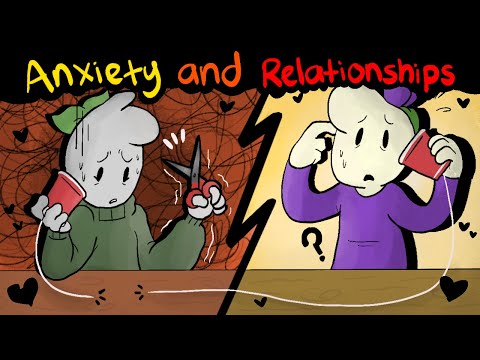
You know that feeling when your mind just won’t shut up? Like, your thoughts are racing and you’re stuck in this loop? Ugh, it’s the worst.
This blog provides content for informational, educational, and reflective purposes only. The information published here does not constitute medical, psychological, or psychiatric advice, and it does not replace the evaluation, diagnosis, treatment, or individualized guidance of a properly licensed professional. If you believe you may be experiencing a psychological or health-related issue, consult a qualified professional as soon as possible before making important decisions about your well-being. Do not self-medicate or start, stop, or change medications, therapies, or treatments on your own. While we aim to provide useful and accurate information, we do not guarantee that it is complete, current, or suitable for every situation. Your use of this content is at your own risk, and reading it does not create a professional, clinical, or therapeutic relationship with the author or this website.
And it can be even tougher in relationships. You might find yourself second-guessing everything your partner says or does. Like, “Did I say something dumb?” or “Do they really like me?”
Seriously, it can feel overwhelming sometimes. It’s like anxiety just swoops in and crashes the party.
But here’s the kicker: You’re not alone in this. Lots of us get caught in those spirals of overthinking. And honestly, there are ways to manage it—ways that don’t involve endless nights of Googling symptoms or worrying non-stop.
So let’s chat about this! We’ll look at some real stuff you can do to ease that tension and help you enjoy your relationship more. Sound good?
Overcoming Overthinking in Relationships: Practical Tips to Find Peace of Mind
Overthinking in relationships can be a real buzzkill, right? You know that feeling when your mind just won’t shut up? You’re going over every text message, replaying conversations in your head, and worrying if you’re saying or doing the right things. That’s anxiety at work, and it can really put a damper on your connection with someone you care about.
First off, let’s talk about what **overthinking** really is. It’s like having a relentless hamster on a wheel in your brain. You keep spinning those thoughts around, analyzing every little detail until you’re exhausted. It’s not going to help you feel more secure or loved in your relationship.
To find some peace of mind, try these ideas:
- Practice Mindfulness: Focusing on the present can help quiet that noisy brain. Try breathing exercises or meditation. Just taking a few deep breaths can ground you and pull you back into the moment.
- Set Aside Worry Time: Sounds strange? Well, giving yourself permission to worry for just 10-15 minutes each day can help contain those anxious thoughts. Write them down if it helps.
- Tackle “What-If” Scenarios: When your mind starts racing with worst-case scenarios, ask yourself: “Is this likely to happen?” Challenge those thoughts! More often than not, they’re just smoke and mirrors.
- Communicate Openly: Sometimes all it takes is an honest chat with your partner to clear things up. If something’s bothering you, speak up! They might not even realize you’re feeling that way.
- Limit Social Media: It’s easy to get sucked into comparing yourselves to other couples online. Remember, what you see isn’t always the whole story.
So let’s say you’ve been tossing and turning about whether your partner actually likes spending time with you or if they’re just putting up with it. Instead of spiraling into worry, maybe bring it up casually over coffee: “Hey, I’ve been feeling like I’m annoying sometimes… Am I?” It opens the door for honest feedback without pressure.
Another great approach is journaling—yeah I know it sounds cliché but hear me out! Writing down your feelings can help untangle those complicated thoughts swirling around in there. When they’re on paper instead of stuck in your head, they look less daunting.
Lastly, remember self-love is key here too! When you’ve got that solid foundation of self-acceptance and worthiness, you’ll find you’re less likely to overthink things. You’ll be able to recognize that love doesn’t come with conditions; it thrives when you’re confident in who you are.
Overcoming overthinking isn’t gonna happen overnight—it takes practice and patience! But by using these strategies little by little, you’ll find yourself enjoying relationships way more without all that unnecessary mental clutter hanging around. You’ve got this!
Mastering Apologies: How to Mend Your Relationship After Overthinking
Managing relationships can be tricky, especially when anxiety and overthinking creep in. You might find yourself replaying conversations in your head or worrying about every little thing you said. And then, bam! You realize you’ve messed up and now need to apologize. But how do you genuinely mend things after overthinking?
First off, a good apology is more than just saying «I’m sorry.» It’s about recognizing what you’ve done wrong and acknowledging how it affected the other person. So, if you’ve been spiraling with thoughts like “What did I say? Did I upset them?” it’s time to take a step back.
Once you’ve calmed down a bit, really think about what happened. Maybe you snapped at your partner during a stressful moment. But instead of just fretting over it, focus on why it hurt them. Put yourself in their shoes for a moment. This kind of empathy can help shape your apology into something heartfelt.
When you’re ready to apologize, make sure to communicate clearly. Avoid vague phrases like “I’m sorry if you felt bad.” Instead, try something like, “I’m really sorry for snapping at you yesterday; I was overwhelmed and took it out on you.” This specific acknowledgment shows that you understand the impact of your actions.
Another thing is timing. Choose the right moment to talk. If they need space after an argument or misunderstanding, don’t push them right away. Wait until things have cooled down a bit before reaching out.
Now, here’s where overthinking can trip us up again: What if they don’t accept the apology? It’s tough, but that doesn’t mean your feelings are invalid or that your effort was wasted. Sometimes people need more time to process things than we anticipate.
And while we’re talking about managing anxiety in relationships, don’t forget about self-compassion. Be kind to yourself through this process! Overthinking often leads us down a dark path where we beat ourselves up for making mistakes. Everyone messes up; it’s natural.
Sometimes it helps to talk things out with someone else first—like a friend or even a therapist—who can give perspective and help ease your worries before approaching the person you’ve wronged.
Finally, remember that actions speak louder than words. After apologizing, show through your behavior that you’re committed to doing better moving forward. Consistency can rebuild trust and mend those fragile connections.
So in short: when anxiety and overthinking create issues in relationships, focus on clear communication with genuine apologies rooted in empathy and understanding. Give space when needed; practice self-compassion; and let your actions reflect change moving forward.
Relationships are all about connection! And working through these bumps together can actually bring you closer than ever before.
Conquering Overthinking: Effective Strategies to Stop Worrying About Your Loved Ones
Overthinking can really drive you bananas, especially when it comes to your loved ones. You care so much about them that you start to spiral into worries about their well-being or the state of your relationship. It’s like that hamster wheel in your mind just keeps spinning, right? But don’t worry, you’re not alone in this! There are ways to conquer those anxious thoughts and feel a bit more at ease.
First off, understanding why you overthink is super important. Often, it stems from a desire for control or fear of losing someone. You might think if you worry enough, you’ll prevent something bad from happening. But guess what? That’s not how it works! Overthinking doesn’t protect anyone; it just makes you feel more anxious.
Another thing to try is mindfulness. This means focusing on the present moment instead of getting lost in «what-ifs.» When thoughts about your loved ones pop up like unwanted ads, take a deep breath and ask yourself: “Is this worry based on facts or assumptions?” Practicing mindfulness can help ground you when you’re feeling overwhelmed.
You might also want to set limits on worrying. Give yourself a specific time each day—like 15 minutes—to ponder anything that’s bugging you about your loved ones. Once that time is up, redirect your attention. Go for a walk, read a book, or even tackle that laundry pile staring at you. It’s okay to acknowledge your worries but make sure they don’t consume your whole day.
Oh! And talk about it! Seriously, communication is key here. Sharing what’s on your mind with someone you trust can provide relief and perspective. It might sound silly, but when I chat with my best friend about my worries regarding my partner’s work stress, I often realize I’m just blowing things out of proportion.
You could also try practicing gratitude. Instead of focusing on potential problems with loved ones, think about what makes them special and why they’re in your life. Keeping a gratitude journal might sound cheesy at first but writing down even one good thing each day can shift how you view everything.
Just remember that no one can predict the future—or control everything around them—which means worrying excessively rarely helps anyone in the long run!
Lastly, if those worries start messing with your daily life or mental health too much, it’s totally okay to seek support from a mental health professional. They can help you unravel those tangled thoughts and find healthier coping strategies.
To wrap things up: Conquering overthinking takes practice and patience but it’s doable! Focus on staying present; set limits for when you’ll allow yourself to worry; reach out and connect with others; keep an eye on what you’re grateful for; and don’t hesitate to seek help if needed.
You’re navigating this together with people who understand because hey—life’s too short to stay stuck in that hamster wheel!
You know, relationships can be a real emotional rollercoaster. One minute, you’re floating on cloud nine, and the next, anxiety kicks in like it’s got a personal vendetta. Ever found yourself replaying every single conversation you’ve had with your partner? I totally get it.
There was this time I was dating someone new, and my mind just went into overdrive. I’d analyze every text message like I was deciphering ancient hieroglyphs. Was that emoji too casual? Did they really mean what they said? It felt exhausting—like trying to solve a puzzle with missing pieces.
Managing anxiety in relationships is tricky because you want to connect with your partner but also worry about losing them or saying the wrong thing. You start overthinking what every little action might mean, which can create this weird distance between you two. It’s almost as if that inner critic starts whispering all these doubts and fears right in your ear.
But here’s the thing: communication is vital! Sharing those worries (without diving into panic land) can help clear the air and let your partner know what’s going on in your head. When I finally opened up about my anxieties back then, it was like lifting a huge weight off my chest. My partner actually appreciated my honesty and even shared some of their own insecurities too.
Practicing mindfulness also helps a ton. Sounds fancy, but it just means being present in the moment instead of spiraling into «what if» scenarios that live rent-free in your mind. Like focusing on how their smile makes you feel rather than worrying if they’re into you or not is kind of like flipping the script.
But let’s be real; no one is perfect at managing anxiety 24/7—sometimes feelings come flooding back when you least expect them to! What matters most is how we deal with those moments when they hit us hard. Learning to recognize when overthinking kicks in is key because then you can take a step back and remind yourself of the love that brought you together in the first place.
At the end of the day, relationships thrive on trust, vulnerability, and open communication—even when our anxious brains try to mess with that connection. You’re not alone; we all have those moments where our minds run wild! Just remember: It’s okay to feel all of this while navigating love—just keep working through it together!