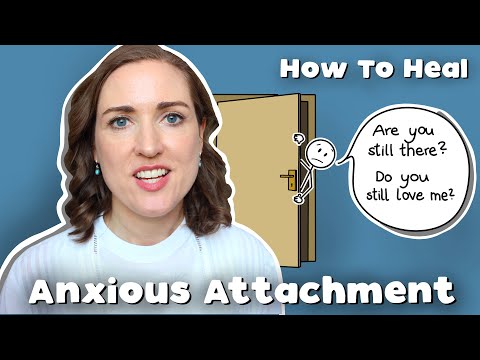
So, let’s chat about something that’s kinda tricky—anxious attachment style. You know, that feeling where you’re constantly worried about your partner’s love and commitment? Yeah, it can be a real rollercoaster.
This blog provides content for informational, educational, and reflective purposes only. The information published here does not constitute medical, psychological, or psychiatric advice, and it does not replace the evaluation, diagnosis, treatment, or individualized guidance of a properly licensed professional. If you believe you may be experiencing a psychological or health-related issue, consult a qualified professional as soon as possible before making important decisions about your well-being. Do not self-medicate or start, stop, or change medications, therapies, or treatments on your own. While we aim to provide useful and accurate information, we do not guarantee that it is complete, current, or suitable for every situation. Your use of this content is at your own risk, and reading it does not create a professional, clinical, or therapeutic relationship with the author or this website.
I mean, we’ve all been there at some point, right? You text them and then sit there biting your nails, waiting for a reply. Or maybe you find yourself overthinking every little thing they do. It’s exhausting!
What makes it even more complicated is how it shapes our relationships. Sometimes it feels like you’re walking on eggshells or trying to calm a storm inside your head.
If that sounds like you, don’t worry! You’re definitely not alone in this. Let’s break it down together. We’ll look at what this attachment style means and how to navigate those choppy waters so you can feel more secure and connected in your relationship. Sound good?
Transforming Anxious Attachment: Strategies for Healing Within Your Relationship
Anxious attachment can feel like a roller coaster, right? You might find yourself worrying constantly about your partner’s feelings or fearing they’ll leave. It’s tough and can create a lot of stress in relationships. So, if you’re looking to transform this anxious attachment into something healthier, there are some strategies that can help.
One major part of tackling anxious attachment is **self-awareness**. Recognizing your patterns and triggers is huge. Maybe you notice you get super clingy when your partner is busy or not texting back as quickly as you’d like. Just being aware of these feelings can give you a clearer picture.
Open communication with your partner is like, essential. Sharing how you feel helps both of you navigate the anxious moments together. For example, if you’re feeling insecure, tell them! Instead of bottling it up and letting it fester, just say something like “Hey, I’m feeling a bit anxious today.” You’d be surprised at how open conversations can ease anxiety.
Practice reassurance. Sometimes, we need to hear things more than once. Establishing a routine where you both check in on each other regularly builds that trust. Think about little phrases that make you feel more secure: “I’m here for you” or “I love spending time with you.” Hearing these words consistently can really soothe those anxious thoughts.
Another thing that might help is developing **coping strategies** for those moments of high anxiety. When insecurities strike, switch gears—try deep breathing or grounding techniques to calm your nerves. It could be as simple as taking a few slow breaths or counting objects around the room while focusing on the present moment.
Creating boundaries is also key in transforming this attachment style. It’s okay to set limits around certain behaviors that trigger your anxiety. Let’s say texting constantly feels overwhelming; communicate that with your partner honestly so they understand where you’re coming from.
Lastly, don’t forget about seeking professional support if things feel overwhelming sometimes. Therapy can open up new avenues for understanding yourself and working through attachments deeply rooted in past experiences.
Transforming an anxious attachment style takes time and patience—so go easy on yourself! Every step forward counts, no matter how small it seems at first.
- Self-awareness
- Open communication
- Practice reassurance
- Coping strategies
- Setting boundaries
- Seeking professional support
With these strategies in hand, you’ve got tools to start healing within your relationship and maybe open up to deeper connections along the way!
Understanding and Supporting a Partner with Anxious Attachment: Tips for Healthier Relationships
When you’re with someone who has an anxious attachment style, the relationship can feel a bit like walking on eggshells. You know? There’s this constant worry about whether your partner feels secure and loved. So, let’s break it down and talk about how you can better understand and support your partner.
Anxious attachment often comes from early experiences—maybe they didn’t get enough reassurance as kids. This can lead to a fear of abandonment in adult relationships. Your partner might seem clingy or overly dependent, but it’s usually rooted in their need for emotional security.
You might notice that they get anxious when you don’t respond quickly to texts or when plans change suddenly. This isn’t just them being dramatic; it’s their way of coping with fears of rejection.
So, what can you do? Here are some pointers:
- Communicate openly: When your partner expresses discomfort or anxiety, take it seriously. Letting them know you’re there to listen without judgment is super important.
- Reassure them regularly: Simple words like «I love you» or «I’m here for you» can mean the world. Make sure it’s sincere—like giving a hug when they need it.
- Create predictability: Routine helps soothe anxiety. If you have regular date nights or check-ins during the week, it creates stability.
- Be patient: It may take time for your partner to learn to trust that you’re not going anywhere. Their fears won’t vanish overnight, so give it breathing room.
- Avoid triggering situations: If you know certain behaviors cause anxiety—like ghosting for a day—try to keep those in mind to avoid unnecessary triggers.
- Encourage self-soothing skills: Help them find ways to cope with their anxieties independently, be that through breathing exercises or journaling.
Let’s say your partner freaks out about a last-minute change in dinner plans. Instead of dismissing their feelings or saying it’s no big deal, try validating them first: «I get that this change is hard for you.» Then, gently remind them that things happen and that you’re still together.
Remember that supporting someone with an anxious attachment style doesn’t mean sacrificing your own mental health. Set boundaries where needed; healthy relationships are built on mutual respect and understanding.
In the long run, showing patience and love while also communicating clearly creates a sturdy foundation for both of you. That way, when tough moments happen—and trust me they will—you two will handle them together like pros!
Discover Your Anxious Attachment Style: Take the Quiz to Improve Your Relationships
Anxious attachment style can really shake things up in our relationships, you know? If you’re constantly feeling insecure, worried about your partner leaving you, or needing a lot of reassurance, it might be time to take a closer look at this. Knowing your attachment style is like shining a flashlight on those tricky areas in your relationships. Kind of enlightening, right?
So, what exactly is anxious attachment? Well, it’s one of the styles we pick up from early experiences—like how we bonded with our caregivers. If they were inconsistent or overly emotional, you might’ve learned to crave constant validation from others as an adult. You feel me?
To figure out if you have an anxious attachment style, there are quizzes out there that can help shine a light on your patterns. They ask questions about how you handle intimacy and separation. Just remember: it’s not about labeling yourself; it’s more about understanding where those feelings come from.
When you recognize those anxious tendencies in yourself, some light bulbs might start going off! Here are some common signs to look out for:
- Overthinking texts: You send a message and then obsess over whether they’ll reply or think something negative.
- Nervousness when apart: You feel anxiety when you’re away from your partner or don’t know their plans.
- Seeking constant reassurance: You want them to tell you they love you all the time to feel secure.
- A fear of rejection: Just the thought that they might leave can throw you into a tailspin.
Remember my friend Sarah? She would blow up her boyfriend’s phone with texts whenever he was out with friends. Her anxiety told her he was having more fun without her—which wasn’t true! It’s tough seeing those thoughts twist reality.
Now, if you’ve recognized these patterns in yourself (no shame!), there are ways to navigate this style better. Communicating openly with your partner can do wonders! Tell them how you’re feeling and what triggers that anxious side in you. For instance, when they don’t text back quick enough—let them know what that does to your brain!
Also, working on self-soothing techniques like meditation or journaling can help calm those racing thoughts and feelings. Take deep breaths when anxiety kicks in; focus on what’s real instead of what your mind is spinning.
Plus, therapy could be super beneficial too! A therapist can give you tools to understand and manage these feelings better.
In short, understanding an anxious attachment style isn’t just about knowing it exists; it’s about taking steps to improve relationships by recognizing our needs and patterns—so we don’t get stuck feeling insecure or overwhelmed all the time! You’re not alone in this journey; lots of folks are navigating similar waters!
Navigating an anxious attachment style in relationships can feel like riding a roller coaster. Seriously, one minute you’re on top of the world, feeling all warm and fuzzy, and the next, you’re spiraling down into a pit of doubt and worry. It’s like your mind plays tricks on you, y’know?
Let’s say you’re with someone new, and everything seems perfect. But then your brain kicks in—what if they don’t really like me? What if they leave? It’s exhausting. I’ve been there; that jittery feeling creeps in every time your partner forgets to text back or takes a little too long to reply. Your heart races as you wonder if they’re mad at you or if maybe they’ve lost interest. Honestly, it can turn even the sweetest moments into a minefield.
What’s wild is that it often stems from early experiences—like childhood stuff—and those old patterns show up when we’re trying to connect with someone else. You start seeking constant reassurance because deep down, there’s this fear of abandonment that just won’t quit. And it’s tough because you want to trust your partner but also want them on speed dial for emotional support.
The thing about relationships is that they need space to breathe too. That’s where it gets tricky for folks with anxious attachment styles. You might accidentally smother your partner without meaning to just because you’re scared of losing them. For instance, I had this friend who always felt the need to check in multiple times a day. It made her partner feel overwhelmed, which pushed him away even more!
So how do you handle this? Well, developing self-awareness is key—figuring out what’s triggering those feelings can help a ton! You might start journaling or talking things out with someone who gets it; even therapy can be super helpful (trust me). Learning to sit with those uncomfortable feelings instead of chasing after reassurance can actually strengthen your bonds over time.
Nobody’s perfect—you know that right? Relationships require patience and understanding, both from yourself and your partner. It’s okay to stumble along the way as long as you’re working towards better communication and connection. Just remember: while it might feel scary sometimes, vulnerability can also be pretty beautiful—you just have to take baby steps into that unknown territory together!