You know how some people just seem to connect with others effortlessly? While others can be super awkward? Well, it all comes down to something called attachment styles.
This blog provides content for informational, educational, and reflective purposes only. The information published here does not constitute medical, psychological, or psychiatric advice, and it does not replace the evaluation, diagnosis, treatment, or individualized guidance of a properly licensed professional. If you believe you may be experiencing a psychological or health-related issue, consult a qualified professional as soon as possible before making important decisions about your well-being. Do not self-medicate or start, stop, or change medications, therapies, or treatments on your own. While we aim to provide useful and accurate information, we do not guarantee that it is complete, current, or suitable for every situation. Your use of this content is at your own risk, and reading it does not create a professional, clinical, or therapeutic relationship with the author or this website.
These styles affect how we bond, communicate, and handle our relationships—seriously! Imagine growing up feeling really secure in love versus feeling like you have to chase it down or avoid it altogether.
It’s like having different user manuals for your heart. So, let’s take a chill walk through what these styles are all about. You might just discover something new about yourself or someone you care about!
Understanding Your Attachment Style: Take the Attachment Styles Test for Insight into Your Relationships
Understanding your attachment style can feel like unlocking a secret door to your relationships. It’s all about how you connect with people, especially in romantic situations. Think of it as the blueprint of your emotional responses. Basically, your attachment style can shape everything from how you fall in love to how you deal with conflict.
So, what are these attachment styles anyway? There are generally four main types:
- Secure: You’re comfortable with intimacy and independence. This is like the gold standard of attachment styles—easygoing and able to communicate well.
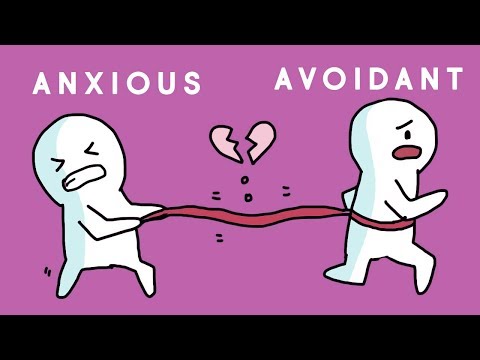
- Avoidant: You maintain distance in relationships and might struggle with closeness. You value independence so much that it can sometimes feel like you’re pushing people away.
- Anxious: You often worry about your partner’s feelings and tend to crave closeness but might feel insecure about it. It’s that rollercoaster of emotions where you want connection but fear losing it.
- Disorganized: This one’s a bit tricky. It combines elements of both anxious and avoidant styles, leading to chaotic or confusing relationship patterns.
Taking an attachment styles test can really help you figure out where you stand. These tests typically ask questions about how you react in relationships—like do you freak out if your partner doesn’t text back right away? Or do you find yourself keeping some emotional distance?
Once you’ve got a sense of your style, things start to get interesting. Say you’re more on the anxious side—you might resonate with needing constant reassurance from your partner or feeling extra sensitive when they seem distant. In contrast, if you’re avoidant, maybe you’ve caught yourself dodging deep conversations or feeling uncomfortable when someone gets too close emotionally.
The cool part? Understanding this stuff isn’t just academic; it has real-world implications for your life! For instance, if you’re aware that you’re anxiously attached, that insight can help you manage those feelings better rather than letting them run wild every time there’s a hiccup in communication.
Also, keep in mind that these styles aren’t set in stone. They can change over time, especially through experiences and therapy. So even if you’ve always been avoidant when it comes to relationships but find someone who makes you feel secure—that might shift how you relate.
To sum it up, recognizing your attachment style is like shining a light on the patterns that dictate how you connect with others. It opens up avenues for growth and deeper understanding of why we do what we do in relationships! So go ahead and take that test; it’s all part of figuring out this fascinating maze we call love!
Understanding Disorganized Attachment Style: Causes, Effects, and Healing Strategies
Disorganized attachment style is a bit of a complicated issue, but don’t worry. I’ll break it down for you. Basically, this attachment style forms in early childhood, usually because of inconsistent caregiving. You know, when kids experience fear or trauma in their relationship with caregivers. They might not be sure if their caregiver will comfort them or create distress. It leaves them feeling confused about what love and safety really mean.
So, what are the causes? Well, a lot of it stems from experiences like abuse or neglect. Imagine a kid whose parent might be loving one moment and frightening the next. They might literally flee to their caregiver for comfort but then feel scared by that same person too! Plus, high-stress environments can also make things worse—like living with parents who struggle with mental health issues or substance abuse.
Now let’s talk about the effects. Kids who develop disorganized attachment often grow up struggling with emotional regulation. They can feel super anxious or disconnected from others as adults. Relationships? They’re often confusing and tumultuous because trust just isn’t there. For instance, you might have one friend who’s great at being close but then shuts down at the first sign of conflict—classic behavior from someone with this attachment style.
But healing is totally possible! So here are some healing strategies:
- Therapy: You can work with a therapist trained in attachment theory to sort through these feelings.
- Mindfulness: Practicing mindfulness can help you stay grounded and present during emotional storms.
- Secure relationships: Building connections with people who provide consistent support can help reshape your understanding of relationships.
- Self-soothing techniques: Learning how to calm yourself during stressful moments makes a huge difference.
Seriously, it’s all about taking those small steps toward understanding your feelings and rebuilding trust in others—and most importantly, in yourself! Look, everyone deserves healthy attachments—it’s just part of being human. Even if you’ve had a rough start, remember: change is possible! You’re not stuck where you started; helping yourself grow is completely within reach.
Understanding Attachment Styles in Psychology: How They Influence Relationships and Emotional Well-being
So, let’s chat about attachment styles. They’re super important in how we connect with people and how we feel about ourselves. You might not realize it, but the way you relate to others often goes back to your early relationships—especially with your caregivers. There are basically four main attachment styles, and each one shapes our emotional well-being and relationships in different ways.
1. Secure Attachment
People with a secure attachment style tend to be pretty comfortable with closeness. They trust others easily, feel confident in themselves, and communicate openly. Imagine you have a friend who always supports you during tough times and feels safe asking for help too—that’s secure attachment at work! This kind of style usually leads to healthier relationships because both partners feel good about expressing their needs.
2. Anxious Attachment
Now, if someone has an anxious attachment style, things can get a bit complicated. They might worry a lot about their partner’s feelings or fear being abandoned. Picture this: you’re constantly checking your partner’s messages, wondering if they’re upset or if they really care about you. It’s like being on an emotional rollercoaster! Anxiety can make relationships intense but also pretty draining for both people involved.
3. Avoidant Attachment
On the flip side, folks with an avoidant attachment style often keep people at arm’s length. They value independence so much that they may shy away from intimacy or vulnerability—like that friend who never seems to want to talk about feelings or gets uncomfortable with deep conversations. This can lead to misunderstandings because while they may seem aloof, there’s often a desire for connection underneath all that distance.
4. Disorganized Attachment
Lastly, we have disorganized attachment—a mix of anxiety and avoidance that can come from unpredictable relationship experiences during childhood. It’s kinda like being pulled in two different directions at once; one moment wanting closeness but the next feeling terrified of it! This leads to chaotic relationships where you might see sudden mood swings or erratic behaviors.
So why does any of this matter? Well, recognizing your own attachment style—and those of people around you—can really change how you approach relationships and emotional well-being overall:
- Improved Communication: Understanding these styles can help couples communicate better by recognizing each other’s needs.
- Avoiding Patterns: If you know your patterns (like being anxious), it becomes easier to work on them.
- Better Boundaries: For avoidantly attached folks especially, knowing when to set healthy boundaries is essential.
- Coping Strategies: Awareness allows for the development of coping strategies that align with individual styles.
Think about it: knowing what makes you tick in relationships can lead to more fulfilling connections and improved mental health overall! Just remember—it’s totally okay if things don’t change overnight; self-awareness is the first step towards growth!
You know, sometimes I think about how we connect with others, and it really gets me pondering on attachment styles. It’s like, our early experiences in relationships kinda shape how we interact with people as adults. When I first heard about attachment theory, it was a bit of a lightbulb moment for me.
So, there are these four main attachment styles: secure, anxious, avoidant, and disorganized. Each one describes how you relate to others – especially in romantic relationships but also with friends and family.
For instance, a secure attachment style is like being comfy in your own skin. You trust people and can rely on them while also feeling totally good about yourself. Anxious types often feel nervous about their relationships—always worryin’ if their partner really cares or if something’s gonna go wrong. Then you’ve got avoidant folks who tend to keep people at arm’s length; they don’t want to get too close because that can feel scary or overwhelming.
I remember a friend of mine who had this anxious attachment style. She was always second-guessing her boyfriend’s feelings, even when he was the sweetest guy ever! Just hearing her worries made me realize how those early bonds can stick around and impact our adult lives.
And then there’s disorganized attachment—it’s like mixing the worst parts of anxious and avoidant styles together. People with this style often have unpredictable behavior in their relationships, stemming from trauma or instability in their early years.
The thing is, recognizing your own attachment style can be super enlightening! It can help you understand why you react a certain way in relationships or why you keep finding yourself in the same tricky spots over and over again.
But hey, it’s not all doom and gloom! Understanding these patterns can be the first step towards healthier connections with others. You can work through stuff in therapy or even just by having honest conversations with those around you.
So yeah, knowing about attachment styles gives us some pretty powerful insights into ourselves and helps us build stronger relationships if we’re willing to do the work! Isn’t it wild how something like this can change how we see our connections?