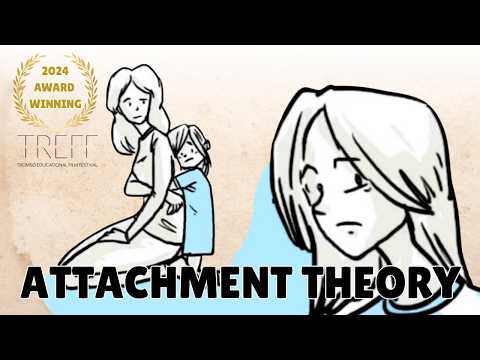
So, let’s talk about attachment. You know, the way we connect with others? It’s a big deal, seriously. Think about it: how you relate to your family, friends, and even partners can totally shape your life.
This blog provides content for informational, educational, and reflective purposes only. The information published here does not constitute medical, psychological, or psychiatric advice, and it does not replace the evaluation, diagnosis, treatment, or individualized guidance of a properly licensed professional. If you believe you may be experiencing a psychological or health-related issue, consult a qualified professional as soon as possible before making important decisions about your well-being. Do not self-medicate or start, stop, or change medications, therapies, or treatments on your own. While we aim to provide useful and accurate information, we do not guarantee that it is complete, current, or suitable for every situation. Your use of this content is at your own risk, and reading it does not create a professional, clinical, or therapeutic relationship with the author or this website.
Ever felt super secure with someone or maybe a bit anxious about a relationship? That stuff doesn’t just happen randomly. There’s actually a whole theory behind it called attachment theory.
And honestly, it’s not as complicated as it sounds! At its core, it’s about those early bonds we form and how they influence us later on.
Curious yet? Good! Because understanding this can really help you navigate your emotions and relationships better. Let me break it down for you in a way that makes sense—no psychology degree needed!
Understanding Attachment Theory: A Simplified Guide for Adult Mental Health Awareness
Understanding attachment theory can feel a little overwhelming at first, but trust me, it’s not as complicated as it sounds. At its core, attachment theory is all about how our early relationships shape the way we connect with others throughout our lives. So let’s break it down.
When you were a baby, your interactions with caregivers formed the foundation of your emotional blueprint. This isn’t just some boring psych idea; it’s real stuff that plays out in how you deal with relationships today. Basically, there are four main attachment styles that people often fall into:
- Secure Attachment: If you had a reliable caregiver who responded to your needs consistently, you’re likely to have a secure style. You’re comfortable with closeness and can trust others. Imagine feeling stable in relationships—like you know your partner has your back.
- Anxious Attachment: This one might come from caregivers who were inconsistent or overly preoccupied. You might find yourself needing constant reassurance in relationships or getting anxious when someone doesn’t respond right away. It’s like always wondering if someone loves you enough.
- Avoidant Attachment: Here, caregivers may have been distant or unresponsive. So, you might feel uncomfortable with intimacy and tend to keep people at arm’s length. It’s almost like building walls around your heart because vulnerability feels risky.
- Disorganized Attachment: This often stems from trauma or neglect during childhood. You could be caught between wanting closeness and fearing it—like being stuck on a seesaw of emotions.
So why does any of this matter for adult mental health? Well, understanding your attachment style can help you navigate emotions and relationships better. For instance, I once had a buddy who always seemed super chill but struggled to let anyone in emotionally. Turned out they had an avoidant attachment style from growing up in a home where feelings weren’t really talked about much.
Knowing this helped them see why they felt so uneasy when someone tried to get closer emotionally—and even gave them the courage to open up more over time.
Let’s get real for a sec: we’re all living in a complex web of relationships, right? Your attachment style can influence things like how you react during conflicts or whether you’re open to vulnerability with friends or partners.
Psychologists believe that by recognizing these patterns and working through them—maybe even with the help of therapy—you can learn healthier ways to connect with others.
In sum, attachment theory isn’t just some dry concept; it’s like having a map for navigating the sometimes bumpy terrain of adult relationships. Knowing yourself better helps you build more meaningful connections and stay emotionally healthy throughout life.
So yeah, that’s the gist! Understanding your own patterns can lead to some serious personal growth and deeper bonds with those around you.
Understanding Bowlby’s Attachment Theory: The Key to Healthy Relationships and Emotional Well-Being
So, let’s chat about Bowlby’s Attachment Theory. It’s kinda a big deal when we’re talking about how we connect with others and build relationships. Basically, this theory explains how our early experiences with caregivers shape the way we relate to people throughout our lives. Sounds interesting, right?
John Bowlby, a British psychiatrist, thought that early bonds between kids and their primary caregivers set the stage for future relationships. He emphasized that these connections impact not just emotional well-being but also social skills later on. You feel me?
Here are some key points about the theory:
- Attachment styles: Bowlby identified different attachment styles based on how secure we felt with our caregivers. These styles can be secure, anxious, avoidant, or disorganized. Each style influences how we approach relationships as adults.
- Secure attachment: If you had a stable and loving caregiver, you likely developed a secure attachment style. This helps you form healthy relationships with trust and openness.
- Anxious attachment: Now, if your caregiver was inconsistent—being loving one moment and distant the next—you might develop an anxious attachment style. This can lead to clinginess or fear of abandonment in future relationships.
- Avoidant attachment: Some folks might have grown up with caregivers who were emotionally unavailable or dismissive. They may end up developing an avoidant style, leading them to keep others at arm’s length.
- Disorganized attachment: This is more complex and often arises from trauma or abuse in early childhood. People with this style may struggle significantly in their adult relationships.
Now let’s think about how this plays out in real life. Imagine a friend who always feels nervous when they’re dating someone new because they worry about getting hurt or rejected—that could be rooted in anxious attachment.
On the flip side, maybe you have another friend who’s super independent and avoids commitment like it’s a plague—that might stem from an avoidant attachment style.
Understanding these styles can really help us make sense of our own behaviors in relationships. So when things get rocky between you and someone else—like misunderstandings or conflicts—you can pause for a second and consider where it all might be coming from.
The thing is, awareness is half the battle! Realizing your own attachment style gives you a leg up when working on healthier connections—not just romantic ones but friendships too.
In therapy settings, professionals often explore these patterns to help clients navigate their emotional experiences better. It’s kinda like uncovering hidden pieces of yourself that influence how you handle love and connection.
In short, Bowlby’s Attachment Theory isn’t just some old-school concept; it’s super relevant for understanding yourself and improving your relationships today! Understanding where you’re coming from emotionally is such an important step toward building stronger bonds with others—reaching out instead of shutting down can really change your life for the better!
Understanding Mary Ainsworth’s Attachment Theory: Insights into Child Development and Relationships
Mary Ainsworth’s Attachment Theory is super important when we talk about how kids develop and how they build relationships. Basically, she looked at the bond between children and their caregivers, especially moms, and figured out that this connection is crucial for emotional growth. Ainsworth developed her ideas through something called the “Strange Situation.” That’s a fancy name for an experiment that observed how babies reacted when their moms left them in a room with a stranger.
The thing is, Ainsworth identified different types of attachment based on how kids behaved during this experiment. Here’s what she found:
- Secure Attachment: Kids with this type feel safe when their caregiver is around. They get upset when the caregiver leaves but are happy to see them return. It’s like they trust that their caregiver will be there for them.
- Avoidant Attachment: These kids don’t really show distress when their caregiver leaves and avoid them upon return. It’s almost like they’ve learned not to depend on anyone too much. They often seem self-sufficient, but it can be a sign of avoiding closeness.
- Anxious Attachment: Children with anxious attachments are clingy—they get really upset when their caregiver leaves but might seem angry or resistant upon reunion. It’s as if they’re unsure if their needs will really be met.
- Disorganized Attachment: This category includes children who show inconsistent or confused behaviors, often stemming from frightening experiences with caregivers. It can be hard to predict how these kiddos will act since they might switch between seeking comfort and acting scared.
Like, think about your own experiences with relationships? If you felt secure as a kid, you’re more likely to have healthy friendships and romantic partners later in life. But if you had an avoidant or anxious attachment style? Well, that can create some challenges as you grow up—like difficulty trusting others or being overly clingy.
Ainsworth’s findings didn’t just sit on some dusty shelf; they kickstarted tons of research into how early attachment affects mental health. It turns out that kids’ early bonding experiences play a big role in shaping who they become as adults—it’s wild! Securely attached children tend to have better emotional regulation, social skills, and overall well-being.
If we look at it through today’s lens, understanding these attachment styles can help parents do better by recognizing patterns in themselves and their children. Like if a parent sees their kid struggling with anxiety after being left alone at school, they might think about ways to improve that connection at home instead of just brushing it off as “kids being kids.”
Ainsworth’s work helps us see why it’s so key to build those healthy attachments right from the start; it sets us up for healthier relationships down the line! So it’s not just theory—these ideas can really change lives by giving insights into childhood behavior (and adult behavior too!).
This knowledge isn’t just academic; it’s practical too! Whether you’re talking about parenting strategies or therapy approaches in mental health settings, Ainsworth’s work continues to influence our understanding of human connections today.
Attachment theory is one of those concepts that really resonates with many people, you know? It’s all about how our early relationships—especially with our caregivers—shape the way we connect with others later in life. And honestly, it’s pretty fascinating stuff.
So, like, imagine being a baby. You’re totally reliant on the adults around you for everything—food, comfort, safety. If your caregivers are responsive and loving, you start to feel secure. That’s what we call secure attachment. But if they’re inconsistent or neglectful, you might end up feeling anxious or even avoidant in your adult relationships. Seriously! Those early experiences stick with you.
I remember my friend Sarah sharing her story about her childhood. Her parents were really loving but also super busy with their careers. She felt well-loved yet always anxious about whether they’d be there for her when she needed them most. Fast forward to today: she often worries her partner doesn’t love her enough and has a hard time trusting him completely. It’s sad to see how those little moments in childhood ripple out through the years.
What’s interesting is that attachment styles can fall into four main categories: secure, anxious, avoidant, and disorganized. Secure folks tend to have healthy relationships; anxious types often crave closeness but fear abandonment; avoidant people might distance themselves from intimacy; and disorganized people flip between approaches due to confusion in past experiences.
Understanding these styles can really open your eyes to why you behave a certain way in relationships or why someone close to you might act defensively or get clingy. You could realize it often boils down to what happened during their formative years!
And here’s the good news: recognizing these patterns can be a game-changer for mental health awareness and personal growth! Once you understand your attachment style, it becomes easier to work on it and build healthier connections with others. Therapy can help too—it’s all about re-learning those old habits and creating new ones.
So next time you’re navigating a tricky relationship or feeling some type of way about intimacy, think back on your early experiences. There might be more going on than meets the eye—and just knowing that could be the first step towards something better!