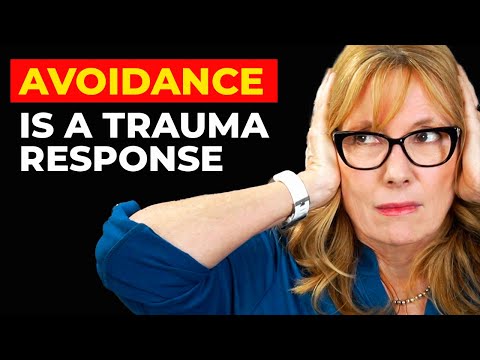
You know that feeling when you really want to connect with someone, but something just holds you back? Yeah, that’s a vibe a lot of us know too well. It’s like, you crave the closeness, but your brain whispers, “Nah, better keep your distance.”
This blog provides content for informational, educational, and reflective purposes only. The information published here does not constitute medical, psychological, or psychiatric advice, and it does not replace the evaluation, diagnosis, treatment, or individualized guidance of a properly licensed professional. If you believe you may be experiencing a psychological or health-related issue, consult a qualified professional as soon as possible before making important decisions about your well-being. Do not self-medicate or start, stop, or change medications, therapies, or treatments on your own. While we aim to provide useful and accurate information, we do not guarantee that it is complete, current, or suitable for every situation. Your use of this content is at your own risk, and reading it does not create a professional, clinical, or therapeutic relationship with the author or this website.
This whole thing often roots back to childhood stuff. Like, maybe there were moments that made you feel unsafe or unloved. It sticks with you. You grow up thinking it’s safer to keep your heart under lock and key.
So, how do you break free from that? How do you heal? Let’s chat about avoidant attachment and what it means for all those relationships in your life—friends, family, even romantic partners. Because seriously? You deserve to feel connected and loved without all the anxiety holding you back!
Understanding the Parenting Styles of Avoidant Individuals: What Roles Do Parents Play?
Understanding the parenting styles of avoidant individuals is a pretty complex topic. It’s like peeling back layers of an onion, you know? When we think about avoidant attachment, it often ties back to childhood experiences, especially how parents interact with their kids. So let’s get into it!
First off, **what’s avoidant attachment?** Well, basically it’s a way of relating to others that comes from early experiences. Kids with avoidant attachment often feel they can’t rely on their caregivers for emotional support. They learn to be self-sufficient and keep emotions at arm’s length. This can leave some pretty big gaps in their emotional development.
Now, when we talk about parents and their role in this, two styles often come up: **dismissive and neglectful parenting**.
Dismissive parents tend to minimize their child’s feelings. They might say things like “don’t cry” or “toughen up,” which sends a clear message that showing emotions isn’t okay. For example, let’s say a little kid falls down and scrapes their knee. Instead of comforting them or acknowledging their pain, a dismissive parent might just brush it off, saying they’re being overdramatic.
On the other hand, neglectful parents are physically or emotionally unavailable. This could be due to their own struggles or distractions in life—think constant stress from jobs or relationships. A child in this environment learns that asking for help doesn’t matter because no one is really there to listen.
Both these parenting styles can lead children to develop an avoidant attachment style as they grow up. They learn not only to distance themselves from others but also from their own feelings—like trying to put away that drawer full of emotions you don’t want to deal with.
So what roles do parents play exactly? Well, they set the stage for how kids view relationships and themselves. It’s like laying down tracks for a train; if the tracks are wonky, that train isn’t going anywhere straight!
When kids grow up with these patterns ingrained in them, they might struggle in adult relationships too—feeling emotionally distant or having difficulty trusting partners. They’ve learned that emotional connection isn’t safe or worth the effort because that’s what home felt like.
Healing from this kind of attachment trauma takes time and effort, though! Therapy can help someone unpack these childhood experiences and learn new ways of connecting with others while also working on self-compassion. It’s not easy but understanding where those patterns come from is like shining a light into dark corners of your mind.
So remember: **parents play a huge role** in shaping how we view relationships and our own self-worth. Acknowledging this gives us tools to heal and create healthier bonds moving forward!
Understanding Firstborn Attachment Theory: Insights into Family Dynamics and Relationships
Understanding attachment theory can really help shed light on how our early family experiences shape who we are, especially if you’re a firstborn. Okay, let’s break it down.
First off, attachment theory is all about how we connect with others based on our early relationships—usually with our caregivers. You might have heard of the four main attachment styles: secure, anxious, avoidant, and disorganized. Firstborns often develop a unique style that can sometimes lean towards avoidant attachment. But why is that?
1. Responsibility and Pressure: Being the oldest often comes with a lot of expectations and responsibilities. Maybe your parents relied on you to help care for younger siblings or set a good example. This can create pressure to be perfect, so you might learn to avoid vulnerability to protect yourself from failure.
2. Emotional Support: Firstborns may not always get the emotional support they need because parents are often focused on figuring things out with their first child. If you felt like you had to mature quickly or take care of your own feelings, that could lead you to keep others at arm’s length later in life.
3. Sibling Dynamics: Your relationship with your siblings can influence your attachment style too. If you found yourself in rivalry or competition, it could foster an environment where emotional expression felt unsafe or unwelcomed—leading you toward avoidant tendencies.
So, what does this mean for adult relationships? Well, people who have an avoidant attachment style might struggle with intimacy or have difficulty expressing emotions. You might feel like opening up is too risky or that relying on others leads to disappointment.
Now here’s where healing becomes important! Recognizing these patterns is the first step toward change. If you’re aware of why you behave a certain way in relationships—maybe running away when things get tough—you can start working on this stuff.
1. Self-awareness: Take time to reflect on your childhood experiences and how they shape your current behaviors in relationships.
2. Therapy: Talking things out with a therapist can be super beneficial! They can guide you through those tricky feelings and help develop healthier connection strategies.
3. Build Safe Relationships: Start by surrounding yourself with people who respect boundaries but also encourage vulnerability in a safe way.
Overall, understanding where your tendency towards avoidant attachment comes from isn’t just about digging up the past; it’s about moving forward and building healthier connections today! Life’s short—you deserve meaningful relationships without the baggage holding you back!
Understanding Avoidant Attachment: The Impact of Childhood Trauma on Adult Relationships
Avoidant attachment is a term you might have heard if you’ve ever looked into how your early experiences shape your relationships. So, what’s the deal with it? Well, it often springs from childhood trauma or emotional neglect. You know, when kids don’t get the support they crave, they learn to distance themselves instead of reaching out for connection.
Imagine a kid who always felt like their parents were too busy or emotionally unavailable. Over time, they start to think, “Why bother? It’s safer not to rely on anyone.” This kind of thinking sticks around and can shape how they behave as adults.
In adult relationships, those with avoidant attachment might seem cool and collected on the outside but may really be struggling inside. They often hold back from getting too close or opening up because they’ve trained themselves not to express vulnerability. It’s like they’re saying, “Hey, I’m fine on my own!” But deep down, you can sense there’s a fear of intimacy lurking around.
- Emotional distance: They tend to keep partners at arm’s length. If things get too intense or intimate, their instinct is to pull away.
- Avoiding commitment: Committing might feel risky or overwhelming; so they prefer casual relationships.
- Difficulty expressing feelings: Sharing emotions feels like a scary leap into the unknown for them.
- Fear of dependence: They often worry that relying on someone else means losing their independence.
You might wonder how all this ties back to childhood trauma. Well, if someone experienced neglect or inconsistent caregiving as a child, those feelings can carry over into adulthood—like carrying an extra backpack full of worries and fears about closeness and trust.
Now let’s talk about *healing*. It’s totally possible! Acknowledging this pattern is usually the first step in making changes. Therapy can be a huge help here. A good therapist can guide individuals through their fears and help them reconnect with their emotions and needs in healthier ways.
For instance, imagine Janice who always found herself avoiding serious relationships because she thought it was better not to let anyone in. Through therapy, she started recognizing her patterns—how she’d ghost her partner when things got too real—and began understanding where those behaviors stemmed from. Little by little, she learned that letting people in doesn’t mean losing control.
So yeah, healing from avoidant attachment is all about recognizing those old wounds and learning new ways to interact with people without fear holding them back so much. It takes time and effort but breaking free from those chains can lead to deeper connections and more fulfilling relationships down the road!
Okay, let’s talk about avoidant attachment. You know, it’s one of those things that can really mess with your life without you even realizing it. If you grew up in a home where emotions were, like, stuffed down or ignored—maybe there was trauma involved—you might find yourself pushing people away as an adult. It’s almost like a defense mechanism you built to protect yourself. But here’s the thing: sometimes that protection can turn into isolation.
I remember chatting with a friend who had this exact struggle. She’d gotten so used to being on her own that letting anyone in just felt terrifying. One time we were talking about relationships, and she said something like, “I want closeness but also feel like I need to run.” You could just see the internal battle happening right there. She truly wanted connection but felt so scared of vulnerability.
Healing from avoidant attachment is definitely possible, but it takes time and effort. It’s about starting to recognize those patterns you’ve developed over the years. Maybe it means looking back at your childhood and figuring out how those early experiences shaped your view of love and safety. It’s tough stuff! Often, you’ll find that things weren’t just black and white—there were moments of warmth too, even if they seemed overshadowed by pain.
Therapy can be a game changer for this journey. A good therapist can help you unpack your feelings without judgment, which is huge when you’ve learned to keep emotions at arm’s length. They might introduce concepts like intimacy and trust in small doses so you’re not completely overwhelmed.
And then there are those small steps you can take daily—like practicing being open with someone you trust or allowing yourself to feel vulnerable in safe situations. It’s kind of awkward at first; I mean, who actually enjoys feeling exposed? Yet each time you take that leap builds up your emotional muscle.
So yeah, healing isn’t linear; it has ups and downs like a rollercoaster ride. Some days will feel great—you’ll feel connected and ready to embrace the world! Other days? Not so much… And that’s totally okay. Just remember: every step forward counts, even if it’s tiny.
Ultimately, it comes down to understanding that it’s okay to want connection while still feeling anxious about it too—you’re not alone in this! That realization itself is often the first step towards breaking those barriers and inviting healthier relationships into your life again. It’s worthy work—so hang in there!