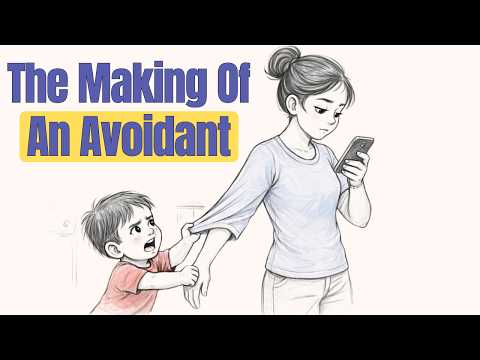
You know that feeling when you just want to connect with your kid, but something feels off? Yeah, it can be tough. Parenting is a wild ride, right?
This blog provides content for informational, educational, and reflective purposes only. The information published here does not constitute medical, psychological, or psychiatric advice, and it does not replace the evaluation, diagnosis, treatment, or individualized guidance of a properly licensed professional. If you believe you may be experiencing a psychological or health-related issue, consult a qualified professional as soon as possible before making important decisions about your well-being. Do not self-medicate or start, stop, or change medications, therapies, or treatments on your own. While we aim to provide useful and accurate information, we do not guarantee that it is complete, current, or suitable for every situation. Your use of this content is at your own risk, and reading it does not create a professional, clinical, or therapeutic relationship with the author or this website.
Sometimes, we end up with these patterns that mess with our relationships. One of them is called avoidant attachment. Sounds fancy, but it’s really just about keeping some distance when things get too close.
Let’s be real—no parent starts out wanting to push their kid away. But life gets complicated. Maybe you learned to protect yourself by keeping emotions in check, and now that shows up in how you parent.
So, how do we navigate this maze without losing sight of those little humans who need us? Let’s figure this out together!
Understanding Avoidant Attachment in Parenting: Strategies for Adult Caregivers
Understanding avoidant attachment in parenting is super important, especially for adult caregivers who want to create a nurturing environment. So, what’s avoidant attachment anyway? Basically, it’s a style that develops when kids learn to be self-reliant because their caregivers were emotionally unavailable or distant. This can carry over into adulthood and affect how they relate to their own kids.
Just picture this: you’re trying to connect with your child, but every time you get close, they pull away. It can be frustrating and heartbreaking at the same time. You might feel like you’re doing everything wrong when really it’s more about how they learned to cope with closeness.
To navigate this tricky terrain, there are some strategies that can help:
- Be Consistent: Kids need to know what to expect. If you’re always there for them but then suddenly unreachable, it can freak them out. Make sure your responses are steady and reliable.
- Encourage Expression: Let your child know it’s okay to share feelings. Something simple like asking «How was your day?» can open the door for deeper conversations.
- Acknowledge Their Feelings: When they express feelings of anxiety or discomfort, validate those emotions instead of dismissing them. You might say something like “I see you’re upset; that’s okay.”
- Create Safe Spaces: Make spaces where they feel secure—like a cozy reading nook or a special family ritual that includes bonding time without pressure.
- Model Vulnerability: Show them it’s okay to not have all the answers or be perfect all the time. Letting them see you mess up sometimes helps normalize their own experiences.
Another thing is communication. Open lines can really bridge gaps that avoidance creates. Share stories from your own life when you faced challenges, so they understand everyone struggles sometimes—even adults.
And hey, self-reflection is key too! If you recognize some avoidant traits in yourself, don’t ignore them. Working on these things isn’t just good for you; it sets an example for your kiddos as well.
Finally, if navigating this feels overwhelming or you’re not sure where to start—seriously consider reaching out for professional help. Therapy can offer guidance tailored specifically to both you and your child’s needs.
By focusing on creating strong emotional connections and being aware of those avoidant patterns, adult caregivers can make huge strides in building healthier relationships with their kids. You’ve got this!
Understanding Avoidant Attachment: Effective Parenting Strategies for Nurturing Secure Bonds with Your Child
Understanding avoidant attachment can be pretty crucial for parents wanting to nurture a secure bond with their kids. You know, it’s all about making those connections that help children feel safe and loved. So, let’s break it down in a simple way, alright?
Avoidant attachment usually develops when kids don’t get the emotional response they need from caregivers. This means they might learn to suppress their feelings to avoid rejection or disappointment. If you’ve noticed your child keeping their distance or acting independent even when they seem overwhelmed, this could be a sign.
**So what can you do about it?** Here are some strategies:
- Be Consistent: Kids thrive on routines and predictability. Show up for them regularly, both physically and emotionally. When you’re consistent, they start feeling safer.
- Encourage Expression: Make it clear that it’s okay to feel things—good, bad, or ugly. Create an environment where your child feels safe sharing emotions without fear of judgment.
- Practice Patience: If your kid seems withdrawn or distant, resist the urge to push them too hard into emotional conversations. Instead, give them space but remain available whenever they’re ready.
- Model Healthy Attachment: Show what a secure bond looks like through your relationships with others. When they see you expressing love and vulnerability, it’ll encourage them to do the same.
- Acknowledge Their Independence: Let them have some autonomy—encourage independent play or activities that allow them to feel capable while knowing you’re just a shout away if needed.
- Praise Efforts: Celebrate even small steps toward sharing feelings or engaging in connection. Positive reinforcement goes a long way!
Think about this: if you were a kid learning to ride a bike and every time you fell off, someone just scolded you instead of helping you back up—that would suck! It’s kinda similar with emotions; imagine how liberating it feels when someone says it’s okay to fall sometimes.
And remember: developing these secure bonds takes time. It won’t happen overnight. Just keep showing up with love and understanding.
Finally, sometimes professional help can be beneficial too! Therapists trained in attachment theory can offer insights tailored specifically for your family dynamic.
So yeah, nurturing that secure bond takes effort but it’s definitely worth it for both you and your child!
Understanding Avoidant Attachment Style: Impact on Relationships and Mental Health
So, let’s talk about avoidant attachment style. It’s this fascinating yet complicated way some people relate to others. Basically, if you lean towards an avoidant attachment style, you might struggle with intimacy and closeness in relationships. It’s like, you crave connection but often pull back when things get too close for comfort. You follow me?
Now, understanding how this plays out in relationships is crucial. Imagine growing up in an environment where showing emotions wasn’t encouraged. Maybe your parents were always busy or didn’t respond to your needs consistently. As a result, you learned to keep your feelings and needs bottled up, thinking it was safer that way.
- This can lead to a tendency to avoid emotional closeness.
- You might find yourself distancing from partners when things start getting serious.
Picture this: maybe you’re on a date with someone super nice. But then they ask about your childhood, and suddenly you feel like you’re trapped in an escape room with no exit! Your instinct is to shift the conversation or even cancel the whole thing because vulnerability feels like a no-go zone.
The impact on mental health can be significant too. When you keep emotions at bay constantly, it might turn into anxiety or depression over time. You know how sometimes people say they feel lost? Well, without those deep connections, feeling disconnected can become your new normal.
- Avoidant individuals often experience loneliness despite being surrounded by people.
- This disconnection can lead to unhealthy coping mechanisms—like binge-watching shows or overworking—to distract from deeper feelings.
If we zoom out a bit and look at parenting practices, things get even more interesting. When someone with avoidant attachment becomes a parent, they might struggle with nurturing their kids emotionally. Let’s say their child is upset—an avoidant parent might not know how to comfort them properly because of their own discomfort with emotions.
- Avoidant parents may unintentionally teach their kids emotional suppression instead of validation.
- This can create a cycle where the next generation also develops similar avoidance traits.
The thing is, recognizing these patterns can be the first step toward change. If you’re navigating relationships and see these signs in yourself or someone else, it could help to talk about it with a therapist or counselor. They can provide tools for building healthier connections and improving emotional availability.
In summary, understanding avoidant attachment gives us some serious insight into how we relate to those around us—be it partners or our little ones—and sheds light on potential struggles with mental health along the way. So take these reflections seriously; they could really change how you connect with others!
You know, parenting is like this wild journey. There’s no manual, and you just do your best. But when you’re dealing with your own stuff—like avoidant attachment—it can feel a bit overwhelming.
So, avoidant attachment, in a nutshell, often stems from childhood experiences where emotional needs weren’t fully met. If that was your experience, you might find yourself keeping a distance in relationships, even with your kiddos. You might struggle to be vulnerable or express affection openly. I remember a friend telling me about how she found it tough to give hugs to her little ones. It wasn’t that she didn’t love them; it was just hard for her to show it.
Imagine trying to comfort your child who’s upset but feeling this urge to pull away instead of diving in and giving them the warmth they need. Confusing right? It’s like there’s this invisible wall between you and all those beautiful moments with your kids that could really strengthen your bond.
But let’s not forget: understanding where you’re coming from is half the battle won. Awareness helps pave the way for change. Maybe start small—like practicing holding their hand during a story or even just sitting closer on the couch while watching a movie together. Every little step counts!
Also, getting into therapy can be a game changer too! Talking things through with someone who gets it helps clarify feelings and provides tools for building those connections. And hey, don’t put too much pressure on yourself! Parenting isn’t about perfection; it’s about showing up as best as you can.
With time and effort, those walls can come down bit by bit. You’re shaping how they connect with the world too! It’s like planting seeds of safety and love in their hearts while you’re learning how to do the same for yourself. Just remember to take things one day at a time—you’ve got this!