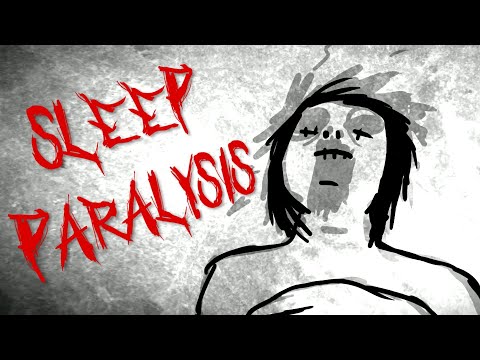
You know that feeling when you wake up, but your body just won’t move? It’s like you’re trapped in your own skin. Super creepy, right?
This blog provides content for informational, educational, and reflective purposes only. The information published here does not constitute medical, psychological, or psychiatric advice, and it does not replace the evaluation, diagnosis, treatment, or individualized guidance of a properly licensed professional. If you believe you may be experiencing a psychological or health-related issue, consult a qualified professional as soon as possible before making important decisions about your well-being. Do not self-medicate or start, stop, or change medications, therapies, or treatments on your own. While we aim to provide useful and accurate information, we do not guarantee that it is complete, current, or suitable for every situation. Your use of this content is at your own risk, and reading it does not create a professional, clinical, or therapeutic relationship with the author or this website.
A lot of folks call it sleep paralysis. Seriously, it’s a trip! One minute, you’re dreaming, and the next, you’re staring at your room while being totally frozen.
It can be scary and confusing. Your mind is all there, but your body won’t cooperate. What’s going on with that?
Let’s dig into the whole mind-body disconnect thing. It’s not just about feeling freaked out; there’s a lot more behind it than meets the eye. Grab a cozy spot because it’s about to get interesting!
Exploring the Connection: Is Sleep Paralysis a Form of Dissociation?
Sleep paralysis can be pretty freaky. You know when you wake up and, like, your mind’s totally alert but your body just won’t move? It’s unsettling, to say the least. So, is it linked to dissociation? Well, let’s break it down.
First off, what exactly is sleep paralysis? It usually happens when you’re in that transition between sleep and wakefulness. Picture it as your brain waking up while your body lags behind. Often, people report feeling pressure on their chest or even seeing shadowy figures. It can feel like a nightmare but it’s not always out of a horror film.
Now, dissociation is a bit different. It’s like when your mind disconnects from your body or surroundings. You might feel detached from reality or yourself; it’s the ultimate «outta body» experience. Some folks associate sleep paralysis with dissociative experiences because both can feel surreal. During sleep paralysis, you might have that similar sensation of being unable to control your body.
Here’s where it gets interesting: during episodes of sleep paralysis, some people describe feeling an overwhelming sense of fear that’s almost out-of-body. That feeling could lead you to think you’re separate from what’s happening to you. And guess what? This is somewhat akin to dissociation! Both phenomena involve a disconnect—one while dreaming and the other while awake.
Also worth mentioning is how common these experiences are.
It’s like they’re all part of the same mental health story—where your brain’s trying its best but gets tangled up in itself.
There are ways to deal with sleep paralysis too. Improving sleep hygiene can help—for example:
These elements might reduce the frequency of episodes and might also lessen feelings of dissociation.
In short, while sleep paralysis isn’t exactly the same as dissociation, there are connections worth looking at. They both play with our perception of reality and our control over our bodies in different situations. If this stuff sounds familiar or resonates with you on a personal level—you definitely aren’t alone!
Exploring the Connection Between ADHD and Sleep Paralysis: What You Need to Know
ADHD and sleep paralysis—sounds like a peculiar combo, right? But there’s actually a connection between the two that’s worth exploring. Let’s break it down, so you get a clear picture of how they interact.
First off, what is ADHD? Attention Deficit Hyperactivity Disorder (ADHD) is a condition that affects how you focus, control your impulses, and regulate your energy levels. You might find it hard to concentrate or sit still at times. These symptoms can make daily life a bit challenging.
Now, let’s talk sleep paralysis. This happens when you wake up and can’t move or speak for a brief period. It usually lasts just a few seconds but can feel super intense and scary. When you’re stuck there in this “awake” state, you might even feel like someone or something is in the room with you.
So, here’s where it gets interesting. People with ADHD often struggle with sleep. And lack of quality sleep can lead to more frequent episodes of sleep paralysis. If your brain isn’t getting the rest it needs to recharge—well, it messes with everything else.
Here are some key points about this connection:
- Sleep Disruption: Individuals with ADHD may have trouble winding down at night, making it harder to get restful sleep.
- Cognitive Fog: When you’re not sleeping well, your mind can feel foggy during the day. This impacts focus even more.
- Anxiety Levels: Both conditions often come hand-in-hand with anxiety and stress; high anxiety can trigger sleep paralysis episodes.
- Body Awareness: People with ADHD may have issues with sensory processing, affecting their awareness of their body during sleep.
Imagine being a kid with ADHD who finally drifts off only to be jolted awake by the bizarre sensation of being unable to move—yikes! That was kind of my friend Liz’s experience when she was younger. She’d be exhausted from trying to keep up in school all day, then boom! Sleep paralysis hit her every now and then after restless nights. It was terrifying for her; she felt trapped in her own body while being awake at the same time.
It’s crucial to understand that while sleep paralysis itself isn’t harmful physically (you won’t be injured by it), emotionally it’s quite stressful! The mind-body disconnect I mentioned earlier comes into play here: feeling awake but unable to control your body creates that panic sensation—and if you already deal with ADHD challenges? Well, that just amplifies everything.
So what do we do about this? Well, it’s all about managing both conditions together! Here are some ideas that might help:
- Create Sleep Routines: Set a consistent bedtime schedule to improve overall sleep hygiene.
- Coping Strategies: Learn relaxation techniques like mindfulness or deep breathing exercises.
- Treatment Options: Sometimes therapy or medication for either condition can help reduce their symptoms overall.
Don’t hesitate to reach out if you’re experiencing these issues—connecting with healthcare professionals who understand both sides is super important. Remember: you’re not alone on this journey! Whether it’s ADHD or sleep troubles like paralysis making things tough for you or someone close—you’ve got resources out there waiting for you!
Exploring the Connection: Is Sleep Paralysis a Psychosomatic Experience?
Sleep paralysis can be a pretty freaky experience. Imagine waking up but not being able to move or speak. You might feel a weight on your chest, and sometimes people report seeing shadowy figures. It’s all very surreal and, frankly, terrifying! But is it just the body playing tricks on the mind? Well, let’s dig into this.
To put it simply, sleep paralysis happens when you wake up from REM sleep. During REM, your brain is active, but your body is paralyzed to prevent you from acting out your dreams. This natural process can go wrong. You might wake up while still in that state of paralysis. The thing is, sleep paralysis seems to straddle the line between physical and psychological experiences.
Psychosomatic experiences refer to physical symptoms caused or aggravated by mental factors. In the case of sleep paralysis, there’s definitely a psychological piece at play. Stress and anxiety are often linked to these episodes. So if you’ve ever felt overwhelmed or anxious in life, it could set the stage for a night of restless sleep and those unsettling moments of stillness.
- Stress can manifest physically.
- Many people report feeling more incidents of sleep paralysis during high-stress periods.
- Cultural beliefs about supernatural experiences can influence how one interprets their episodes.
But there’s more to it than just stress! Some studies suggest genetics may also play a role. If your parents experienced sleep issues or paranoia at night, you might have inherited that fun little trait too! So yeah, genetics can be tied into this mind-body disconnect.
And then we have sleep disorders. Conditions like narcolepsy or insomnia sometimes lead to more frequent episodes of sleep paralysis. It’s like your whole sleep rhythm gets thrown off-kilter—your mind wakes up while your body is still in dream mode!
Let’s not forget about lifestyle factors too. You know how skipping a meal or binge-watching shows late at night feels? Well, irregular sleeping patterns and insufficient rest can really mess with your body’s clock! That disruption contributes to both physical fatigue and those pesky psychosomatic responses too.
There’s also an interesting cultural dimension to consider here; different cultures interpret such experiences through various lenses—some may see them as supernatural occurrences while others might chalk them up purely to stress or anxiety.
So now you’re probably wondering: what can you do about it? Addressing stress through mindfulness techniques or therapy might help reduce occurrences—and I’m not just saying that lightly! Cognitive Behavioral Therapy (CBT) has been effective for many dealing with anxiety-related issues.
In short, yes—sleep paralysis has significant psychosomatic ties; it involves both the brain’s function and emotional states affecting our bodies at their most vulnerable times. So if you’ve felt trapped in that bizarre twilight state where reality blurs with nightmares? You’re definitely not alone; understanding what’s going on gives you power over that fear—helping bridge that mind-body disconnect once and for all!
So, you know those nights when you’re all settled in bed, drifting off to sleep, and suddenly you’re awake but can’t move? That’s sleep paralysis for ya. It’s this weird mix of being totally conscious but completely stuck in your own body. I mean, talk about a mind-body disconnect!
This phenomenon freaked me out the first time it happened. I was lying there, staring at my ceiling while my heart raced like it was running a marathon. It felt like someone was pressing down on me—like a weight that just wouldn’t budge. And the thing is, I could hear things too: whispers or maybe even shadows creeping around the room. But guess what? I couldn’t scream for help! That feeling of helplessness? Ugh.
So basically, there’s this battle going on between your mind and body during sleep paralysis. Your mind is awake and alert but your body is still trapped in that state between sleeping and waking up. This happens because of REM (Rapid Eye Movement) sleep; that’s when our dreams come alive, but our brains literally shut down muscle functions to stop us from acting out those dreams. Kinda wild how nature works, huh?
And it turns out that stress and anxiety can make these episodes more common. If you’re juggling a lot—work stress, relationship drama—you might be more likely to experience this bizarre phenomenon. It’s like your brain’s way of saying “Hey! You need to chill!” But instead of getting some rest, you’re facing this unsettling experience.
To deal with it? Well, some people suggest practicing relaxation techniques before bed or maintaining a regular sleep schedule—keeping your mental health in check can really work wonders too! You wanna get your mind and body back on the same page before hitting the hay.
Honestly though? The scariest part about all this is feeling so powerless in that moment when everything seems real but you can’t do anything about it. Once you know what it is, though—once you realize it’s just temporary—you start seeing light at the end of the tunnel.
So if you ever find yourself in that strange space between wakefulness and sleep where everything feels off-kilter? Just remember: you’re not alone in this wild experience called life. And yeah, you’re gonna be just fine once your body catches up with your brain again.