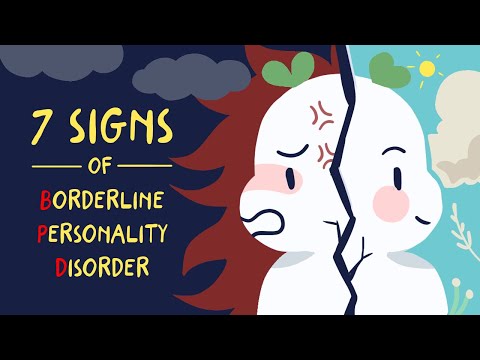
Alright, so let’s chat about something that can be pretty confusing—Borderline Personality Disorder, or BPD for short. You might’ve heard the term thrown around, but what does it really mean?
This blog provides content for informational, educational, and reflective purposes only. The information published here does not constitute medical, psychological, or psychiatric advice, and it does not replace the evaluation, diagnosis, treatment, or individualized guidance of a properly licensed professional. If you believe you may be experiencing a psychological or health-related issue, consult a qualified professional as soon as possible before making important decisions about your well-being. Do not self-medicate or start, stop, or change medications, therapies, or treatments on your own. While we aim to provide useful and accurate information, we do not guarantee that it is complete, current, or suitable for every situation. Your use of this content is at your own risk, and reading it does not create a professional, clinical, or therapeutic relationship with the author or this website.
Honestly, it’s a big deal for a lot of people. Picture this: intense emotions that flip like a light switch, relationships that go from “I love you” to “get away from me” in seconds. It can feel like riding an emotional rollercoaster.
And here’s the kicker: understanding the symptoms is key to figuring things out. That’s where this checklist comes in handy! We’ll dive into 23 symptoms that could help you—or someone you care about—connect some dots. It’s not just about labels; it’s about making sense of what’s going on inside your head and heart.
So keep reading, okay? Let’s untangle this together.
Comprehensive List of 23 Borderline Personality Disorder Symptoms: A Scoring Guide for Self-Assessment
Borderline Personality Disorder (BPD) can be a tricky thing to understand. It’s marked by intense emotions and relationships that often feel chaotic. If you think you might relate to some symptoms of BPD, it’s important to know what those are. Here’s a look at some common signs, so you can get a better sense of what it might feel like.
1. Fear of Abandonment: You might have an intense fear that people will leave you. This can lead to frantic efforts to avoid real or imagined abandonment. Like, maybe you overreact when a friend cancels plans last-minute.
2. Intense Relationships: Your relationships could swing between extremes—either super idealized or suddenly devalued. It’s like someone is either the best person ever or the worst.
3. Identity Disturbance: You may struggle with your sense of self, feeling empty or unsure about who you really are. One day, you might feel confident and the next day unsure about everything in your life.
4. Impulsivity: Engaging in risky behaviors—like spending sprees, unsafe sex, or substance abuse—is something that can happen when things get overwhelming.
5. Self-Harming Behaviors: Some folks may engage in self-harm as a way to cope with emotional pain. It could be cutting or burning yourself; basically anything that provides temporary relief from that deep emotional turmoil.
6. Emotional Instability: Think rollercoaster rides for your feelings! One moment you’re on top of the world; the next, you’re deep in despair.
7. Chronic Feelings of Emptiness: There might be a nagging sense of emptiness that just won’t go away—a feeling like something’s missing inside.
8. Inappropriate Anger: You could find yourself getting angry easily or having intense rage episodes that seem disproportionate to what set them off.
9. Stress-Related Paranoia: During times of extreme stress, it’s common for people with BPD to experience paranoid thoughts or dissociate from reality—almost like your brain is trying to protect itself from too much chaos.
10. Difficulty Trusting Others: You may struggle with trusting even the people closest to you due to fears they’ll let you down—or worse, abandon you.
When assessing how these symptoms impact your day-to-day life, keeping track through some kind of scoring guide could be helpful too! For example:
- If fear of abandonment disrupts regular activities regularly.
- If impulsive behaviors have led to significant financial issues.
- If emotional instability affects work performance.
Recognizing these patterns is key because understanding them helps pave the way toward seeking help if needed.
Keep in mind that everyone’s experience with BPD is different—and not everyone will show all 23 symptoms listed elsewhere—in fact many find their own unique pattern within this framework! If any of this resonates with you though? That’s certainly a starting point for looking deeper into it and possibly talking things through with someone who gets mental health stuff—like a therapist!
It’s tough living with these kinds of thoughts and feelings but just know you’re not alone out there; help is available! Understanding yourself better is already a huge step forward anyway!
Comprehensive Borderline Symptom List (BSL-23) PDF: Understanding and Identifying Symptoms of BPD
Understanding Borderline Personality Disorder (BPD) can feel like navigating a maze, especially when you run across symptom checklists, like the Comprehensive Borderline Symptom List (BSL-23). This list’s purpose is to help you identify and understand the symptoms of BPD. It’s a bit like having a map that guides you through the complexities of emotional experiences.
So, what is BPD? Well, it’s a mental health condition that affects how you feel and interact with others. The **BSL-23** breaks down various symptoms into 23 specific areas. These can include intense emotions, unstable relationships, and feelings of emptiness. Each symptom reflects struggles that many people with BPD experience daily.
Here are some key points to understand:
- Emotional Instability: You might find your mood swinging wildly from joy to sadness in no time at all. It can feel like riding a roller coaster with no seatbelt.
- Impulsivity: Acting on impulse is common. This could mean spending money randomly or engaging in risky behaviors without thinking about the consequences.
- Fear of Abandonment: This might make you overly anxious or angry at even the slightest thought of someone leaving or not being there for you.
- Unstable Relationships: You may experience intense relationships that start off amazing but swing to feelings of intense anger or rejection quickly.
- Self-Image Issues: Your view of yourself can drastically change depending on what’s happening around you, leading to confusion about who you truly are.
Let’s say you have a friend who always needs reassurance that you’re there for them. You might notice they flip between expressing love and then feeling abandoned if they think you’re upset. It’s tough because those mood swings don’t just affect them; they also impact everyone around them.
The **BSL-23** isn’t just a checklist; it’s more about helping people recognize these symptoms in themselves or their loved ones. And while this list helps pinpoint struggles, remember it doesn’t provide a diagnosis—that requires insight from a professional.
If you’ve been looking into this list yourself or wondering about someone else who might relate to these experiences, know that understanding BPD is an essential step toward managing it better. Recognizing symptoms helps in acknowledging feelings and finding paths toward healing.
So, whether it’s through therapy or just talking with someone who gets it, knowing these symptoms can empower individuals struggling with BPD to seek support and have conversations about their experiences without fear or shame.
Comprehensive Borderline Personality Disorder Scale PDF: Download and Insights
Borderline Personality Disorder, or BPD, is a complex condition that can leave people feeling really intense emotions. You might have ups and downs, struggles with relationships, and a constant sense of emptiness. It’s tough, and understanding it better can help.
So, the Borderline Personality Disorder Symptom Checklist 23 is one tool used by mental health professionals to assess BPD symptoms. It’s like a checklist that helps identify if someone might be experiencing the traits associated with BPD. You answer questions that focus on emotional experiences and interpersonal issues.
Some common symptoms listed in this checklist include:
- Fear of abandonment: A person might go to great lengths to avoid real or imagined separation.
- Unstable relationships: Relationships may shift between extremes of idealization and devaluation.
- Self-image issues: People often find it hard to have a stable sense of self.
- Impulsive behavior: This could involve reckless spending or risky sexual encounters.
- Mood swings: Emotions can change rapidly, sometimes within hours.
- Sensation-seeking behavior: Some folks engage in dangerous activities for thrills.
The thing is, these symptoms don’t exist in isolation; they often overlap with other mental health conditions too. That’s why using tools like the checklist is crucial for getting an accurate picture of what’s going on.
If you’re looking for the Comprehensive Borderline Personality Disorder Scale PDF, yeah, you can usually find it through various mental health resources online—like university websites or reputable psychological associations. But remember to be cautious about where you download stuff from! Always check the credibility of the website first.
Speaking from experience—like when I had a friend who struggled with BPD—it was eye-opening to see how symptoms showed up in real life. There were times they’d swing from feeling completely on top of the world to suddenly feeling hopeless within moments. It’s exhausting not just for them but also for those around them.
So basically, if you (or someone you know) are trying to figure out more about BPD and how it affects daily life, taking a look at this symptom checklist can be really helpful. But keep in mind: this is just one piece of the puzzle. For anyone dealing with these feelings seriously or having a tough time managing them alone, reaching out to a mental health professional can make a big difference!
So, when we talk about Borderline Personality Disorder (BPD), it’s easy to get lost in a sea of symptoms and technical jargon. But honestly, understanding it can be super helpful, both for people who might be dealing with it and for those who want to support them.
Now, the “Borderline Personality Disorder Symptom Checklist 23” is like a roadmap. It highlights various symptoms that often pop up in individuals with BPD. You’ve got emotional instability, intense relationships that can go from hot to cold really fast, and a fear of abandonment that can feel like an unshakable weight on your chest. I remember talking to a friend who was struggling with some of this stuff; she’d tell me how her mood swings felt like riding a rollercoaster. One minute she’d be on top of the world, and the next, it was like she was in the depths of despair over something that seemed small.
Then there are those impulsive behaviors—think reckless spending or jumping into relationships without really thinking them through. My friend once booked a spontaneous trip across the country after just one conversation with someone online! I mean, it’s thrilling at first but can turn into chaos pretty quick.
But what gets overlooked sometimes is how the symptoms affect daily life and relationships. Imagine being on edge constantly or feeling misunderstood by people you care about; it can be exhausting! It’s not just about checking off boxes on that symptom list; it’s about real emotions and experiences.
So yeah, while those checklists are important—they help doctors diagnose and guide treatment—they don’t capture the full range of feelings involved. If you or someone you know identifies with some of these symptoms, reaching out for help can be a game changer. Therapy can offer tools to navigate those emotional waves more smoothly and build healthier connections with others.
At the end of the day, BPD isn’t just a label; it’s an experience filled with ups and downs that deserve compassion…and understanding from us all.