Hey there! So, let’s chat about something that can sneak up on you—anxiety, especially when you’re dealing with health stuff like pleural effusion. You know, that feeling when your chest gets tight and everything just feels a bit overwhelming?
This blog provides content for informational, educational, and reflective purposes only. The information published here does not constitute medical, psychological, or psychiatric advice, and it does not replace the evaluation, diagnosis, treatment, or individualized guidance of a properly licensed professional. If you believe you may be experiencing a psychological or health-related issue, consult a qualified professional as soon as possible before making important decisions about your well-being. Do not self-medicate or start, stop, or change medications, therapies, or treatments on your own. While we aim to provide useful and accurate information, we do not guarantee that it is complete, current, or suitable for every situation. Your use of this content is at your own risk, and reading it does not create a professional, clinical, or therapeutic relationship with the author or this website.
It’s totally normal to feel anxious in these situations. But here’s the good news: there are ways to calm that panic down. Seriously! Breathing exercises can be a game changer. I mean, it sounds simple, right? But the power of your breath is seriously underrated.
Picture this: you’re sitting there feeling like you can’t breathe properly, and then someone tells you to just focus on your breathing. It might sound cliché, but it really helps! It gives your mind something to do other than freak out.
Let’s take a moment together to explore some easy breathing techniques that can help you chill out during those tough times. Trust me; it could make a world of difference!
Sleep Better with Pleural Effusion: Tips and Strategies for Restful Nights
Living with pleural effusion can be tough, especially when it messes with your sleep. You know how important a good night’s sleep is for your mental health, right? It can feel impossible to relax when you’re dealing with shortness of breath or anxiety about breathing. But there are ways to make those restless nights a little more manageable.
Understanding Pleural Effusion
First off, pleural effusion happens when fluid builds up in the space between your lungs and the chest wall. This can lead to discomfort and feelings of tightness in your chest. If you’re anxious about your condition, it might make you feel like you can’t breathe well, especially at night. So what do you do? Well, let’s explore some tips that might help.
Breathing Exercises
One of the simplest methods to cope with both anxiety and breathing problems is through breathing exercises. These help calm your mind while also improving lung function. Try this: sit or lie down comfortably. Slowly inhale through your nose for a count of four, hold it for a second, then exhale through your mouth for six counts. Doing this regularly—say three times a day—can make a significant difference in how you feel.
In my friend’s case, she struggled with anxiety every time she went to bed, thinking about her pleural effusion. She started doing these exercises and found that focusing on her breathing not only calmed her nerves but also helped ease her physical discomfort as well.
Create a Relaxing Sleep Environment
Think about how your bedroom feels at night. Is it dark enough? Quiet? A few simple changes can transform it into a sanctuary for sleep:
- Dimming the lights: Soft lighting helps signal to your body that it’s time to wind down.
- Noise control: If outside noise keeps waking you up, consider earplugs or a white noise machine; they can work wonders.
- The right bedding: Use breathable fabrics like cotton to keep cool at night; comfort matters!
When my friend revamped her bedroom by adding blackout curtains and using lavender-scented pillows, she noticed she slept more soundly—so small changes can have an impact!
Avoid Stimulants Before Bed
Cutting down on caffeine and heavy meals before bedtime is key too. Stimulants can keep you wired when all you want is peace! Try sipping on herbal tea instead or having a light snack if you’re hungry.
There’s something soothing about chamomile tea that many people find helps them unwind after a long day.
Meditation and Mindfulness
Adding some meditation or mindfulness practice into your daily routine could also help lower anxiety levels over time. Just 10-15 minutes daily focused on being present in the moment could alter how quickly you drift off at night.
My partner started this practice during their treatment and said it felt like turning off the world around them—even just for a bit—it made such a difference!
Talk It Out
It’s totally normal to feel anxious when dealing with something like this! Talking to someone—a friend or therapist—about what you’re feeling can lighten the emotional load significantly.
Connecting with others who understand what you’re going through can provide comfort too! Support groups are available both online and locally if that’s something you’d like to explore.
Making adjustments takes time and patience but remember: every little change counts! You’ve got this—you’re not alone in navigating these challenges either; reaching out makes all the difference sometimes!
Master Your Breath: Simple Techniques to Alleviate Anxiety and Enhance Well-Being
Mastering your breath can be a total game-changer when it comes to handling anxiety. Seriously, it’s like having a secret weapon in your back pocket. You might not realize it, but the way you breathe has a huge impact on how you feel. So, let’s break down some simple techniques that can help ease anxiety and promote well-being.
First off, breathing is super powerful. When you’re anxious, your breathing tends to get shallow and fast. This sends signals to your brain that something’s wrong. But by taking control of your breath, you can send a calming message instead. Breathing exercises can help ground you and help manage those spiraling thoughts.
Here are some effective techniques:
Now maybe you’ve experienced moments when anxiety just hits hard outta nowhere—like when you’re trying to catch some air but feel like there’s none left in the room? I remember being at a doctor’s office feeling all sorts of anxious about what they might say regarding pleural effusion—totally overwhelming! But as soon as I focused on my breath using these techniques, I felt my body relax bit by bit.
Also keep in mind that practicing these exercises regularly makes them more effective over time. Just like building muscle—it takes commitment! Try setting aside a few minutes each day to focus solely on your breathing.
And don’t forget—when dealing with health conditions, like pleural effusion or any other challenging diagnosis, always talk with healthcare professionals if you’re feeling overwhelmed or anxious about it all. They can guide you toward additional strategies tailored just for you.
Incorporating these breathing techniques into your routine not only helps manage anxiety but also enhances overall well-being. Think of it as giving yourself permission to slow down amidst the chaos of life! The more tools you have in your mental health toolbox, the better equipped you’ll be to handle whatever comes up next.
Mastering the 4-7-8 Breathing Technique: A Natural Remedy for Anxiety Relief
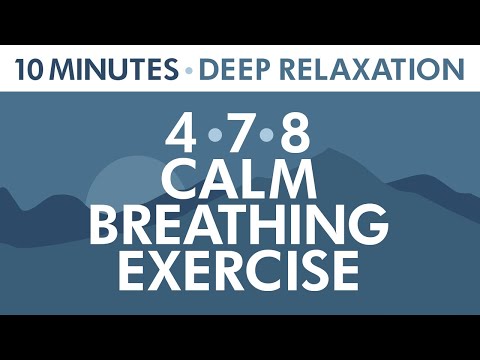
Breathing techniques can be real game-changers when it comes to dealing with anxiety. One that seems to pop up often is the **4-7-8 Breathing Technique**. This method can be especially helpful for folks facing anxiety related to conditions like pleural effusion, where feeling short of breath can ramp up your worries.
The idea behind this technique is pretty simple and revolves around focusing on your breath. It’s like giving your mind a little vacation while you calm your body down.
Here’s how it works:
- Inhale through your nose for 4 seconds: Start by breathing in slowly, filling your lungs with air. Count in your head: “one, two, three, four.”
- Hold your breath for 7 seconds: After that lovely deep breath, hold it. It might feel weird at first, but try to stay relaxed. Think about something calming.
- Exhale through your mouth for 8 seconds: Now let it all out! Blow out gently while making a whoosh sound if you want to. That helps release tension.
Try repeating this cycle for four breaths at first and see how it feels.
So, why might this technique help? Well, breathing deeply stimulates the parasympathetic nervous system. This part of your nervous system kicks into gear when you need to chill out and relax—think of it as turning off an alarm clock after a rough night.
Let me share a quick story: I once had a friend who always seemed stressed about her health. She’d been diagnosed with pleural effusion and would panic whenever she felt out of breath. It was tough to watch her go through that spiral of anxiety. But then she found the 4-7-8 technique online and decided to give it a shot during those panic moments. The first time she tried it, I could see her shifting from fright to calm within minutes—it was incredible!
Of course, this breathing trick isn’t a cure-all for anxiety or medical issues; it’s just one tool in the toolbox. You know? Sometimes when life gets overwhelming, just taking a moment to focus on something simple like breathing can make all the difference.
Remember, it’s all about practice too! If you do this consistently—like every day or whenever those anxious feelings creep up—it can really help you build resilience against stressors related to health worries or other situations.
So next time you’re feeling those anxious waves hit over something like pleural effusion or even just general stress, give the 4-7-8 Breathing Technique a try. Your body and mind might just thank you!
Breathing exercises can be a pretty amazing tool, especially when you’re facing something stressful like pleural effusion anxiety. It’s like having your own little lifeline when everything feels overwhelming. I remember a friend going through a rough time with her health. She had this constant weight on her chest, and every anxious thought just seemed to amplify that struggle. It was tough to see her so anxious about her breathing; it was like she was fighting against something invisible.
So, picture this: when you feel that tightness in your chest or just, you know, the panic creeping in, stopping to focus on your breath can really help ground you. One technique is just to find a comfy spot and pay attention to your inhales and exhales. Close your eyes if it helps—seriously, just breathing in for four counts, holding for four, and then exhaling for six or eight counts can create space in that chaos. It’s wild how something as simple as breathing can shift your mindset.
And the science behind it isn’t super complicated either! Deep breathing activates the body’s relaxation response which can lower anxiety levels and remind you that, hey, you’re still here. That feeling of control over your breath can counteract what might feel like an uncontrollable situation.
Of course, it won’t solve everything overnight. But incorporating those breaths into your routine? That’s a small step toward finding some calm amidst the storm. When my friend started using these techniques regularly—whether she was at home or even waiting at an appointment—she felt more prepared to handle whatever came next. It didn’t erase the fear completely but gave her moments of clarity and relief.
Every little bit matters when you’re dealing with something like pleural effusion anxiety. So next time you feel that panic rise up in you? Just breathe—it might take a few tries before it really sinks in but trust me, every breath counts!