You know those days when you feel like you’re just ballooning up with stress? Like, every little thing is adding to this giant pile of pressure inside you? Yeah, we’ve all been there.
This blog provides content for informational, educational, and reflective purposes only. The information published here does not constitute medical, psychological, or psychiatric advice, and it does not replace the evaluation, diagnosis, treatment, or individualized guidance of a properly licensed professional. If you believe you may be experiencing a psychological or health-related issue, consult a qualified professional as soon as possible before making important decisions about your well-being. Do not self-medicate or start, stop, or change medications, therapies, or treatments on your own. While we aim to provide useful and accurate information, we do not guarantee that it is complete, current, or suitable for every situation. Your use of this content is at your own risk, and reading it does not create a professional, clinical, or therapeutic relationship with the author or this website.
Releasing that hot air can actually do wonders for your mental wellbeing. Seriously! It’s not just about venting; it’s about feeling lighter and more at ease.
When you let it out, whatever “it” is—frustration, anxiety, or even joy—it frees up space in your mind. And who doesn’t want a little clarity, right?
It’s like letting your tires down a bit, so they don’t pop from overinflation. So let’s chat about how releasing that heat helps us feel better overall.
How Hot Weather Impacts Mental Health: Exploring the Connection Between Heat and Mood
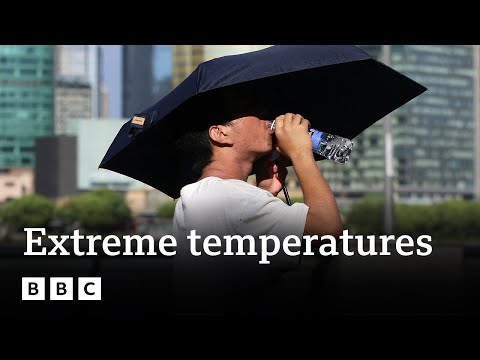
Hot weather can seriously mess with your mood, and that’s not just a feeling—it’s backed by science. Basically, when the temperature rises, so does the likelihood of feeling grumpy or anxious. It’s wild how much the heat can get to us, right?
Physical effects of heat; when it gets too hot, your body has to work extra hard to cool down. This can lead to irritability and fatigue. You know those days when it’s sweltering outside, and you just want to flop on the couch? Yeah, that’s the heat zapping your energy.
Then there are psychological effects. Heat can trigger feelings of anxiety or depression in some folks. You might notice that during a heatwave, everything just feels heavier—like you’re walking through mud. That oppressive feeling isn’t just in your head; it’s actually a response to high temperatures.
When we talk about social dynamics, things can get tricky too. Hot weather often leads to more conflicts and aggression. Ever snapped at someone for no reason? Sometimes those hot summer days aren’t helping our tempers either! Studies have shown that violent crimes often spike during hotter months.
And let’s not forget about sleep quality. If it’s roasting at night, trying to get some shut-eye becomes an uphill battle. Lack of sleep messes with your mood as well—making you feel cranky and unfocused the next day. Who hasn’t tossed and turned on a sticky summer night?
Also, think about what hot weather does to our outdoor activities. When it’s super hot outside, do you feel like going for a jog or hanging out in the park? Probably not! This reduction in physical activity can lead to lower mood levels since exercise is known for boosting endorphins—the happy hormones in our bodies.
So yeah, what if you’re stuck in a scorching summer day? Try staying cool and hydrated as much as possible. Drink water like it’s going out of style and find shade when you can! Engaging in relaxing indoor activities can also help ease that restless feeling creeping up on you.
Ultimately, understanding this connection between heat and mood helps us prepare better for those sizzling summer days ahead. We all deserve to feel good—even when it’s hot out!
Exploring the Impact of Heat on Mental Health: Understanding the Connection and Coping Strategies
Heat and Mental Health can be a pretty intense topic. Seriously, rising temperatures can mess with your head in ways you might not even realize. Picture this: a scorching hot day where all you can think about is how sticky and uncomfortable you feel. You’ve been there, right? That heat can impact your mood, energy levels, and overall mental state.
When it’s hot outside, your body isn’t just dealing with the heat; it’s also processing everything else going on in your life. Like, stress might feel amplified when you’re sweating buckets. Research shows that high temperatures are linked to increased irritability, anxiety, and even aggression. So yeah, if you’re feeling a bit more on edge during a heatwave, you’re not alone.
What happens is that extreme heat might mess with your sleep too. You toss and turn all night because you’re too hot to get comfortable. Sleep deprivation really plays tricks on your mood. The lack of shut-eye can make it hard for you to think clearly or deal with daily stressors.
And let’s not forget about physical activity. Hot weather can discourage you from getting outside or working out. Exercise is crucial for mental health—it releases those lovely endorphins that make you feel good! Staying cooped up inside because it’s too sweltering may lead to feelings of isolation or boredom.
So what can you do when the heat hits hard? Here are some coping strategies:
- Stay Hydrated: Drink plenty of water! Dehydration can worsen anxiety and irritability.
- Create a Cool Environment: Use fans or air conditioning if you have it—keep your space comfy.
- Take Breaks: If you’re working or studying at home, take short breaks to help manage stress levels.
- Acknowledge Your Feelings: It’s okay to feel off during hot days; being aware of how the heat affects you is important.
- Engage in Relaxing Activities: Try meditation or gentle yoga indoors where it’s cooler.
You know what else? Sometimes just talking about how the heat is making you feel can be super helpful—whether it’s sharing with friends or seeking out professional help if things get heavy.
In essence, heat has real effects on mental health, but being proactive about coping strategies can make all the difference. So next time summer rolls around and that pavement starts sizzling, remember to take care of yourself amidst the melting days!
Understanding the Connection Between Mental Illness and Heat Intolerance: Symptoms, Causes, and Coping Strategies
So, let’s talk about something that doesn’t get enough attention: the connection between mental illness and heat intolerance. You might not think these two things are related, but trust me, they totally are. It’s one of those things that can really affect your mood and mental well-being.
Heat Intolerance and Mental Health
First off, heat intolerance isn’t just about sweating buckets when you step outside on a hot day. It’s when your body reacts poorly to warm temperatures. You might feel dizzy, nauseous, or even anxious. And if you’re already dealing with a mental health condition like anxiety or depression, this can make everything feel worse.
And here’s the kicker: people with conditions like anxiety disorders or PTSD often report heightened sensitivity to heat. This means that they might feel more stressed or irritable when it gets sweltering out. I remember a friend who always struggled with anxiety; during the summer months, she’d become super tense and moody when it was hot outside.
Symptoms of Heat Intolerance
Now, let’s dive into some specific symptoms you might experience if you’re struggling with heat intolerance linked to mental health:
- Increased anxiety: Feeling jittery or restless when it gets too warm.
- Mood swings: You know how sometimes the heat just puts you in a bad mood? Well, for some folks, it can be more intense.
- Panic attacks: Yeah, this is serious. The feeling of being overwhelmed in hot weather can trigger panic for some.
- Cognitive challenges: Heat can mess with your brain! Difficulty concentrating can become more pronounced.
The Causes Behind This Connection
So what gives? Why does this happen? There are several possible reasons behind the link between heat intolerance and mental illness:
- Physiological factors: Your body’s stress response kicks in during high temps. If your brain is already wired to react strongly to stress (thanks anxiety!), well… it just gets worse.
- Lack of control: Many people who struggle with mental health issues often feel out of control already; add extreme heat into the mix and voilà—intensified feelings of helplessness.
- Sensory overload: For those sensitive to environmental factors (think noise or light), heat can be another layer of sensory overload that just makes everything feel unbearable.
Coping Strategies
Alright, so if you find yourself feeling overwhelmed by the heat and it’s messing with your mental state, there are ways to cope:
- Stay hydrated: Seriously! Drink water like it’s your best friend during summer months.
- Create cool spaces: If possible, find ways to make your home cooler—shut curtains during peak sun hours, use fans—whatever works!
- Avoid triggers: If extreme heat makes your anxiety spike even more, try planning outings for cooler parts of the day.
- Meditation & mindfulness:: This isn’t just fluffy stuff; focusing on breathing techniques can really help ground you when everything feels overwhelming.
Remember that finding these coping strategies takes time—it’s all about figuring out what works best for you!
If you’re noticing how much the heat impacts your mental health—or if the symptoms feel unmanageable—it could be worth reaching out for professional support. Treatment options like therapy or medication can also play an important role in managing both heat intolerance and any underlying conditions.
So yeah, understanding this connection helps shed light on how we experience our world differently based on our mental health! Don’t underestimate how important it is to take care of yourself during those hot days!
You know, sometimes we all feel like we’re carrying this huge weight on our shoulders. It’s like, no matter what’s going on, the pressure just builds and builds until—bam!—you explode. You’ve probably had those moments too, right? When everything seems overwhelming and you find yourself snapping at people or just feeling off.
Let me tell you a little story. A friend of mine, Sarah, had been under a ton of stress at her job. She was constantly busy, juggling deadlines and obligations. One day after work, she finally reached her breaking point. Instead of holding it in or pretending everything was fine, she called me and just let loose. I mean really let loose! She talked for an hour about everything that had been bothering her—the workload, the annoying coworker who never pulls their weight—and you could hear the tension melting away as she spoke.
That moment of releasing all that hot air made such a difference for her mental wellbeing. It’s funny how just voicing our frustrations can start to clear out all that emotional clutter in our heads. When we’ve got all these bottled-up feelings inside us, they can really mess with our mood and energy levels.
The thing is, holding onto those feelings isn’t helping anyone—not you or the folks around you. Emotions are meant to flow! Think of them like steam in a pressure cooker; if you don’t release it somehow, eventually it’ll blow up in your face. So yeah, finding ways to express yourself—whether it’s talking to someone close or even journaling—can be super powerful.
But here’s where it gets interesting: there are right ways and wrong ways to release that hot air. Like Sarah dealt with hers by talking it out rather than taking out her frustration on others or keeping silent until she felt suffocated by it all again. So maybe next time you feel that pressure building up inside you, try letting some of it out before it explodes at an inconvenient time.
Taking the time to process your emotions helps clear your mind and bring a little balance back into your life. And honestly? That’s something we could all use more of these days!