Hey, so have you heard about this thing called the MBTI test? You know, the one that sorts people into personality types. Well, it turns out that BTS fans have really picked up on it.
This blog provides content for informational, educational, and reflective purposes only. The information published here does not constitute medical, psychological, or psychiatric advice, and it does not replace the evaluation, diagnosis, treatment, or individualized guidance of a properly licensed professional. If you believe you may be experiencing a psychological or health-related issue, consult a qualified professional as soon as possible before making important decisions about your well-being. Do not self-medicate or start, stop, or change medications, therapies, or treatments on your own. While we aim to provide useful and accurate information, we do not guarantee that it is complete, current, or suitable for every situation. Your use of this content is at your own risk, and reading it does not create a professional, clinical, or therapeutic relationship with the author or this website.
Isn’t that cool? These seven guys from South Korea are not just idols; they’re kinda like friends who help us figure ourselves out. Seriously!
A lot of ARMYs dive deep into their types to understand their own vibes and emotions better. And honestly, it’s kind of fascinating how a simple test can spark some serious self-discovery.
Let’s chat about how these insights from the BTS MBTI trend can actually boost your mental health and help you connect with yourself on another level!
Discover the MBTI Personality Types of BTS Members: What Tests Did They Take?
BTS is not just a global music phenomenon; they’re also known for their deep emotional connections with fans and their own self-discovery journeys. One interesting way they dive into understanding themselves is through the MBTI, or Myers-Briggs Type Indicator. This test categorizes personalities into 16 different types based on preferences in four pairs of opposing traits.
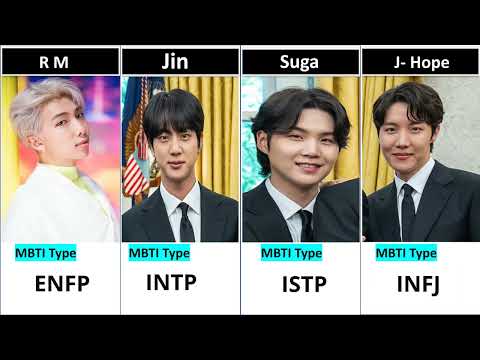
So what’s the deal with the BTS MBTI types? Well, each member has taken this test, revealing insights that can help fans connect on a deeper level. Here’s a quick breakdown of their types and what it all means:
- RM – INTJ: RM stands for «leader» and his INTJ type means he values deep thinking and strategic planning. He’s the mastermind behind many of BTS’s profound concepts.
- Jin – INTP: Jin’s INTP personality suggests he’s an analytical thinker who enjoys pondering life’s big questions. He often brings a playful yet philosophical view to discussions.
- Suga – ISTP: As an ISTP, Suga approaches problems with logic and practicality. He’s known for his cool demeanor and ability to tackle challenges head-on.
- J-Hope – ENFJ: J-Hope embodies warmth as an ENFJ. His enthusiasm for connecting with people shines brightly during performances and interactions with fans.
- Jimin – ESFJ: Jimin’s ESFJ type indicates that he thrives on relationships and cares deeply about others’ feelings, making him the “mood maker” of the group.
- V – INFP: V, as an INFP, is introspective and creative, often showing his artistic side in music and photography. His sensitivity adds depth to BTS’s emotional themes.
- Jungkook – ISFP: Jungkook’s ISFP personality means he enjoys living in the moment while expressing himself creatively through dance and music.
When members share their MBTI results, it opens up discussions about how these traits affect their mental health and relationships. For instance, Suga has spoken about dealing with anxiety through music creation, while RM emphasizes self-reflection regarding his introverted nature.
You see, taking these tests isn’t just fun; it can actually lead to important insights about your strengths and weaknesses, which is essential for personal growth or mental health awareness. Identifying your personality type can also enhance communication with others by fostering empathy.
It reminds me of a time when I was feeling particularly lost—kind of like floating in space without direction. I took the MBTI test out of curiosity. It turns out I’m an INFJ! This helped me realize why I felt overwhelmed at social gatherings but also motivated by meaningful conversations.
When you think about BTS diving into their personalities this way, it just solidifies how much they care about understanding themselves—and us too! These insights connect them to millions around the world who are navigating similar feelings of identity or purpose.
So whether you’re a fan or just curious about personality types, remember: digging deep into who you are can be rewarding for both your mental health journey and your connections with others.
Understanding the MBTI Test: Its Role and Relevance in Mental Health Assessment
The MBTI, or Myers-Briggs Type Indicator, is one of those personality tests that a lot of people seem to love. It’s all about understanding how you see the world and make decisions. The MBTI classifies people into 16 different personality types based on four dichotomies: Introversion (I) vs. Extraversion (E), Sensing (S) vs. Intuition (N), Thinking (T) vs. Feeling (F), and Judging (J) vs. Perceiving (P). So, like, if you’re mostly an introvert who trusts your feelings and prefers a structured environment, you might be an INFJ.
Now, you’re probably wondering what this has to do with mental health? Well, here’s the thing: understanding your MBTI type can actually provide some pretty helpful insights into your emotional experience and behavioral patterns. For example, if you learn that you’re an INFP—a type that often seeks meaning in life—you might realize why you’re more sensitive to criticism or why you value deep connections with others.
When it comes to mental health assessment, it’s not about slapping a label on someone but more about starting conversations. The MBTI can help identify strengths and weaknesses in coping strategies too! For example, Extraverts might find it easier to talk out their problems with friends while Introverts might prefer journaling or solitary reflection.
And let’s not forget how cultural influences can play into all this. Like BTS fans often explore their own personalities through the MBTI framework as a way of connecting with the members who have similar traits. You know? Someone might feel more validated when they see an idol sharing their struggles or successes related to their personality type.
But don’t get too caught up in it. The MBTI shouldn’t replace professional assessments or therapies—it’s just a tool to enhance your self-discovery journey! Here’s where it helps:
- Self-Reflection: Knowing your type nudges you toward examining your reactions and feelings.
- Communication: It helps improve how you relate to others by understanding their types.
- Coping Strategies: You’ll recognize which methods work best for your personality when dealing with stress.
- Career Paths: It can guide career choices based on what aligns well with your natural inclinations.
So yeah, while the MBTI isn’t perfect—some critics say it’s too simplistic—it still offers valuable insights into yourself and others around you. And who doesn’t want some extra help navigating life’s twists and turns? Just use it as one piece of the puzzle in understanding yourself better!
Unlocking Mental Health Insights: BTS MBTI Test for Self-Discovery and Personal Growth
The BTS MBTI Test, inspired by the popular K-pop group BTS, is all about using the Myers-Briggs Type Indicator (MBTI) to help with mental health and self-discovery. You know how sometimes you just feel lost? Like you’re trying to navigate life without a map? Well, that’s where this test can come in handy.
The MBTI categorizes personalities into **16 different types**, based on four main dimensions: **Introversion (I) vs. Extraversion (E)**, **Sensing (S) vs. Intuition (N)**, **Thinking (T) vs. Feeling (F)**, and **Judging (J) vs. Perceiving (P)**. By figuring out your personality type, you can gain insights into your behaviors, preferences, and even your emotional responses.
Getting to know yourself through the BTS MBTI test can offer some pretty cool insights into your mental health:
Self-Awareness: You might find out that you’re more introverted than you thought or that you process feelings differently from others. This awareness can lead to greater understanding of why you react a certain way in social situations or how you cope with stress.
Relationships: Knowing your personality type helps in understanding how you relate with others. For instance, if you’re a “Feeling” type, maybe you value harmony and connection more than someone who leans toward “Thinking.” This can totally impact how conflicts are handled in friendships or romantic relationships.
Growth Opportunities: The test also highlights areas for personal growth. Let’s say you’re identified as an “INFP” (Introverted, Intuitive, Feeling, Perceiving)—you might have a penchant for daydreaming. Acknowledging this can encourage you to set concrete goals instead of just floating along.
You might be wondering how BTS connects to all of this. Well, their music often touches on themes of identity and self-acceptance—something that resonates deeply with many fans who take the MBTI test. These themes create a supportive atmosphere for exploring personal growth.
But remember: while these insights are valuable tools for self-discovery and improving mental health, they’re not definitive answers or solutions for everyone’s struggles. Everyone is unique! It’s like fitting puzzle pieces together; sometimes they click right away and other times it takes time.
So yeah, engaging with the BTS MBTI test can help shed light on aspects of yourself that you’ve maybe overlooked or suppressed. But don’t forget—true growth often comes from actively working on those insights through practice and reflection.
Next time you’re feeling confused about yourself or your relationships—you know what could help? Giving the BTS MBTI Test a go! It might just be the map you need to navigate through life a little better 🌟.
So, let’s chat about the whole BTS MBTI test thing and how it can actually help with mental health and self-discovery. You know, those guys from BTS aren’t just about great music and killer dance moves, right? They dive deep into their feelings and experiences, which is super relatable for many of us.
When you take the MBTI test with BTS in mind—like thinking about who they are and how their personalities play out—it can really hit home. I remember when I first took the test. I was feeling kinda lost, like a ship without a sail. Finding out my personality type gave me this sudden clarity—like flipping on a light switch in a dark room. Suddenly, I understood why I reacted to things the way I did.
The thing is, BTS members each represent different MBTI types, right? So there’s this wide spectrum of personalities within the group. For example, if you see someone like RM as an INTJ, it kind of makes you think about that drive for knowledge and leadership he shows. Or when you look at Jimin’s ESFJ vibes; it really resonates with that caring side in all of us that just wants to ensure everyone feels loved and supported.
In terms of mental health, recognizing your personality type can be empowering. It can give you language to describe feelings or behaviors that you’ve struggled to understand. Let’s say you’re an INFP like V; knowing that you’re naturally introspective helps normalize those moments when you’re deep in thought or feel overwhelmed by emotions.
But here’s where it gets interesting—BTS encourages fans to embrace their true selves no matter what their personality type is! That message alone can be a real boost for your mental wellbeing. It nudges you toward self-acceptance; it almost feels like they’re saying “Hey, whoever you are is totally fine!” And that’s powerful stuff!
Of course, while these insights are valuable, they shouldn’t box you in either. Personalities are just one facet of who we are; life experiences mold us too. Remember that time when Jungkook spoke openly about his struggles with anxiety? His honesty made me reflect on my own battles and realize I’m not alone in this.
So yeah, using the BTS crew as a lens for self-discovery through the MBTI test isn’t just fun—it can be therapeutic! It opens doors for self-reflection and understanding as we navigate our own lives—kind of like having friends who keep reminding us it’s okay to be real with ourselves. You know?