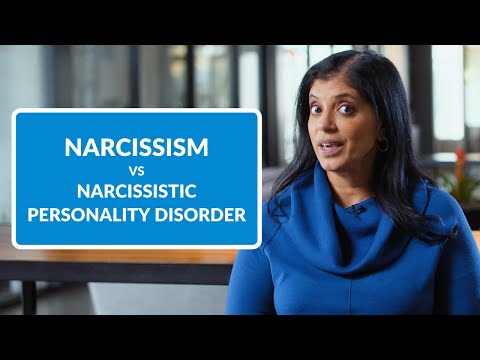
So, let’s talk about narcissism for a sec. You know, that thing we often think of as just being self-absorbed or a bit into yourself? Well, it’s way deeper than that.
This blog provides content for informational, educational, and reflective purposes only. The information published here does not constitute medical, psychological, or psychiatric advice, and it does not replace the evaluation, diagnosis, treatment, or individualized guidance of a properly licensed professional. If you believe you may be experiencing a psychological or health-related issue, consult a qualified professional as soon as possible before making important decisions about your well-being. Do not self-medicate or start, stop, or change medications, therapies, or treatments on your own. While we aim to provide useful and accurate information, we do not guarantee that it is complete, current, or suitable for every situation. Your use of this content is at your own risk, and reading it does not create a professional, clinical, or therapeutic relationship with the author or this website.
It can be tricky to spot in the wild. Some people might come off all charming and friendly at first, but then you realize there’s a whole lot more lurking beneath the surface. It’s like an ice cream cone—looks sweet at the top, but it can get messy real quick.
When it comes to mental health, understanding clinical narcissism is super important. Because guess what? It can really mess with relationships, work, and even your happiness.
But how do you actually assess it? That’s where things get interesting—and a little complicated too! So stick around; we’re about to unpack this together.
Comprehensive Narcissistic Personality Disorder Treatment Plan PDF: Your Guide to Recovery and Healing
Narcissistic Personality Disorder (NPD) can be tricky to navigate. A comprehensive treatment plan is essential for those dealing with this condition. Let’s break down how it works and what you can expect.
Narcissistic Personality Disorder Characteristics
People with NPD often have an inflated sense of self-importance, need excessive admiration, and struggle to empathize with others. This can lead to significant issues in relationships, both personal and professional. It’s frustrating for many, both those who have it and those around them.
Evaluating Narcissism
Before diving into treatment, it’s key to assess the level of narcissism in a person. Professionals might use structured interviews or standardized questionnaires to get a clear picture. This helps tailor the treatment approach specifically for the individual.
Components of a Treatment Plan
A solid treatment plan usually includes several elements:
- Therapy: Talking therapies like cognitive behavioral therapy (CBT) or psychodynamic therapy are popular choices. They help challenge distorted beliefs about self-worth.
- Support Groups: Connecting with others facing similar challenges can provide validation and insights, making someone feel less alone.
- Skills Training: Learning interpersonal skills is crucial. This might involve practicing empathy or developing better communication techniques.
- Medication: While there’s no specific medication for NPD, treating co-occurring symptoms like anxiety or depression is common.
The Role of Family Involvement
Including family in therapy sessions can be super helpful too! It gives loved ones a chance to understand what’s going on and learn how to support their person better. You know, being part of someone’s journey makes a huge difference.
The Healing Process
It’s important to remember that recovery doesn’t happen overnight. Seriously, progress can be slow and uneven—you might find good days mixed with difficult ones along the way.
Example? Take someone named Sarah who struggled with deep-seated feelings of inadequacy while exhibiting outward confidence—classic NPD traits. After starting therapy and joining a support group, she gradually started recognizing her patterns. With time—like many months—she began showing more empathy towards her friends’ struggles.
Conclusion
A comprehensive treatment plan for Narcissistic Personality Disorder isn’t just about modifying behaviors; it encourages genuine insight into one’s emotional world. Remembering that healing takes time helps set realistic expectations—you’re not alone in this process! So if you’re involved in this journey either personally or through supporting someone else, hang in there; progress is possible!
Understanding Narcissistic Personality Disorder: A Comprehensive DSM-5 Guide PDF
Narcissistic Personality Disorder (NPD) is one of those terms you hear a lot, but understanding it can be a little tricky. It’s like trying to untangle a mess of headphones—there’s a lot going on. So, let’s break it down.
NPD is marked by a pattern of grandiosity, need for admiration, and a lack of empathy. Basically, people with this disorder have an inflated sense of their own importance and often believe they’re special or unique. They may constantly seek validation from others while being indifferent to how their actions affect those around them.
In the DSM-5, NPD falls under the category of personality disorders. To be diagnosed with NPD, individuals typically must exhibit five or more specific traits, such as:
- Exaggerated sense of self-importance: They might brag about their achievements and expect to be recognized as superior.
- Preoccupation with fantasies: This could involve dreams of unlimited success, power, or beauty.
- Believing they are special: They often think only they can understand them or associate with other special people.
- Narcissistic exploitation: Using others to achieve their own goals without concern for feelings.
- Lack of empathy: A biggie! They struggle to recognize or care about other peoples’ feelings.
Now picture this: you’re at a party, and there’s this one person who just *has* to be the center of attention. They can’t stop talking about themselves—like how many exclusive vacations they’ve taken or their latest promotion at work. You try to share something cool that happened in your life, but they just nod along while already planning what they’ll say next. Super frustrating, right?
This kind of behavior isn’t just annoying; it can really strain relationships. The reality is that many folks don’t realize they’re exhibiting traits of NPD until someone points it out—or worse, until their relationships start falling apart.
When assessing clinical narcissism in mental health practices, therapists look for these patterns over time and in different contexts—like work and personal life—to get an accurate picture. Tools like self-report questionnaires and clinical interviews help because sometimes people aren’t fully aware (or honest) about how they come across.
Treatment isn’t straightforward either; therapy may focus on building empathy and addressing underlying issues contributing to the narcissism—for instance anxiety or past trauma. It’s not like flipping a switch; it takes time and effort from both sides.
NPD doesn’t have a magical cure but understanding it is the first step towards improving both individual lives and relationships affected by these patterns. So if you find yourself dealing with someone exhibiting these traits—or maybe even wondering if you fit into this mold—it’s good to keep in mind that help is available; there are better days ahead!
Understanding the 9 Key Criteria for Narcissistic Personality Disorder: A Comprehensive Guide
Narcissistic Personality Disorder (NPD) is one of those labels that gets thrown around a lot, but it’s more than just some buzzword. You might’ve seen people who are overly self-absorbed, but it goes deeper than just being a little vain. Here’s the thing: there are **nine key criteria** for diagnosing NPD according to the DSM-5, which is like the handbook for mental health professionals in the U.S.
1. Grandiosity in Self-Image: People with NPD often have an inflated sense of their own importance. They might brag about achievements or talents; you know, acting like they’re the best at everything. Like that friend who can’t stop talking about their promotion—every single time you hang out.
2. Preoccupation with Success: There’s this obsession with fantasies of unlimited success, power, beauty, or ideal love. It’s like they’re chasing a dream that no one else can reach and think they deserve it all.
3. Believing They Are Special: Those with NPD feel unique and think only other special people (or institutions) can understand them. It’s kind of sad when you think about it—like they’re in a club where no one else is invited.
4. Need for Excessive Admiration: This one’s a biggie! They thrive on praise and attention, needing constant validation to feel good about themselves. It’s almost like a plant needing sunlight; without compliments or admiration, they wilt.
5. Sense of Entitlement: People with NPD often expect favorable treatment and believe they deserve special privileges—like cutting in line because they think they’re too important to wait.
6. Being Interpersonally Exploitative: This means using others to get what they want without regard for their feelings or needs. So maybe they’re great at networking but not so hot at being a supportive friend.
7. Lack of Empathy: A huge part of NPD is not being able to recognize or care about other people’s feelings. Imagine someone scrolling through their phone while you’re sharing something important—it feels dismissive and hurtful.
8. Enviousness: This one can be tricky—they often feel envious of others or believe others are envious of them. It’s like that feeling when someone gets recognized for something you thought you deserved, but intensified times ten.
9. Arrogant Behaviors: Lastly, there’s this tendency to act haughty or superior which makes interactions tough because it can come off as really condescending.
Now let me tell ya: recognizing these traits isn’t just about labeling someone as “narcissistic.” Many folks might show one or two traits without having the disorder itself—context matters! And if you find yourself relating to some of these traits? That doesn’t mean you have NPD either; it’s always good to talk things through with someone qualified if you’re concerned, cause everyone has their moments where we all get caught up in our own heads sometimes!
So there it is! The nine criteria outlined in simple terms—no doctor speak here! Just remember: understanding this stuff helps us navigate our relationships better and recognize when things might be off balance.
Assessing clinical narcissism, huh? It’s one of those things that can really get under your skin in the mental health world. You might think, “Narcissism? Isn’t that just someone being full of themselves?” Well, yeah, kind of. But when we’re talking about clinical narcissism, it’s more layered than just someone who takes a lot of selfies or only talks about their achievements.
Clinical narcissism involves a real disorder—Narcissistic Personality Disorder (NPD). This is more than just a personality quirk. It’s like those layers of an onion; it can actually affect someone’s relationships and how they view the world. The reality is, people with this disorder often struggle with severe empathy deficits and a deep need for admiration. They might come off as charming at first but then become manipulative if they feel criticized or threatened.
I had this friend once—let’s call him Jake. He was super charismatic and everyone loved hanging out with him. But man, if you didn’t agree with him on something or offered any constructive feedback? It was like flipping a switch; he’d turn cold and defensive without warning. So talking about his feelings took some finesse, to say the least.
When professionals assess clinical narcissism, they’re not just looking at behaviors; they dig into patterns over time, like how someone interacts in relationships or copes with stress and setbacks. It’s quite a complex dance. They might ask pointed questions during therapy sessions or use standardized questionnaires to see where someone lands on the spectrum of narcissism.
But here’s where it gets tricky: A lot of folks don’t even realize they have these traits because their worldview feels so justified to them. So getting them to acknowledge any vulnerabilities becomes quite an uphill battle! You know what I mean?
There’s definitely no cookie-cutter approach here either. Each assessment can vary based on the individual’s history and environment. And let’s be real—understanding narcissism is crucial for treatment too because tailoring therapy around those unique needs can make all the difference.
So yeah, assessing clinical narcissism isn’t just about checking boxes on a form; it’s this intricate process that requires patience and empathy from both sides—the professional and the individual being assessed. And honestly? Just having awareness about these traits in ourselves or others can help us navigate relationships better in life—no drama necessary!