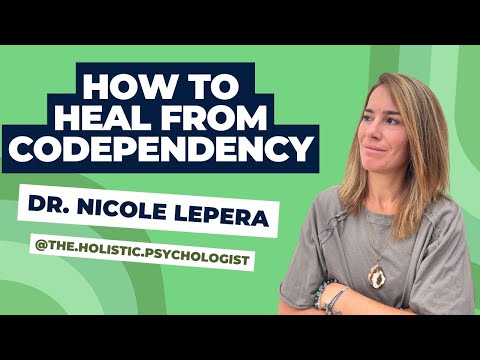
You know that feeling when you’re so wrapped up in someone else’s life that you kinda lose track of your own? Yeah, that’s codependency, and it can be a real trap.
This blog provides content for informational, educational, and reflective purposes only. The information published here does not constitute medical, psychological, or psychiatric advice, and it does not replace the evaluation, diagnosis, treatment, or individualized guidance of a properly licensed professional. If you believe you may be experiencing a psychological or health-related issue, consult a qualified professional as soon as possible before making important decisions about your well-being. Do not self-medicate or start, stop, or change medications, therapies, or treatments on your own. While we aim to provide useful and accurate information, we do not guarantee that it is complete, current, or suitable for every situation. Your use of this content is at your own risk, and reading it does not create a professional, clinical, or therapeutic relationship with the author or this website.
It sneaks in, like an unwelcome guest. Suddenly, you find yourself putting their needs ahead of yours—always.
But here’s the thing: breaking free is totally possible. Seriously. It might feel daunting at first, but with a little courage and some honesty with yourself, you can navigate those choppy waters.
And guess what? You don’t need to turn to unhealthy habits or addiction to do it.
So, let’s chat about how you can reclaim your sense of self and find balance again. Sounds good?
Exploring the Link Between Codependency and Addiction: Understanding the Risks
Codependency and addiction often dance together in a complicated relationship. If you’ve ever found yourself heavily relying on someone else’s moods or habits to feel good about yourself, you might be diving into the waters of codependency. The thing is, codependency can lead to some serious risks, especially concerning addiction.
So what’s codependency? Well, it’s when you get so wrapped up in someone else’s life that your own needs take a backseat. You might think you’re helping by being supportive, but it can become toxic. It’s like this tightrope walk where you’re trying not to fall into their emotional chaos.
Now let’s connect that with addiction. When you’re codependent, you might enable someone else’s substance use or unhealthy behavior because you fear losing them or want to avoid confrontation. It’s not just about drugs or alcohol; it can be any kind of addictive behavior—like compulsive gambling or even binge-watching shows instead of doing your own thing.
Here are a few key risks:
- Loss of Identity: You might start losing sight of who you are as you prioritize another person’s needs over your own.
- Emotional Turmoil: Your emotional wellbeing takes a hit when you’re constantly worrying about someone else’s choices.
- Addiction Patterns: If the person you’re dependent on turns to drugs or alcohol, there’s a risk you’ll start leaning on those substances too—just to cope.
I remember this story about a friend who became obsessed with her partner’s drinking habits. She would organize all her plans around him, making sure he was okay first. Eventually, she found herself drinking just to keep up with him and quell her anxiety—talk about a slippery slope!
Breaking free from this cycle is tough but doable. First off, recognizing you’re in a codependent pattern is crucial. Maybe try setting small boundaries for yourself—like taking time just for your interests without the other person tagging along. This helps you reclaim your identity and focus on self-care.
Therapy can also be super helpful here. A therapist can guide you through understanding why you’re drawn into these dynamics and keep an eye on any emerging addictive behaviors as well.
In the end, breaking this cycle means learning how to love and support others without losing yourself in the process. Remember, your mental health matters too!
10 Effective Strategies to Break Free from Codependency and Embrace Independence
Codependency is one of those tricky things that can sneak into relationships, making you feel like you’re tied to someone else’s happiness. If you’ve ever felt like your emotions are wrapped up in another person or that your needs take a back seat to theirs, you know what I mean. The journey to breaking free from codependency and stepping into your own independence isn’t a walk in the park, but it’s totally doable. Here are some effective strategies to help you find that freedom.
1. Recognize Your Patterns
The first step is really understanding what codependency looks like for you. Maybe you always prioritize others over yourself, or perhaps you’re constantly trying to fix people’s problems. Take some time to think about how these behaviors show up in your life.
2. Set Boundaries
Boundaries are super important when it comes to codependency. They teach people how to treat you and help you protect your emotional energy. Start small—maybe there’s a friend who expects too much from you? Let them know when you’re not available or when they’re crossing the line.
3. Practice Self-Care
You can’t pour from an empty cup, right? Make self-care a priority in your life. This doesn’t have to be extravagant; it could be as simple as taking a long shower, reading a good book, or going for a walk outside. Think of self-love like charging your phone—it keeps you running smoothly!
4. Seek Professional Help
Sometimes, we all need someone objective in our corner—enter therapy! A good therapist can help guide you through unlearning codependent behaviors and building healthier relationships with yourself and others.
5. Learn to Say No
It sounds simple but trust me, saying «no» is powerful! You don’t have to take on every request or favor thrown your way just because someone asks it of you. Practice saying no without guilt; it’s all part of claiming your independence!
6. Focus on Your Interests
Rediscover hobbies or passions that make *you* happy! Whether it’s painting, hiking, or baking—engage in activities that let you express yourself without the influence of someone else’s preferences.
7. Build a Supportive Network
Surround yourself with friends and family who respect your boundaries and encourage your independence. Having supportive people around can make all the difference when you’re trying to break old habits.
8. Embrace Your Feelings
It’s okay to feel sad, anxious, or even lost during this process—it doesn’t mean you’re failing! Allowing yourself to feel those things instead of pushing them down will help pave the way for healing and growth.
9. Reflect on Relationships
Evaluate who you’re spending time with and how those relationships impact your sense of self-worth and independence. If certain relationships drain you rather than uplift you, it might be time for a change.
10. Celebrate Small Wins
Every step counts! Whether it’s setting a boundary or having an enjoyable day by yourself—acknowledge those victories! Celebrating progress keeps motivation alive and reminds you how far you’ve come.
Finding freedom from codependency isn’t about cutting ties; rather it’s about nurturing *yourself* while still nurturing those connections around us (because healthy ones matter!). It takes effort and patience—but oh man, does embracing independence feel good!
Breaking Free from Codependency: Effective Strategies for Healing and Independence
Breaking free from codependency can feel like trying to untangle a mess of Christmas lights after a long holiday season—frustrating and sometimes overwhelming. But it’s absolutely possible. So, let’s dive into some effective strategies for healing and finding your independence.
Understanding Codependency
First things first, codependency is all about relying too much on someone else for your emotional needs. It creeps in when you sacrifice your own happiness for another person’s well-being, often to the point where you lose sight of who you are. You may start feeling anxious when separated from this person or find yourself constantly trying to fix their problems. It’s like living in a constant rollercoaster of emotions.
Recognizing the Signs
You might be wondering if you’re actually dealing with codependency. Here are some signs to watch out for:
- You feel responsible for other people’s feelings.
- Your self-esteem is tied too closely to someone else’s approval.
- You avoid conflict at all costs, even if it means compromising what you want.
- You have trouble setting healthy boundaries.
Recognizing these signs is the first step toward change, so take a moment and reflect on your relationships.
Establishing Boundaries
One of the best things you can do is learn how to set healthy boundaries. It’s like putting up a fence around your garden—you’re protecting what matters! Start small by saying no to little requests that don’t serve you. For example, if a friend constantly asks for favors that drain your energy, try saying something like, “I can’t help this time.” You don’t have to over-explain; just keep it simple.
Building Self-Esteem
Next up is boosting your self-esteem. When you’re stuck in codependency, it’s easy to forget how amazing you are! Start recognizing your strengths—maybe you’re really great at listening or have an interesting hobby you excel in. Keep a journal where you jot down things that make you proud or happy about yourself every day.
Picture this: Sarah always put her partner’s needs before her own until one day she decided to list out all her accomplishments—big and small. That list became her daily reminder that she mattered too.
Practicing Self-Care
Self-care isn’t just bubble baths and cupcakes (though those are nice!). It’s about doing things that nourish your mind and body. This can be anything from taking regular walks in nature, experimenting with new recipes, or even picking up yoga classes. Whatever fills your cup! When you take care of yourself, you’re less likely to seek validation from others.
Seeking Professional Support
Sometimes it helps to talk to someone who gets it—like a therapist or counselor trained in dealing with codependency issues. They can provide tools tailored specifically for you and help guide the process of breaking those old patterns without judgment.
Always remember: reaching out for help is not a sign of weakness; it’s an act of courage and growth!
Developing Independence
As you work through these strategies, focus on developing your own interests outside any relationships. Maybe join clubs related to hobbies you’ve always wanted to explore but never made time for! This expansion will lead not just toward independence but will also enrich your life overall.
Learning how to enjoy time alone can be empowering too! Whether it’s binge-watching shows solo or going out for coffee by yourself—get comfortable being with *you*!
In this journey away from codependency, keep reminding yourself: it’s okay to prioritize *your* needs as much as anyone else’s. Embrace the process—it might not always be easy but hey—it’ll definitely be worth it!
Breaking free isn’t an overnight thing; it’s more like peeling layers off an onion—slowly but surely revealing the vibrant person underneath all those protective layers you’ve built over time!
You know, breaking free from codependency can feel like trying to untangle a ball of yarn—messy, frustrating, and sometimes you just wanna throw it all away. I remember a friend of mine who was always there for her partner, like a shadow. She’d drop everything to cater to his needs, even if it meant neglecting her own well-being. The thing is, while she thought she was being supportive, it kinda ate away at her sense of self.
So what exactly is codependency? Well, it’s that intense reliance on someone else for emotional support or validation. You start feeling like your happiness hinges on another person’s mood or actions—a real slippery slope! It kinda sneaks up on people and then boom! You realize you don’t even know who you are without that other person.
Breaking free means recognizing patterns first. Like my friend—she had some hard moments figuring out that her world shouldn’t revolve around someone else. It was more than just wanting to be helpful; she had built her identity on being the caretaker. That realization? Man, it hit hard.
But here’s the thing: breaking away doesn’t have to mean jumping into addiction or all-or-nothing thinking. Instead of replacing one dependency with another—like using substances or unhealthy habits—you can build a new foundation for yourself grounded in self-love and independence.
Start finding what makes you happy outside those relationships. Take up a hobby! Seriously, anything from painting to hiking can help you reconnect with yourself. And don’t underestimate the power of talking things out with someone—a therapist or trusted friend can provide that safe space where you can finally breathe and figure things out.
It’s not easy; there’ll be slip-ups along the way—you might find yourself revisiting old habits now and then—but remember those small victories matter too! Just last week, my friend texted me saying she had gone out alone for coffee instead of waiting for her partner to join her. That small step felt massive for her.
Breaking free from codependency is about reclaiming your time and space without looking for validation elsewhere. It takes patience and practice but trust me, growth feels so much better than clinging onto something unhealthy. You got this!