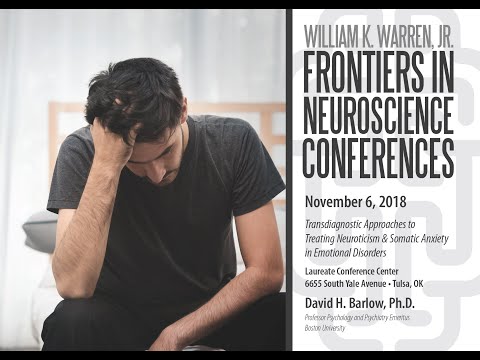
You know that feeling when your heart races, and you can’t quite catch your breath? Yeah, that’s anxiety creeping in.
This blog provides content for informational, educational, and reflective purposes only. The information published here does not constitute medical, psychological, or psychiatric advice, and it does not replace the evaluation, diagnosis, treatment, or individualized guidance of a properly licensed professional. If you believe you may be experiencing a psychological or health-related issue, consult a qualified professional as soon as possible before making important decisions about your well-being. Do not self-medicate or start, stop, or change medications, therapies, or treatments on your own. While we aim to provide useful and accurate information, we do not guarantee that it is complete, current, or suitable for every situation. Your use of this content is at your own risk, and reading it does not create a professional, clinical, or therapeutic relationship with the author or this website.
But here’s the thing: it’s not all in your head. There’s this whole body connection going on too—like how your stomach feels like a rollercoaster during a stressful moment. So wild, right?
Let’s talk about cognitive and somatic anxiety. They sound fancy, but they’re really just different ways our bodies react to stress. Trust me; we all deal with it at some point.
Like, maybe you’ve felt super jittery before an exam or a big presentation? Or had those butterflies in your stomach before meeting someone new?
This stuff can really mess with your day-to-day life! So grab a comfy seat and let’s break it down together, because navigating through this can help you feel a lot more chill in the long run.
Effective Cognitive Behavioral Treatments for Managing Anxiety and Stress-Related Disorders
Cognitive Behavioral Therapy (CBT) is like the go-to game plan when it comes to managing anxiety and stress-related disorders. It dives into how your thoughts, feelings, and behaviors are all tangled up together. You know what I mean? It’s like a big jumble of yarn that needs some untangling. This therapy helps you recognize those negative thought patterns that can spiral out of control.
1. Identifying Cognitive Distortions
One of the first things you’ll tackle in CBT is those pesky cognitive distortions. These are basically thoughts that aren’t quite accurate or helpful. For example, if you’re at a party and think everyone is judging you, that’s not really fair to yourself, right? Learning to spot these distortions is key.
2. Behavioral Experiments
CBT also uses something called behavioral experiments. This means you might challenge those distorted thoughts by testing them out in real life. Think about this: if you fear speaking up in meetings because you think you’ll embarrass yourself, you could try it out in a safe setting first. Often, the result will be much less scary than you imagined!
3. Mindfulness Techniques
Have you heard about mindfulness? It’s become pretty popular lately! This isn’t just about sitting quietly; it’s more about being present without judgment. In CBT, mindfulness techniques can help ground you during anxious moments. You might focus on your breathing or even do a quick body scan to see how you’re feeling physically.
4. Exposure Therapy
Another powerful tool in CBT is exposure therapy—this sounds intense but stick with me here! If something makes you anxious (like spiders or social situations), you’ll gradually face that fear in a controlled way. Over time, this desensitization helps reduce your anxiety response.
5. Coping Strategies
Developing coping strategies is another essential piece of the puzzle. Talking with a therapist can help create personalized tools for handling stress when it hits hard—things like journaling, deep breathing exercises, or even simple physical activities can fit here.
You may have heard people mention somatic anxiety too—that’s when anxiety triggers physical symptoms like racing hearts or sweating palms—classic fight-or-flight stuff! Cognitive approaches within CBT can address these by helping manage the mental processes that lead to those runaway symptoms.
In short, effective CBT for managing anxiety and stress-related disorders isn’t just therapy; it’s an active partnership between you and your therapist focused on reshaping your perspectives and reactions over time.
Seeing progress might take time though—that’s totally normal! Remember: each little step counts toward feeling better in your own skin again!
Understanding CBT for Somatic Symptom Disorder: Free PDF Guide
So, let’s chat about something called **Cognitive Behavioral Therapy (CBT)**, especially as it relates to **Somatic Symptom Disorder (SSD)**. Now, SSD is when someone experiences physical symptoms that feel very real but don’t have a clear medical explanation. This can be super frustrating and confusing for both the person experiencing it and the doctors trying to help.
CBT is where it gets interesting. This form of therapy focuses on how our thoughts and feelings can impact our physical health. Basically, what you think can influence how you feel physically. If you’re constantly worrying about your health, for example, that worry can lead to more physical discomfort.
Here are some key things about CBT in the context of SSD:
- Thought Patterns: CBT helps you identify negative thought patterns. If you catch yourself thinking, “I’m always going to be sick,” a therapist would work with you to challenge that thought.
- Behavior Changes: The therapy encourages you to engage in activities that distract or help reduce anxiety around those symptoms. Like if going for a walk feels good instead of lingering on those sensations.
- Emotion Regulation: You’ll learn skills to better manage your emotions. It’s about creating space between what you’re feeling and how you react to it.
- Mindfulness Techniques: Often used within CBT, these techniques help you stay present rather than getting lost in worries about your symptoms.
A short story might help illustrate this. Imagine Sarah, who’s been feeling a tightness in her chest. She goes from doctor to doctor, but everything looks fine physically. Feeling ignored by everyone only makes her stress worse—so she starts avoiding activities she once loved because she thinks they’ll trigger her symptoms.
Then she begins CBT with a therapist who helps her recognize those anxious thoughts—like “What if I have something serious?” They work on challenging those ideas while encouraging Sarah to take small steps towards moving again, like joining a yoga class or simply taking deep breaths during moments of panic.
By tackling those thoughts and gradually re-engaging with life, Sarah begins noticing less tightness in her chest—not because her body’s magically healed but because she’s learned how much control her mind has over her body.
It’s important to note that while CBT can be super helpful for Somatic Symptom Disorder and many other anxiety-related issues, everyone’s experience is unique. Just like Sarah’s story shows us—you can change your relationship with your symptoms through understanding and practice.
In addition, if you’re interested in more detailed insight into this therapy method specifically geared toward SSD—a **free PDF guide** could provide deeper knowledge on coping strategies or exercises related directly to this topic. Just remember: healing is often not linear and it’s okay to seek support along the way!
Understanding Cognitive Anxiety: Causes, Symptoms, and Coping Strategies
Cognitive anxiety? It’s one of those things that can feel like you’re carrying a backpack stuffed with bricks, and you’re not even sure why. So, let’s break it down. Basically, cognitive anxiety is all about your thoughts and how they affect your feelings and actions. When your mind is racing with worry or fear about future events, it can really mess with your day-to-day life.
Causes of cognitive anxiety can vary widely from person to person. One reason might be past experiences. If you’ve ever faced a high-pressure situation—like giving a speech or taking an exam—you might find those anxious thoughts creeping back in when similar situations come up again.
- Stressful life changes: Moving to a new city or starting a new job can shake things up in your head.
- Perfectionism: When you hold yourself to impossibly high standards, it’s easy to spiral into anxiety over every little mistake.
- Environmental factors: Sometimes just being in loud or chaotic places can trigger anxious feelings.
You know that feeling when you’re sitting at a table, and suddenly all you can think about is that weird sound the chair makes? You want to focus on the conversation but can’t stop worrying about it? That’s cognitive anxiety in action. It pulls you away from the here and now, making it tough to enjoy life.
Symptoms? Those are sneaky too. They often show up without warning. Some common signs include:
- Constant worry that won’t quit—it’s like being stuck on repeat.
- Difficulty concentrating; you might feel like there are too many tabs open in your brain.
- A sense of impending doom; that nagging feeling something awful is just around the corner.
If this sounds familiar, don’t sweat it—many people experience this! You are definitely not alone in this boat.
Coping strategies can help keep those pesky thoughts at bay. Here are some ways you can navigate through cognitive anxiety:
- Meditation or mindfulness: Taking just a few minutes to breathe deeply and focus on the moment can really clear some mental fog.
- Talking it out: Sometimes sharing what’s on your mind with someone you trust brings relief—seriously!
- Journaling: Writing down your thoughts lets them spill out and helps reduce their grip on you.
The thing is, we all grapple with our minds at times. It’s perfectly okay to seek help if those feelings start feeling overpowering. Like many others have discovered before, reaching out for support isn’t weakness; it’s strength! You deserve some peace amidst the chaos of thoughts—you really do!
You know, anxiety can really mess with our heads in two ways: cognitively and somatically. Let’s break that down for a sec. Cognitive anxiety is all about those racing thoughts, like you can’t quiet your brain no matter how hard you try. Ever had one of those nights where you just can’t sleep because your mind is replaying old conversations or worrying about tomorrow? Yeah, that’s cognitive anxiety at work.
On the flip side, there’s somatic anxiety, which shows up in our bodies. Picture this: your heart’s racing, you’re sweating buckets, or maybe you feel like you can’t catch your breath. It’s wild how these two forms of anxiety are interconnected. It’s like your mind and body are having a full-on argument about who gets to freak out more.
I remember chatting with a friend once who was juggling a lot at work and home. She’d been feeling super stressed but didn’t realize it was manifesting physically too—tight shoulders, headaches—you name it. It wasn’t until she took a step back and recognized that her thoughts were spiraling that she got to the root of it all. Sometimes just naming what you’re feeling helps untangle that knot.
So how do we navigate this tricky terrain? Well, first off, awareness is key. You’ve got to tune into what your brain is yelling about while also checking in on how your body is reacting. Maybe try some grounding techniques when both sides start to flare up—take deep breaths or do some light stretching.
And hey, talking to someone—a friend or even a therapist—can be super helpful too. It’s amazing how sharing what’s going on in your head can ease both cognitive and somatic symptoms. You’re not alone in this; many people experience these things.
At the end of the day, dealing with anxiety isn’t just about managing feelings; it’s about taking care of yourself holistically—mind and body together. So be kind to yourself as you navigate through it all; it’s not an easy road but recognizing what’s happening is a big step forward!