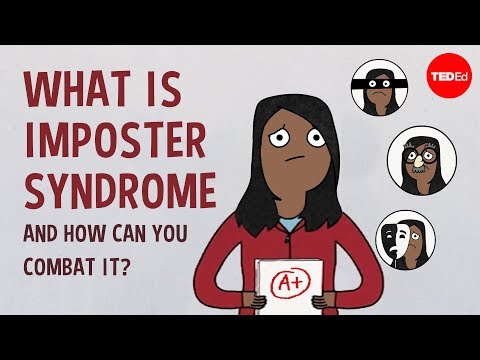
You know that nagging feeling? The one that tells you you’re not good enough? Yeah, that’s Imposter Syndrome.
This blog provides content for informational, educational, and reflective purposes only. The information published here does not constitute medical, psychological, or psychiatric advice, and it does not replace the evaluation, diagnosis, treatment, or individualized guidance of a properly licensed professional. If you believe you may be experiencing a psychological or health-related issue, consult a qualified professional as soon as possible before making important decisions about your well-being. Do not self-medicate or start, stop, or change medications, therapies, or treatments on your own. While we aim to provide useful and accurate information, we do not guarantee that it is complete, current, or suitable for every situation. Your use of this content is at your own risk, and reading it does not create a professional, clinical, or therapeutic relationship with the author or this website.
It’s wild how many of us deal with it, especially in mental health. Like, seriously. You can be doing everything right, yet still feel like a fraud.
I had a friend who nailed her job interview. But instead of celebrating, she couldn’t shake this thought: “What if they find out I’m not that smart?”
It’s exhausting, isn’t it? Always second-guessing yourself and feeling like you’re faking it. Let’s chat about it and figure this out together.
Empowering Your Loved Ones: Effective Strategies to Overcome Imposter Syndrome
Imposter syndrome can be like this pesky little shadow that follows you around, whispering doubts in your ear. It makes you feel like a fraud, even when you’ve got the skills and accomplishments to back it up. If someone you care about is grappling with this, there are effective ways to support them—ways that can really help them break free from those nagging feelings of inadequacy.
First off, listen actively. When they open up about their self-doubt, just be there. Don’t rush to fix it or give advice right away. Sometimes, people just need to vent. You could say something like, “I totally get it; I feel that way sometimes too.” That shared experience can make them feel less isolated.
Another strategy is to celebrate their achievements, no matter how small they seem. It’s easy for someone with imposter syndrome to downplay their success or brush it off like it doesn’t matter. So remind them of what they’ve done well and why it’s important. For instance, if they’ve finished a tough project at work, acknowledge the effort and time that went into that achievement!
Also, help them challenge those negative thoughts. Encourage your loved one to question the validity of their self-critical beliefs. When they say things like “I only succeeded because I got lucky,” gently prompt them with questions like “But what did you do right?” This way, they learn to reframe those thoughts and see things more clearly.
You might try introducing them to affirmations. These are positive statements that can help change their mindset over time. Something simple like “I am capable and deserving of my success” can remind them of their worth when repeated regularly.
It’s also crucial for your loved one to recognize that they’re not alone in feeling this way. Some really successful people have talked publicly about imposter syndrome! People like Maya Angelou and Albert Einstein have admitted they felt frauds at times too! Sharing these stories can help normalize what they’re feeling.
Encourage self-compassion. Help them understand that it’s okay not to be perfect all the time—everyone has flaws and makes mistakes! You know how some days you’re on top of the world and other days you just can’t? That’s life! It’s about learning and growing rather than being perfect.
Suggest finding someone who understands this struggle—a mentor or a therapist—who can provide professional guidance as well as support. Sometimes speaking with an expert provides insights that friends may not be able to offer.
Finally, remind your loved one about the importance of taking care of themselves—physically and mentally. Regular exercise, a balanced diet, enough sleep; these things do wonders for our mood and mindset! They’re crucial in maintaining overall mental health.
Empowering someone dealing with imposter syndrome takes patience but proving that you’re in their corner means the world to most people. So stay supportive while they navigate through those heavy feelings—it really does make a difference!
Understanding Crippling Imposter Syndrome: Causes, Effects, and Overcoming Strategies
Alright, so let’s talk about imposter syndrome. It’s that annoying feeling where you think you’re a fraud, even when you’re totally qualified and doing great things. Picture this: you just got a promotion at work. Sounds awesome, right? But instead of celebrating, you’re thinking, “They must’ve made a mistake. I really don’t deserve this.” That’s imposter syndrome in a nutshell.
Causes of imposter syndrome can be pretty complex. For some folks, it starts in childhood. Maybe parents set super high expectations or compared them to siblings. You might always feel like you have to prove yourself. Or perhaps it’s your workplace culture? If everyone around you is constantly striving for more, it’s easy to feel inadequate.
- Perfectionism: If you’re someone who believes anything less than perfect is failure, the pressure can be overwhelming.
- Family Background: Growing up in an environment where achievements are valued over effort can lead to chronic self-doubt.
- Work Environment: High-stakes jobs or competitive fields often foster insecurity among even the most capable individuals.
- Stereotype Threat: Sometimes, being part of a marginalized group can trigger feelings of being an outsider, which adds to self-doubt.
No wonder people dealing with this stuff feel worn out. The effects are real and they can spiral into anxiety and depression. It’s like walking on eggshells all the time—never feeling good enough and constantly worrying you’ll be exposed as a fraud. Stress levels skyrocket; focus goes down the drain; mental health takes a hit.
If you’ve ever caught yourself saying things like “I only got here because I’m lucky” or “Just wait until they find out I’m not as capable as they think,” then yeah—you’re wrestling with those thoughts too.
The good news? There are ways to combat this thing! Here are some strategies that might help:
- Acknowledge Your Feelings: Accept that what you’re feeling is valid, but don’t let it control you.
- Talk About It: Seriously, sharing your feelings with trusted friends or mentors can help lighten that heavy load.
- Savor Your Successes: Keep track of your achievements. When doubt creeps in, look back at all you’ve accomplished!
- Cultivate Self-Compassion: Treat yourself like you’d treat a friend in your shoes—be kind!
You know what else can help? Therapy! Sometimes just having an outside perspective makes a huge difference. A therapist can give you tools and techniques tailored just for your situation; so don’t hesitate if that feels right for you!
This journey isn’t easy; overcoming imposter syndrome takes time and practice. But with support and self-compassion sprinkled on top, it’s totally doable! Just remember: you’re not alone in feeling this way—many successful people battle these feelings daily.
If there’s one thing I want to leave you with: Your worth isn’t tied to achievements. It’s about who you are at the core—and that’s way beyond any job title or accolade!
Overcoming Imposter Syndrome: Strategies to Manage Mental Health Symptoms Effectively
Imposter syndrome is that nagging feeling you get when you think you’re not good enough or that you don’t deserve your success. It’s like wearing a mask, convincing others you’re competent while deep down, you’re convinced you’ll get found out any minute. Sounds familiar? Yeah, it’s a struggle many of us face.
The thing is, overcoming imposter syndrome isn’t about just snapping your fingers and making it go away. It takes some work and patience. Here are some strategies that can seriously help you manage those pesky mental health symptoms:
- Recognize Your Feelings: Acknowledging imposter feelings is the first step. When you feel inadequate or like a fraud, name it! Just saying to yourself, «Okay, I’m feeling like an imposter right now,» can help create a mental distance.
- Talk About It: Seriously, talking can be transformative. Whether it’s with friends or a therapist, share how you’re feeling. You’d be surprised how many people relate. I once shared my struggles at work with a colleague and realized she had the same fears!
- Challenge Negative Thoughts: Those thoughts? They’re often wrong! Try to question their validity. Ask yourself: «What evidence do I have that supports this thought?» This can help you flip the script on those pesky self-doubts.
- Celebrate Your Achievements: Give yourself credit for your successes—big or small! Keep a journal of accomplishments and read through it when those doubts creep in.
- Set Realistic Goals: Instead of aiming for perfection (which doesn’t exist), focus on achievable goals. Break tasks into smaller parts so they feel more manageable. This shift in perspective helps reduce that overwhelming pressure.
- Avoid Comparing Yourself to Others: Social media can make this tough! Remember that everyone has their own battles. People usually show their highlight reels online—it’s not the whole truth.
The struggle with imposter syndrome is real, but it doesn’t have to define you or your path forward. You’ve got what it takes—even if sometimes it doesn’t feel like it! Start small with these strategies; over time they can make a significant difference in how you view yourself and your worth. Embracing vulnerability might be scary at first, but trust me—it’s so worth the journey!
Imposter syndrome can feel like this sneaky little voice in your head, whispering doubts at the most inconvenient times. You know? Like, you’re sitting there at work, feeling pretty proud of what you’ve accomplished, and then it hits you: “Who do you think you are?” It’s exhausting!
I was chatting with a friend who works in therapy, and she told me about this moment when she felt like a total fraud. She was leading a group session and thought everyone could see right through her, like they’d shout, “You’re not qualified for this!” But here’s the kicker—she is qualified! It just didn’t matter to that voice inside her head.
Imposter syndrome often creeps up when we compare ourselves to others. You see someone else thriving and suddenly you’re wondering if you’ve got any right to be where you are. Like, have you ever found yourself scrolling through social media, watching people flaunt their successes? It can be a real downer. Every post triggers that nagging feeling of inadequacy. You think, «Wow, they’re so much better than me,» even though deep down you know everyone has their struggles.
But battling imposter syndrome isn’t just about quieting that annoying voice. It’s about embracing vulnerability and recognizing that it’s completely normal to feel out of your depth sometimes. Seriously! Even the most seasoned professionals experience these feelings now and then.
Finding community helps too. Connecting with others who get it can be such a relief—like being part of this exclusive club where everyone shares their messiness. You realize you’re not alone in this crazy journey of self-doubt.
So yeah, if you’re wrestling with imposter syndrome in the mental health space or anywhere really, remember it doesn’t define your worth or abilities. Sometimes it’s just part of being human. The trick is learning to acknowledge it without letting it control your narrative—or stop you from shining in your own unique way!