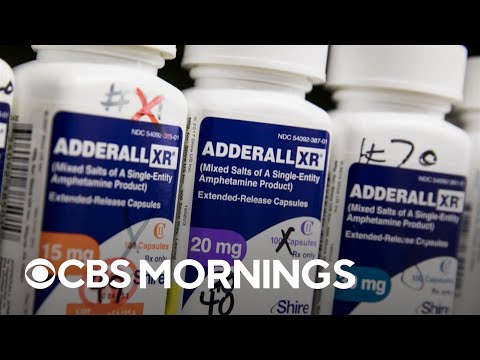
So, have you heard about CVS and Adderall? Yeah, it’s kind of a big deal right now. They’re putting some holds on prescriptions for the stuff.
This blog provides content for informational, educational, and reflective purposes only. The information published here does not constitute medical, psychological, or psychiatric advice, and it does not replace the evaluation, diagnosis, treatment, or individualized guidance of a properly licensed professional. If you believe you may be experiencing a psychological or health-related issue, consult a qualified professional as soon as possible before making important decisions about your well-being. Do not self-medicate or start, stop, or change medications, therapies, or treatments on your own. While we aim to provide useful and accurate information, we do not guarantee that it is complete, current, or suitable for every situation. Your use of this content is at your own risk, and reading it does not create a professional, clinical, or therapeutic relationship with the author or this website.
And it’s not just about pills and pharmacies. This whole thing has real effects on people. You know how hard it is for folks with ADHD already, right? Imagine trying to manage that without your meds.
It’s kind of wild when you think about it. Like, what does that mean for mental health in general? We gotta talk about this—trust me! Let’s unpack what’s really going on here and why it matters to so many of us.
Understanding the Long-Term Use of Adderall: How Many Years is Safe?
Long-term use of Adderall, a medication often prescribed for ADHD, can be a hot topic. You may be curious about how many years of usage is considered safe and what that even means for your mental health down the line.
Let’s start with the basics. Adderall is a stimulant that works by increasing certain chemicals in the brain, like dopamine and norepinephrine. This can help improve focus and reduce impulsivity, which is great for folks dealing with ADHD. But it’s also a powerful drug that can lead to concerns over time.
You might wonder: **How long is too long?** Well, there isn’t a one-size-fits-all answer. Many doctors suggest using it only as needed or for shorter durations to manage symptoms while reducing risks. Some people might take it safely for several years under close medical supervision, while others could face issues even after just a few months.
When we talk about long-term use influencing mental health, it gets tricky. Some people will experience side effects like anxiety or sleep disturbances after prolonged usage. Others might develop tolerance, meaning they need more of the medication to feel the same effects over time. And trust me, that’s not something you want to mess with.
The general guidelines recommend regular check-ins with your doctor if you’re on Adderall long-term. They’ll typically look at factors such as:
- Your response to treatment: Are you still benefiting from it?
- Possible side effects: Are there any new symptoms?
- Your overall mental health: Is there an uptick in anxiety or depression?
It’s crucial to listen to your body and communicate with your healthcare provider about how you’re feeling.
Now let’s think about a real-life scenario: Imagine someone named Jamie who started taking Adderall in college. At first, it seemed like magic; she could finally focus on her studies without feeling overwhelmed. Fast forward five years later—Jamie starts feeling super anxious every morning before class and has trouble sleeping at night. She had been using Adderall every day without much thought until her friend pointed out that maybe she should check in with her doctor.
That kind of situation isn’t uncommon! So many folks get into this cycle where they just keep going because the short-term benefits seem worth it at first glance.
Also, don’t forget about potential withdrawal symptoms if someone decides to stop suddenly after being on it for years—it can get pretty intense. The longer you’re on Adderall, especially without breaks or adjustments in dosage, the more likely those withdrawal symptoms can hit hard.
In summary, while some people can take Adderall safely for years with proper monitoring, it’s essential to keep an eye out for changes and talk openly with your healthcare provider about any concerns that come up along the way. Everyone’s experience is unique—what works for one person may not work for you! Just remember: staying informed and proactive about mental health is key!
Understanding the Long-Term Side Effects of Adderall in Women: What You Need to Know
Understanding the long-term side effects of Adderall in women is really important, especially with all the conversations happening around mental health and medication these days. Many women take Adderall to manage ADHD, but it’s essential to know what can happen after prolonged use.
First off, Adderall is a stimulant. This means it helps increase focus and attention by boosting certain chemicals in the brain. But long-term use can lead to some not-so-great side effects that you might want to keep on your radar.
- Dependency: One of the biggest concerns is developing a dependency or addiction. If you’ve been taking it for a while, your body can start relying on it just to feel normal. This isn’t just about feeling «high»; it can mess with your mood and energy levels when you’re not on it.
- Heart issues: Prolonged use has also been linked to cardiovascular problems. We’re talking about increased heart rate and blood pressure here. It’s definitely something your doctor should monitor if you’re on this medication long-term.
- Mood changes: You may also experience mood swings or anxiety over time. Some women report feeling more irritable or down than they did before taking Adderall, which kinda defeats the point if you’re trying to manage ADHD symptoms, right?
- Insomnia: Trouble sleeping? That’s another common issue. Adderall can affect your sleep patterns, leading you to feel tired during the day even if you’ve had enough sleep.
- Nutritional deficiencies: It’s interesting but makes sense—stimulants can suppress appetite. Women might not eat enough healthy foods while on Adderall, leading to nutrient gaps that impact overall health.
Thinking back on a friend of mine who was prescribed Adderall: at first, she felt like superwoman—she could tackle her busy schedule without breaking a sweat! But as months went by, her mood swings became pretty severe; she would get frustrated over little things and struggle with feelings of anxiety that hadn’t been there before.
Now, let’s chat about mental health stuff specifically for women. Research indicates that women might experience different side effects compared to men due in part to hormonal fluctuations throughout their cycles. This could mean increased sensitivity to some of those negative effects mentioned earlier.
Plus, when CVS holds medications like Adderall due to supply issues or other reasons (you know how tricky that can be), it forces people into sudden changes in their routine that could heighten those withdrawal symptoms too.
To wrap this up: while many find relief from ADHD symptoms with Adderall, being aware of the long-term effects—like dependency or mood issues—is crucial for making informed decisions about your health. Having open conversations with healthcare providers about any concerns is super important too.
Always remember: **your body is unique**, and what works for one person may not work for another!
Exploring the Long-Term Effects of Adderall on Adult Mental Health: What You Need to Know
Adderall is a medication often prescribed for attention deficit hyperactivity disorder (ADHD). It can help improve focus and reduce impulsivity. However, if you’re using it long-term or know someone who is, it’s important to understand its effects on mental health.
First off, let’s talk about the basics. Adderall contains amphetamine salts. These stimulate the brain’s neurotransmitters like dopamine and norepinephrine. You might feel a boost in concentration, but there can be a flip side to that coin.
So, what are some long-term effects? Well, here are a few things to consider:
- Anxiety: Some people report increased anxiety levels after prolonged use. Imagine feeling jittery or on edge instead of calm and focused—it’s not fun.
- Depression: Once the medication wears off or if someone stops taking it suddenly, feelings of sadness can hit hard. It’s like riding a rollercoaster; when you drop down from that high point, the low can feel pretty intense.
- Dependency: Some folks may become reliant on Adderall to function. This can mean needing higher doses over time just to feel “normal.” That can lead to some serious struggles.
- Sleep Issues: Long-term use can mess with your sleep patterns. If you’re constantly feeling wired at night but exhausted during the day, it creates a tough cycle.
It’s also crucial to mention CVS’s recent decision to hold Adderall prescriptions due to supply chain issues. This has caused many people anxiety because what happens when they suddenly can’t access their medication? There might be withdrawal symptoms—like mood swings or irritability—that come into play.
Now let me share an anecdote. A friend of mine was prescribed Adderall in college. At first, it was amazing—she aced her classes like nobody’s business! But after a couple of years, she noticed she was sleeping poorly and felt anxious all the time without the pills. When she finally decided to taper off them, it wasn’t easy at all; she faced some pretty rough patches with her mood and overall motivation.
If you or someone you know is on Adderall long-term, having regular conversations with a healthcare provider is essential. They can help monitor any emotional changes and suggest alternative strategies if needed—things like therapy or lifestyle modifications.
In summary, while Adderall works wonders for many people with ADHD in short doses, its long-term mental health effects are significant enough that they shouldn’t be ignored. Awareness is key!
So, here’s the scoop. Recently, CVS decided to hold back on filling Adderall prescriptions. If you’re in the loop about ADHD treatments, you know Adderall is like a lifeline for many people who struggle with focus and attention. This move has hit hard for a lot of folks who rely on it daily, and honestly, it raises some major concerns about mental health.
I mean, just picture someone who’s used to taking Adderall to help them get through work or study sessions. One day they wake up, go to get their prescription filled, and suddenly it’s not available. It can feel like being thrown into a whirlwind of worry and frustration. I was chatting with a friend recently who described this very scenario; they felt lost without their usual routine. It’s tough—like trying to swim upstream when you’re already fighting an uphill battle.
Now, there’s this whole conversation happening about the mental health implications of not having consistent access to medication. If you think about it even slightly deeper, that sudden lack can exacerbate symptoms of anxiety or depression. You might feel overwhelmed trying to juggle everything that life throws your way while battling ADHD without your go-to support.
And then there’s the stigma factor! Some people already struggle with how society views ADHD and its treatments; adds another layer of stress when these medications become harder to get. It’s infuriating that something so essential can feel so out of reach due to bureaucratic decisions.
It raises questions too—why are medications suddenly so controlled? Are we overlooking those patient stories? Those everyday lives that depend on these meds? The mental health impact is real because when you take away someone’s coping mechanism without solid alternatives or support, it can lead them into darker places.
The thing is, we gotta talk about this more openly. Mental health isn’t just about treatment; it’s also about accessibility and understanding what others are going through every day—because every little detail matters in this journey.