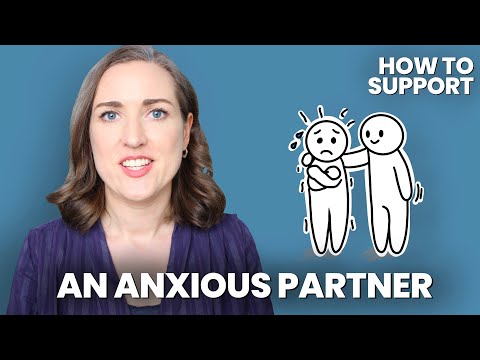
You know that feeling when you really click with someone? It’s exciting, right? But then there’s this weird tension.
This blog provides content for informational, educational, and reflective purposes only. The information published here does not constitute medical, psychological, or psychiatric advice, and it does not replace the evaluation, diagnosis, treatment, or individualized guidance of a properly licensed professional. If you believe you may be experiencing a psychological or health-related issue, consult a qualified professional as soon as possible before making important decisions about your well-being. Do not self-medicate or start, stop, or change medications, therapies, or treatments on your own. While we aim to provide useful and accurate information, we do not guarantee that it is complete, current, or suitable for every situation. Your use of this content is at your own risk, and reading it does not create a professional, clinical, or therapeutic relationship with the author or this website.
Like, one minute you’re laughing and having a great time, and the next you’re stressing over every little thing they say or do. If you’ve ever been with someone who seems to keep you at arm’s length while still wanting closeness, you might be dealing with an anxious avoidant partner.
It can feel super confusing. You want to connect, but there’s always this barrier there. Sometimes it feels like you’re on a rollercoaster of emotions—like one second everything is fine, and the next you’re spinning out in your head.
It’s tough to figure out how to love someone when their way of showing it is so different from yours. So, let’s chat about navigating this wild ride together.
Understanding and Supporting Your Partner: Loving Someone with Anxious-Avoidant Attachment
Loving someone with an anxious-avoidant attachment style can feel like you’re walking on eggshells sometimes. It’s all about finding that balance between connection and distance, you know? The thing is, understanding how they relate to intimacy and emotions is key.
People with this attachment style often have a difficult relationship with closeness. They crave love but also fear it. It’s like they put up walls just when you’re trying to get closer. You might notice they pull away when things heat up emotionally. This doesn’t mean they don’t care; it’s just how they’ve learned to handle feelings.
- Recognize the patterns: Notice if your partner seems to oscillate between wanting closeness and then retreating. This push-pull dynamic can be confusing for both of you.
- Be patient: When your partner pulls back, it’s crucial to give them space without taking it personally. Try not to pressure them for answers or clarity immediately.
- Encourage open communication: Create a safe space for them to share their feelings without judgment. Let them know it’s okay to express fear or anxiety about the relationship.
You may have experienced moments when your partner seemed distant after a heartfelt conversation. It can sting, right? You just want them to feel comfortable showing their emotions! But pushing them can lead to even more withdrawal.
An example could be an argument about moving in together. Your partner might feel excited yet terrified at the same time. So instead of talking about future plans, they suddenly flip the script and act aloof, leaving you bewildered.
- Acknowledge their fears: Understanding that these reactions stem from past experiences helps. They might’ve had prior relationships where vulnerability led to pain.
- Create stability: Being consistent and dependable in your actions can reassure your partner that you’re not going anywhere despite their fears.
- Celebrate small victories: If your partner shares something personal, even if it’s minor, acknowledge it! Celebrate their willingness to open up; it’s a big deal!
Your patience will be worth it as trust builds over time. Just remember: relationships take work from both sides. Sometimes you’ll need breaks too—it’s totally normal!
The rollercoaster of love with someone who feels anxious yet avoids emotional intimacy isn’t easy, but with understanding and support from both sides, you two can create a healthy bond that nurtures both of your needs.
If things feel heavy or overwhelming at times—for either one of you—consider seeking outside help, like therapy together or individually. A professional can offer insights and guidance tailored just for you two.
Navigating Love: Can Anxious and Fearful Avoidant Relationships Thrive?
Navigating love when you’re dealing with an anxious or avoidant partner can feel like walking a tightrope. Seriously, it’s all about balance and understanding where each person is coming from. So, let’s break this down a bit, alright?
First off, if you’re in a relationship with someone who’s **anxiously attached**, they tend to crave closeness and reassurance. You know the type—they might text you a million times if you don’t reply right away or seem extra worried about where the relationship is headed. On the flip side, there’s the **fearful avoidant** partner who wants intimacy but also fears it. It’s confusing because they might push you away when things get too close.
Now, why does this matter? Because these two styles can clash pretty hard! Here’s what happens:
- **Communication breakdowns**: The anxious partner might interpret distance as rejection, while the avoidant partner feels suffocated by constant reassurance.
- **Overthinking**: Anxious folks often overanalyze their partner’s behavior, leading to unnecessary panic attacks about the relationship’s stability.
- **Conflict cycles**: When one partner pulls back (the fearful avoidant), it triggers anxiety in the other (the anxious one), creating a vicious cycle of chasing and distancing.
Honestly? It’s tough for both sides. I remember talking to a friend who was dating someone just like this. Every time she reached out for affection, he would withdraw more. She felt abandoned and started doubting if he cared at all. Each small argument became this massive thing because her anxiety flared up while he just recoiled further into his shell.
But here’s the kicker—these relationships *can* thrive with intention and work! You have to invest time in understanding each other’s needs. Teaching your fearful avoidant partner that they can trust your intentions can be key here.
Imagine taking baby steps together—slowly increasing emotional intimacy without overwhelming either party. Maybe start with small gestures of affection or consistent check-ins that let them know you’re there but not smothering them.
So yeah, some strategies include:
- Establishing clear communication: Talk openly about your feelings and preferences regarding closeness.
- Setting boundaries: Understand each other’s limits on contact and space to prevent feeling overwhelmed.
- Building trust: Be consistent in your actions so they feel secure that you’re not going anywhere.
The thing is, both partners should be willing to meet halfway. If one person is doing all the work trying to bridge that gap while the other pulls away? That’s gonna lead to burnout faster than you can say relationship woes.
Breaking Free from the Anxious-Avoidant Trap: Effective Strategies for Healthier Relationships
So, let’s talk about this whole anxious-avoidant trap. If you’re in a relationship with someone who swings from being super into you to suddenly pulling away, it can feel like you’re on an emotional rollercoaster. It’s exhausting, right? You might find yourself anxious and confused, while your partner seems distant and detached. But don’t worry; there are definitely strategies to help break this cycle and create healthier connections.
Understand the Patterns: First off, it’s essential to know what you’re dealing with. Anxious folks often crave closeness and reassurance but fear abandonment. On the flip side, avoidants value their independence and can feel suffocated by too much intimacy. When these two styles clash, it creates a push-pull dynamic that feels totally chaotic.
Communicate Openly: So, here’s the thing: talking is key. If you can express your feelings without blaming your partner, it paves the way for understanding. Super important! For instance, saying something like “I feel anxious when we don’t talk for a few days” feels way better than “You always ignore me.” See the difference?
Set Boundaries: Boundaries aren’t just some buzzword; they’re vital in creating a safe space for both partners. Know what you need—whether it’s regular check-ins or alone time—and make that clear to each other. It can be as simple as saying “Let’s agree to text at least once a day.”
Acknowledge Triggers: Another major piece of this puzzle is recognizing what triggers those anxious feelings or avoidance behaviors in both of you. Let’s say your partner goes quiet after an argument; maybe that reminds you of past rejections. If both of you can identify these triggers together, it might help ease some of that tension.
Practice Self-Care: Seriously! You’ve got to take care of yourself while navigating this tricky terrain. Engage in activities that ground you—exercise, hobbies, or just chillin’ with friends can work wonders! And when you’re feeling good about yourself? Well, it makes it easier to cope with relationship ups and downs.
Seek Professional Help: Sometimes things get too tangled up for just the two of you to handle alone; that’s perfectly okay! Couples therapy can offer a safe space where both partners learn tools for better communication and emotional support.
Stay Patient: Breaking free from these patterns takes time—it won’t happen overnight. That means celebrating small wins along the way is crucial! Every little effort matters when you’re trying to build healthier dynamics.
In short, healing from the anxious-avoidant trap isn’t easy but definitely possible with some dedication from both sides. Take a deep breath and remember: healthier relationships are within reach if you’re willing to work on understanding each other better!
Navigating love with an anxious avoidant partner can feel like walking a tightrope, you know? On one hand, there’s this deep connection and warmth that pulls you in. But on the other, there’s an emotional push-pull that can leave your head spinning. I mean, it’s like trying to hug a cactus—beautiful but prickly.
Let me share a quick story. A friend of mine was dating someone who had this anxious-avoidant thing going on. They’d have these moments where they’d be super close, sharing dreams and secrets, laughing until their sides hurt. Then, just like that, the partner would pull back, shutting down emotionally when things got too intense. It was rough to watch because my friend just wanted to connect more. So frustrating!
When you’re with someone who has these patterns—where they want closeness but freak out at the same time—it can be confusing for both parties. You might find yourself second-guessing every little thing you say or do, trying to find the right balance between giving space and showing affection. Seriously, it’s like being in a dance where one person keeps stepping on the other’s toes.
But here’s the kicker: it helps to understand where this behavior comes from. Often, it’s rooted in past experiences—like maybe they had trouble with trust or were let down before. That knowledge can bring some compassion into the mix, you know? It doesn’t excuse their reaction but helps you see them as more than just someone who shuts down at all the wrong times.
Communicating openly becomes super important here. You’ll want to check in about feelings without putting pressure on them or making them feel cornered. Phrases like “I’m here for you” or “It’s okay to take your time” can go a long way because they show you’re willing to hang around while still respecting their need for space.
While it can be tough navigating love under these circumstances—you might end up feeling more alone sometimes than when you’re single—the relationship can also deepen your understanding of what love means for both of you. That balance of closeness and distance becomes something unique that only the two of you share.
Remember though; it’s crucial to take care of yourself too. Don’t lose sight of what makes you happy amidst all those ups and downs! Just keep communicating honestly with each other and see where that leads you both—ickiness and all!