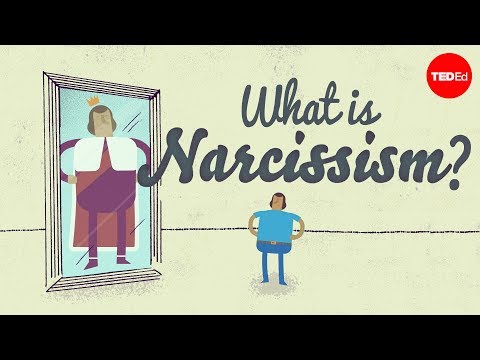
So, let’s talk about narcissism. You know, that vibe some people give off where it’s all about them? Yeah, that.
This blog provides content for informational, educational, and reflective purposes only. The information published here does not constitute medical, psychological, or psychiatric advice, and it does not replace the evaluation, diagnosis, treatment, or individualized guidance of a properly licensed professional. If you believe you may be experiencing a psychological or health-related issue, consult a qualified professional as soon as possible before making important decisions about your well-being. Do not self-medicate or start, stop, or change medications, therapies, or treatments on your own. While we aim to provide useful and accurate information, we do not guarantee that it is complete, current, or suitable for every situation. Your use of this content is at your own risk, and reading it does not create a professional, clinical, or therapeutic relationship with the author or this website.
It can be kinda confusing. Some folks throw the term around casually, while others see it as a serious mental health issue.
But what does it really mean in the world of psychology? And how does it show up in our lives?
Well, it’s not just excessive self-love or a big ego. There’s more to the story than you might think.
Let’s break it down together and see what’s really going on with narcissism. Trust me, it’s a trip!
Understanding Narcissistic Behavior: Signs, Causes, and Impact on Relationships
Narcissistic behavior, oh boy, it can really mess with relationships. So let’s break it down a bit, alright?
First off, what is narcissism? In psychology, it refers to a personality trait characterized by an inflated sense of self-importance. Basically, people with these traits often require excessive admiration and lack empathy for others. You might think of narcissism as being all about the “me, me, me” mentality.
Signs of Narcissistic Behavior
You know someone can be narcissistic if you notice these things:
Isn’t that something? It can be exhausting just being around someone like that.
Now, moving on to what causes this behavior. Narcissism doesn’t just pop up overnight. It usually develops during childhood or adolescence. Factors include:
So, picture a kid who was either constantly praised without limits or criticized harshly. That child might grow up searching for validation in unhealthy ways.
Next up is how this behavior impacts relationships. Honestly? It’s usually not pretty. You see:
I remember a friend who dated someone like this—it was pure chaos! Every conversation felt like walking on eggshells, and love turned into power struggles almost immediately.
So what’s the takeaway here? Recognizing narcissistic behaviors is important because it helps you understand when someone isn’t capable of giving back in a relationship the way you need them to. You shouldn’t have to sacrifice your well-being just so someone else feels good about themselves.
In short, although understanding narcissism isn’t easy, doing so lays the groundwork for healthier relationships down the road. Knowing when to step back can save you a lot of heartache!
Understanding DSM-5 Narcissistic Personality Disorder: Downloadable PDF Guide
So, let’s talk about **Narcissistic Personality Disorder (NPD)**. It’s part of the DSM-5, which is basically a big book that mental health professionals use to diagnose all sorts of mental health conditions. And trust me, understanding NPD can be pretty eye-opening.
First up, narcissism isn’t just about being vain or self-centered. The thing is, NPD is a **serious personality disorder**. People with this condition often display a pattern of grandiosity—like they think they’re better than everyone else. It’s not just a phase; it’s ingrained in how they view themselves and others.
Now, here are some key characteristics you might find in someone with NPD:
- Grandiosity: They have an inflated sense of self-importance.
- Need for Admiration: Constantly seeking validation from others.
- Lack of Empathy: Struggling to relate to or understand how others feel.
- Exploitation: Using people to achieve their own goals without remorse.
- Arrogance: Acting haughty and dismissive towards others.
You might be wondering what that all looks like in real life. Picture this: someone who always wants to be the center of attention at work. They might brag about their accomplishments while completely ignoring their teammates’ contributions. It can feel really frustrating for others because it’s like they’re stuck in this loop of “me, me, me.”
But here’s the catch: people with NPD often don’t recognize their behavior as problematic. From their perspective, they’re just being themselves! That’s why they can come off as charming at first—you know? But that charm often turns into manipulation or even anger when they don’t get the attention or admiration they crave.
When it comes to treatment, it can be tricky. Therapy can help—and some folks really benefit from cognitive behavioral therapy (CBT) or psychodynamic therapy—but getting someone with NPD to commit to change? Well, that’s another story altogether.
And if we compare it with other personality disorders—like borderline or antisocial personality disorder—NPD has its own unique challenges but also overlaps in some ways. For instance, both can struggle with relationships but for different reasons.
In case you need more info on all this (I mean who doesn’t love a good PDF?), an official DSM-5 guide on Narcissistic Personality Disorder could be super helpful! It dives deeper into diagnostic criteria and all those therapeutic options you might hear about in therapy sessions.
So yeah! Understanding NPD helps us not only see how these patterns show up but also gives insight into why some relationships feel off-kilter sometimes. We’ve all met someone who seems overly absorbed in themselves—but realizing it’s tied back to a deeper issue makes things way clearer, right?
Comprehensive Treatment Plan for Narcissistic Personality Disorder: Downloadable PDF Guide
Narcissistic Personality Disorder (NPD) can be a tough nut to crack. When someone has NPD, they usually have an inflated sense of self-importance and a deep need for excessive admiration. But beneath that shiny surface? There’s often a fragile self-esteem just waiting to be bruised. It’s like they have this armor on, but inside, they’re dealing with their own demons.
A **comprehensive treatment plan** for NPD is super important, as traditional therapy approaches may not cut it. Here’s how therapy typically breaks down:
1. Establishing Trust: Building a strong therapeutic relationship is crucial. You want the person with NPD to feel safe opening up about their thoughts and feelings—which can be pretty difficult when they’re used to putting on a front.
2. Cognitive Behavioral Therapy (CBT): This method focuses on changing negative thought patterns and behaviors. Imagine you’re stuck in a cycle of thinking you’re better than everyone else; CBT helps break that cycle down into manageable pieces.
3. Dialectical Behavior Therapy (DBT): This approach teaches skills in mindfulness, emotional regulation, and interpersonal effectiveness. If someone has issues managing emotions and relationships, DBT can provide some solid tools.
4. Group Therapy: Believe it or not, interacting with others who have similar struggles can do wonders! Group sessions allow for feedback and new perspectives that might help challenge narcissistic beliefs.
5. Family Involvement: Sometimes family dynamics play a huge role in maintaining NPD traits. Engaging family members in the treatment process can provide additional support and understanding.
Now let’s talk about some crucial components of the treatment plan:
- Self-awareness development: It’s important for individuals with NPD to gain insight into their behavior and its effects on others.
- Empathy training: Encouraging them to recognize others’ feelings can help shift focus away from themselves.
- Goal setting: Working together to set realistic personal goals helps combat those grandiose perceptions.
- Coping strategies: Teaching healthier ways to deal with disappointment or rejection is key since these are common triggers for defensiveness.
- Monitoring progress: Regular check-ins allow both therapist and client to assess what’s working or what needs adjustments.
Honestly, treating someone with NPD isn’t gonna be smooth sailing all the time—it might get messy! There are often setbacks along the way because changing deeply ingrained patterns takes time and patience.
If you’re searching for something more tangible—like a downloadable PDF guide—look for one that includes structured worksheets, exercises in empathy-building techniques, or reflections on personal experiences that challenge narcissism’s grip on one’s life.
The whole process can feel like peeling an onion: layers upon layers of complexity come off bit by bit. With consistent effort and the right strategies in place, change is possible—even if it does take some time! Remember that support from loved ones plays a big part too; having them onboard makes navigating this journey just a little easier.
Narcissism, man, it can be such a confusing beast, right? One minute you’re scrolling through social media and you’re like, “Wow, this person is super full of themselves.” The next, you hear the term tossed around in therapy sessions or the news. It’s easy to mix up casual self-centeredness with something more serious. So let’s break it down a bit.
In psychological terms, narcissism isn’t just about being vain or self-absorbed. It’s actually a spectrum. On one end, you’ve got that everyday narcissistic behavior—like someone who constantly posts selfies and is overly concerned with how many likes they get. But on the other side of the spectrum lies Narcissistic Personality Disorder (NPD), which is way more intense and can seriously affect relationships and overall functioning.
Imagine you’re friends with someone who’s always making everything about them: their problems take center stage at every gathering; they rarely ask how you’re doing; and if they do ask, it feels more like a checkbox than genuine concern. That kind of vibe can feel exhausting! People with NPD often have an inflated sense of self-importance and need constant admiration. They might struggle with empathy too—like their ability to genuinely connect or care about what others feel just isn’t there.
I remember a friend who dated someone like this. They were charming at first—super charismatic—but over time, my friend felt drained and manipulated. Every conversation turned into a monologue about her partner’s achievements while my friend’s own feelings felt muted or dismissed. In situations like this, it becomes clear that it isn’t just annoying behavior; it’s a pattern driven by deeper issues.
When we talk about narcissism in mental health contexts, it gets even trickier because treatment often involves recognizing these traits in oneself—which isn’t easy for someone who usually thinks they’re above everyone else! Therapy can help peel back those layers but requires really hard work from that person.
So yeah, recognizing different faces of narcissism is key for navigating relationships—whether it’s friendships or romantic ones—and understanding it can really shed light on why certain dynamics feel so off-kilter sometimes. This stuff matters because our connections influence our mental well-being directly! If you’re feeling like your interactions are all about one person monopolizing the emotional space—well—you might want to take stock of whether there’s some narcissism at play there.