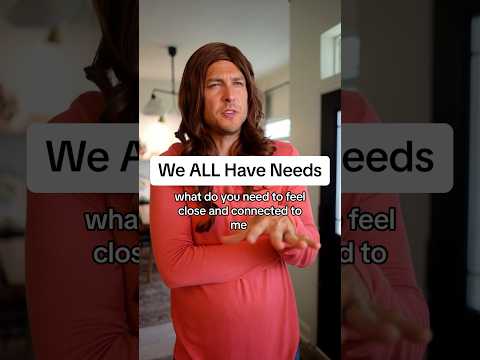
So, let’s talk about those moments when you feel like you’re doing this weird dance in your relationships. You know? Like, one minute you’re close, and the next, poof! They seem to disappear.
This blog provides content for informational, educational, and reflective purposes only. The information published here does not constitute medical, psychological, or psychiatric advice, and it does not replace the evaluation, diagnosis, treatment, or individualized guidance of a properly licensed professional. If you believe you may be experiencing a psychological or health-related issue, consult a qualified professional as soon as possible before making important decisions about your well-being. Do not self-medicate or start, stop, or change medications, therapies, or treatments on your own. While we aim to provide useful and accurate information, we do not guarantee that it is complete, current, or suitable for every situation. Your use of this content is at your own risk, and reading it does not create a professional, clinical, or therapeutic relationship with the author or this website.
That’s what it can be like for people with a detached avoidant personality. Seriously, it’s not just about being shy or not wanting to hang out. There’s a whole lot more going on under the surface.
Imagine being in a room full of friends but feeling totally alone. Oof! That hits hard, right?
The thing is, understanding this style can really change the game. If you’ve ever felt that push and pull in your connections or if you’re trying to support someone who does, hang tight! We’re going to unpack this together.
10 Effective Ways to Make Avoidant Individuals Feel Loved and Valued
Navigating relationships with avoidant individuals can be a bit tricky. You know, these are the folks who often seem a little distant or detached. They might struggle to connect on an emotional level, even when they genuinely care. If you want to make them feel loved and valued, there are some effective ways to do that. Let’s break it down.
1. Give Them Space
One of the key things is letting them have their space. Avoidants usually need time alone to recharge their batteries. If you try to push too hard, they might shut down even more. So, just give them some room while letting them know that you’re there for them.
2. Be Consistent
Consistency is super important with these individuals. If you’re always changing your behavior or expectations, it can make them feel anxious. Keeping your reactions predictable can help them feel safer in the relationship.
3. Communicate Openly
Try to have open conversations about feelings and boundaries—but do it gently! Avoidants might not share their emotions readily, so it’s crucial to create a safe space where they feel comfortable expressing themselves when they’re ready.
4. Validate Their Feelings
When they do share something, even if it’s minimal, be sure to validate their feelings. You might say something like, “I understand that this feels overwhelming for you.” A little validation goes a long way in making them feel seen and heard.
5. Show Patience
Patience is key here! Change doesn’t happen overnight for anyone—especially those who struggle with avoidance issues. Letting things unfold at their own pace shows that you respect their comfort levels.
6. Use Nonverbal Cues
Sometimes words aren’t enough—or can be too much! Nonverbal cues like a warm smile or holding hands can communicate love without overwhelming them verbally. These small gestures can create a feeling of closeness without pressure.
7. Encourage Small Steps
Encouraging small steps toward intimacy can really help build trust over time. Maybe suggest low-pressure activities like watching a movie together or going for a walk—nothing too intense.
8. Focus on Shared Interests
Connecting over shared hobbies or interests helps build rapport without diving deep into emotional territory right away; do something fun together! This way, you don’t put the pressure of deep conversation on the table immediately.
9. Respect Their Boundaries
Respecting boundaries is absolutely vital! If they express discomfort about something specific—or don’t want to talk about certain topics—honor that request without pushing back.
10. Celebrate Their Achievements
Recognizing their successes—even the small ones—can boost their confidence and help them feel valued in the relationship! A simple “I’m really proud of you» can mean so much when said sincerely.
Building relationships with avoidant individuals takes time and effort—but those little steps will definitely help both of you feel more connected in the long run! Just remember that each person is unique, so tailor your approach accordingly—it’s all about finding what works best for both of you!
Navigating Love: Building a Relationship with a Dismissive Avoidant Partner
Navigating love can be tricky, especially when you’re in a relationship with someone who has a **dismissive avoidant** attachment style. You might find yourself feeling confused or even a little lost at times. Like, maybe you’ve noticed they keep their distance when you’re trying to get closer. It’s not that they don’t care; it’s just that they’ve got some walls up.
So, what does it mean to be dismissive avoidant? Basically, these folks often struggle with intimacy and might seem emotionally detached. They value independence and tend to downplay the importance of close relationships. Imagine trying to share your day with someone who seems more interested in scrolling on their phone—frustrating, right?
When you’re with a dismissive avoidant partner, communication can feel like climbing a mountain sometimes. Here’s the thing: you want connection, but they might pull away when things get too close for comfort. This can lead to feelings of rejection or loneliness on your end.
Here’s how you might navigate this complex dynamic:
- Understand Their Background: Recognizing that your partner’s avoidance could stem from previous experiences is key. They might have learned early on that relying on others isn’t safe.
- Set Boundaries: Establishing clear boundaries is crucial. Let them know what you need without being demanding. Like, if you need some quality time together every week, say it clearly.
- Avoid Pressure: Try not to pressure them into emotional conversations if they’re not ready. Forcing closeness can lead to them retreating even more.
- Encourage Open Dialogue: Foster an environment where both of you can share feelings comfortably—without judgment or blame. Maybe suggest having weekly check-ins where it’s just about sharing thoughts and feelings.
- Practice Patience: Change takes time! Be patient as your partner gradually learns to open up more; celebrate small victories together!
A personal story might help illustrate this: remember Jamie? She dated someone named Mike who had that dismissive vibe going on. At first, she was upset because he didn’t respond the way she thought he should during emotional moments—like when she shared something vulnerable about her past. Instead of pushing him away further by demanding closeness, she decided to give him space while also making her needs known gently. Over time, Mike started feeling safer opening up about his own experiences instead of shutting down.
But let me tell ya—it’s definitely not a straightforward journey! Sometimes you’ll feel like you’re talking to a brick wall; other times, there’ll be glimmers of hope as your partner lets you in just a little bit more.
So remember: it’s all about balance and understanding where each other is coming from while also prioritizing your own emotional needs in the mix!
Understanding and Navigating Relationships with Detached Avoidant Personality Types on Reddit
Relationships can be super tricky, especially when you’re dealing with someone who has a detached avoidant personality type. These folks often keep their distance emotionally. So, navigating these relationships, whether it’s a friend, family member, or partner, takes some understanding and patience.
First things first, detached avoidant personality could mean someone tends to avoid close emotional ties. You might notice they seem indifferent or aloof sometimes. They usually keep people at arm’s length to protect themselves from potential hurt. This can feel pretty frustrating if you’re looking for connection.
You might ask yourself: «How do I know if I’m dealing with someone like this?» Well, here are some signs to look out for:
This doesn’t mean that they don’t care about their relationships; rather, they’re more comfortable in the background than under the spotlight.
Okay, but how do you navigate this kind of relationship? Here are some thoughts that could help:
Sometimes, though—yikes!—you might find yourself feeling lonely in the relationship because of their distance. This can be tough! A friend of mine once dated someone like this and felt like she was shouting into a void most days. She learned quickly that if she wanted solace in her emotions or intimacy in the relationship, she had to be ready for long waits. It’s rough but navigating these situations isn’t impossible.
Lastly—and I can’t stress this enough—don’t forget self-care while you’re trying to support someone with an avoidant attachment style! It’s essential for your own mental health too.
Relationships are complex puzzles sometimes. Keeping an open heart and mind is key when dealing with someone who’s a bit more emotionally reserved than usual. Remember that every connection has ups and downs—and understanding each other’s quirks is part of what makes any relationship worthwhile!
So, navigating relationships with someone who has a detached avoidant personality can feel like walking through a maze, right? You think you’re making progress, and suddenly you hit a wall. It’s not that these folks don’t care; it’s more like they’ve built this fortress around their emotions. And trust me, it can be tough to break through.
Imagine being at a party. You’re chatting with someone who seems totally present but then glances away or changes the subject when things get too personal. You might start wondering if you said something wrong or if they just don’t like you that much. I’ve been there—a friend of mine was like that. We’d hang out, and I’d open up about my day, while she’d nod politely but never share anything deeper. Over time, it made me feel kinda lonely in our friendship.
The thing is, people with detached avoidant personality often struggle with intimacy and emotional closeness. They prefer to keep things light and breezy—like surface-level conversations about the weather instead of diving into the stormy stuff underneath. They might feel overwhelmed by strong emotions or fear of rejection, which leads them to pull back. So when you’re trying to connect on a deeper level and all they do is smile and change the topic, frustration can build up.
But here’s the catch: understanding their behavior doesn’t mean you have to accept it without question. It’s okay to express your need for more connectedness while being patient with them as well. Communication is key! If you can find a way to let them know how important emotional connection is for you—without pushing too hard—you might create some space for them to open up.
Also, remember that healing takes time; it’s not just about one conversation or one breakthrough moment. Sometimes just being consistent and showing up can help your friend feel safer in exploring their feelings at their own pace.
It can be exhausting sometimes—you may find yourself wondering if this relationship is even worth it—but getting to know someone who struggles with detachment can also lead to beautiful moments of understanding and connection over time. You just have to work through those tricky bits together—and keep reminding yourself why this person matters in your life!