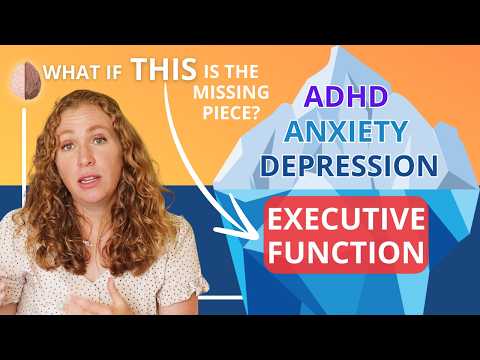
You know those days when everything feels like a major hurdle? Like, just getting out of bed seems monumental. That’s kind of what it’s like when your brain isn’t firing on all cylinders.
This blog provides content for informational, educational, and reflective purposes only. The information published here does not constitute medical, psychological, or psychiatric advice, and it does not replace the evaluation, diagnosis, treatment, or individualized guidance of a properly licensed professional. If you believe you may be experiencing a psychological or health-related issue, consult a qualified professional as soon as possible before making important decisions about your well-being. Do not self-medicate or start, stop, or change medications, therapies, or treatments on your own. While we aim to provide useful and accurate information, we do not guarantee that it is complete, current, or suitable for every situation. Your use of this content is at your own risk, and reading it does not create a professional, clinical, or therapeutic relationship with the author or this website.
We’ve all been there, right? Trying to juggle life’s demands while feeling like you’re running in quicksand. It’s exhausting. And if you’re struggling with executive functioning? It’s like the universe decided to throw in extra challenges just for fun.
So, what even is executive functioning? Well, it’s all about those mental skills that help you plan, focus, and keep it together. When they’re off, the impact can ripple into your mental health and everyday life.
Life gets tough sometimes. But understanding these challenges can really make a difference. Let’s dig into it together!
Essential Executive Functioning Strategies for Adults: Downloadable PDF Guide
Managing executive functioning can be a real challenge for adults, especially when life gets hectic. You might feel overwhelmed by tasks, struggle with organization, or find it hard to start things. That’s where some solid strategies can come in handy. These tips can help you navigate daily stresses and improve your overall mental health.
What is Executive Functioning?
First off, let’s break down what executive functioning really means. Basically, it involves a set of mental skills that help you manage your time, pay attention, switch focus between tasks, and remember details. It’s kind of like the control center for other skills like planning or decision-making.
Key Strategies for Better Executive Functioning:
- Create Routines: Establishing predictable patterns can make life feel more manageable. For example, if you have morning routines set up—like making your bed and having coffee before jumping into emails—it simplifies your day.
- Use Visual Aids: Having lists or schedules in front of you can be super helpful. Sticky notes on your fridge or a calendar on the wall serve as gentle reminders about what needs doing.
- Break Tasks Down: Instead of looking at a giant project as one big thing to tackle (which can be daunting), split it into smaller steps. Completing these mini-tasks boosts your confidence and makes progress feel real.
- Set Timers: This might sound simple, but setting a timer can keep you focused. Try giving yourself 25 minutes to work on something followed by a 5-minute break—known as the Pomodoro Technique.
- Prioritize Your Tasks: Not everything is equally important! Identify what’s urgent versus what can wait. Maybe use colors or symbols to mark them—this way it’s easier to see where your focus should go first.
- Avoid Multitasking: It’s tempting to juggle many things at once, but think about how often that leads to mistakes or lost time! Instead, focus on one task at a time for better efficiency.
The Emotional Side
Managing executive functioning struggles isn’t just about tactics; it’s also emotional. Feeling overwhelmed often leads to anxiety or frustration. I once talked to someone who shared how they used timers—they felt liberated because they could actually see their progress rather than getting lost in the chaos of all they had left to do.
The Bottom Line
Implementing these strategies isn’t an overnight fix; it takes practice and patience. Try one or two methods at first until they become part of your routine. Remember—you’re not alone in this journey! Many adults face similar challenges with executive functioning every day.
If you’re looking for more detailed info or even some worksheets, hunting down that downloadable PDF guide could give you some fresh insights too! Just know that improving these skills is totally doable with time and effort.
Understanding Executive Dysfunction: Take the Essential Test to Assess Your Cognitive Challenges
Executive dysfunction can be a real pain in the neck, you know? It affects how we plan, organize, and follow through on tasks. Basically, it messes with our ability to do stuff that requires more than just basic thinking. If you ever feel like your brain’s stuck in quicksand when you try to get things done, that might be what’s going on.
So let’s break it down. Executive functions are like the brain’s manager. They help with setting goals, making plans, and keeping track of time. If this «manager» isn’t doing its job well, it can lead to some serious cognitive challenges. Think about a time when you had a deadline looming but couldn’t seem to start working on the project. That feeling of being overwhelmed might be tied to executive dysfunction.
Here’s a quick rundown of what executive dysfunction looks like:
- Planning Issues: You find it hard to organize tasks or plan ahead.
- Time Management: Deadlines? What deadlines? You might underestimate how long things take.
- Poor Decision-Making: You struggle with choices and can get stuck in analysis paralysis.
- Impulse Control: Maybe you jump from one task to another without finishing anything.
- Emotional Regulation: Your feelings might control your actions more than they should.
So what causes this? Well, several factors could play into it—mental health conditions like ADHD or anxiety can contribute big time. Or it could be something neurological as well.
Now, if you’re wondering whether you have executive dysfunction, there’s actually an assessment test out there that can give you some insight. It’s not full-proof but can help highlight where you might struggle.
Thinking about taking the test? It usually includes questions about your daily routine and situations where you’ve felt challenged. For example: “Do you have trouble starting tasks?” or “Do details often slip your mind?” Reflecting on these questions may give you an idea of whether you’re experiencing issues related to executive function.
What’s important here is knowing you’re not alone in this struggle. Many people deal with similar challenges every day—it’s part of being human! If these issues are really impacting your life or work, talking to a mental health professional can provide tools and strategies tailored just for you.
In short, understanding executive dysfunction is key for navigating those frustrating moments when life feels disorganized or chaotic. The essential test isn’t definitive but can point out areas worth exploring further with guidance from someone who gets it—like a therapist or psychologist who specializes in cognitive functioning. So keep an eye out for those signs because awareness is the first step toward getting back on track!
Understanding Executive Function Disorder: Symptoms, Causes, and Effective Strategies for Management
Executive Function Disorder (EFD) can be frustrating, right? It’s like having a cluttered desk in your mind. You know, all those thoughts and tasks just piled up? Let’s break it down together.
What is Executive Function Disorder?
It’s all about how our brain organizes things. Basically, executive functions help you plan, focus, remember instructions, and juggle multiple tasks. With EFD, those skills can be a bit shaky.
Symptoms of EFD
So what does this look like in real life? Here are some common symptoms you might notice:
Imagine trying to finish a project but getting sidetracked by every little thing around you. Frustrating, right?
Causes of EFD
There’s no single reason why someone might develop EFD. A lot of factors can play a part:
Let’s say your buddy had a concussion – that could mess with his ability to organize thoughts or control impulses.
Effective Strategies for Management
Managing EFD isn’t impossible. Here are some strategies that can help:
For example, if you’ve got a big exam coming up, instead of cramming everything at once, you could study one subject each day.
Managing executive function disorder takes effort and patience, but with the right strategies and support from friends or professionals, navigating these challenges becomes so much easier! So remember: you’re not alone in this—lots of people are figuring it out too.
You know, navigating the whole executive functioning thing can feel like running a marathon without any training. Seriously, it’s tough! When you think about executive functioning, it’s all those skills that help you plan, organize, start tasks, and manage your time—basically, the stuff that keeps life moving smoothly. But when mental health struggles sneak in, it’s like someone turned off the GPS on your phone. You can barely find your way to the next step.
Let’s say you wake up with a million things on your mind: appointments to schedule, work deadlines looming, and grocery shopping that should have happened yesterday. If you’re feeling anxious or down, these tasks can seem towering. I remember this one time when I was really stressed out about schoolwork and workplace demands; even just making a simple to-do list felt overwhelming. I ended up staring at my blank paper for what felt like hours—not my finest moment!
The thing is, when mental health issues come into play, they can mess with your ability to focus or make decisions. Maybe you find yourself procrastinating or completely forgetting what you were supposed to do. The emotional weight of anxiety or depression can steal your energy and motivation faster than you realize.
And here’s where it gets really interesting: tackling these challenges often means figuring out how to assist those executive functioning skills. It’s not just about “getting organized” but also addressing what might be going on underneath—like those pesky feelings of shame or guilt for not performing “normally.”
So what do you do? Well, breaking tasks into smaller chunks might help—like taking one tiny step instead of feeling overwhelmed by the whole mountain ahead of you. Setting timers can also work wonders; literally giving yourself a short burst of focus followed by a breather can change everything. And don’t underestimate the power of reaching out for support! Just talking about it with a friend or therapist can lighten that load significantly.
Being gentle with yourself is vital too! Honestly? It’s okay not to nail every task perfectly while juggling everything life throws at you. Mental health is like this rollercoaster ride; sometimes you’re up high feeling great and other times you’re in a dip wondering how you’re gonna climb back up.
So yeah, navigating challenges in executive functioning and mental health isn’t easy—but it is totally doable if you’re willing to take it step by step and be kind to yourself along the way!