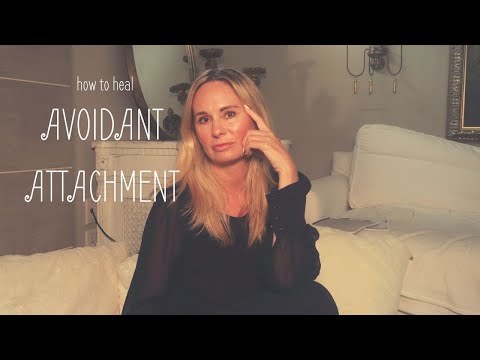
So, let’s talk about something that’s kind of a big deal—attachment styles. Ever felt like you’re just kinda chill about relationships, maybe a bit too much? That’s where dismissive avoidant attachment comes in. It’s all about keeping distance, like when you love someone but still want your space.
This blog provides content for informational, educational, and reflective purposes only. The information published here does not constitute medical, psychological, or psychiatric advice, and it does not replace the evaluation, diagnosis, treatment, or individualized guidance of a properly licensed professional. If you believe you may be experiencing a psychological or health-related issue, consult a qualified professional as soon as possible before making important decisions about your well-being. Do not self-medicate or start, stop, or change medications, therapies, or treatments on your own. While we aim to provide useful and accurate information, we do not guarantee that it is complete, current, or suitable for every situation. Your use of this content is at your own risk, and reading it does not create a professional, clinical, or therapeutic relationship with the author or this website.
I mean, who doesn’t like their own space, right? But sometimes it goes a little too far. You might feel super independent but deep down, there’s this nagging feeling that you’re missing out on real connections.
Sound familiar? Yeah, I thought so. If you’re curious about how to tackle those sticky feelings and work on building better connections, stick around. We’re diving into what helps with these attachment issues—like seriously helpful stuff.
Discovering Effective Therapies for Dismissive Avoidant Attachment: A Guide to Healing and Growth
Hey, let’s chat about dismissive avoidant attachment. It’s one of those tricky styles of relating to others that can really mess with your connections. People with this kind of attachment often keep their distance emotionally. They might seem all fine and dandy on the outside, but inside they’re wrestling with intense feelings they don’t always show.
So, what exactly is dismissive avoidant attachment? Well, it often comes from early experiences where emotional needs weren’t met. Maybe a parent was super unavailable or just didn’t respond in a nurturing way. You learn to push away intimacy and rely on yourself instead, thinking that needing others is a weakness.
When you want to heal from this, there are some effective therapies out there that can help you process these patterns and grow. Here’s a quick rundown:
- Cognitive Behavioral Therapy (CBT): This approach focuses on changing unhelpful thought patterns. If you’re constantly thinking that getting close will lead to disappointment, CBT helps you challenge those beliefs.
- Attachment-Based Therapy: This one digs deep into your early relationships and how they shaped you. By exploring these roots, you can start to rewire how you see relationships now.
- Emotionally Focused Therapy (EFT): EFT really zeroes in on emotions and helps improve relational dynamics. It encourages you to express feelings instead of hiding them away.
- Mindfulness Practices: These practices help you stay grounded in the present moment. Learning to be aware of your thoughts and feelings without judgment can be super liberating.
Real-world example: Imagine someone who constantly pushes their partner away during arguments because they fear vulnerability. With therapy, they could start recognizing that feeling vulnerable isn’t just scary; it could actually lead to deeper connections.
Now, look—this healing process isn’t an overnight thing. You might have days where everything feels overwhelming again or when those old habits sneak back in. That’s normal! It takes time to unlearn deeply rooted behaviors.
Surrounding yourself with supportive people can also make a world of difference while you’re working through things. If friends or family give off understanding vibes, then it’s easier for you to practice being more open and trusting.
The takeaway? Healing from dismissive avoidant attachment requires patience, openness, and the right support system—alongside some solid therapy options tailored for your needs. If you’re ready for change, diving into these approaches can be a huge step towards healthier relationships and personal growth.
So yeah! Just remember: healing is possible! And while it might feel tough at times, every small step counts toward building healthier attachments with yourself and others.
Effective Strategies for Healing Dismissive Avoidant Attachment Styles
Healing from a dismissive avoidant attachment style can be a journey, for sure. It’s like peeling back layers of an onion. You know? It can be a little messy but totally worth it in the end. So, let’s dig into some effective strategies that can help you or someone you care about navigate this.
Understanding Your Attachment Style is the first step. A lot of folks don’t even realize they have a dismissive avoidant style, which usually means they keep emotional distance and might feel uncomfortable with closeness. Recognizing this about yourself is crucial. It’s not about blaming yourself; it’s just about understanding where you’re coming from.
Practice Self-Reflection. Keeping a journal can be super helpful. Write down your feelings and thoughts when interacting with others—especially in situations where you feel triggered or want to pull away. Just putting things on paper can give you clarity and help you understand your patterns better.
Engage in Therapy. Seriously, consider finding a therapist who gets attachment styles. Therapists trained in Emotionally Focused Therapy (EFT) or Attachment-Based Therapy are great because they focus on relationships and how past experiences shape current behaviors. This could be a game changer for developing healthier connections.
Mindfulness and Meditation also play a big role in healing those old wounds. When you meditate, it helps calm that anxious little voice inside your head that wants to shut down emotionally. Try focusing on your breath or finding guided meditations that resonate with feelings of openness and vulnerability.
Work on Building Trust. Start small! Maybe it’s sharing something personal with a friend or being open about what you’re feeling in the moment—like telling someone when you’re feeling overwhelmed instead of shutting down completely. Trust builds over time, so celebrate those little victories!
Challenge Negative Thoughts. You might find yourself thinking stuff like “I don’t need anyone” or “People always let me down.” When those thoughts pop up, pause for a sec! Ask yourself if they’re really true or if they’re just old beliefs from the past trying to creep back in.
And remember, speak kindly to yourself. Be patient as you work through these strategies; healing isn’t linear. Just like breaking habits takes time, so does building new ones!
Lastly, reaching out for support isn’t weakness; it’s strength! Surround yourself with people who understand what you’re going through—friends, family, support groups—whatever helps you feel more connected.
So there you go! Healing from a dismissive avoidant attachment style might take time and effort but it’s seriously doable if you’re willing to dig deep and work on it.
Understanding Avoidant Attachment: Exploring the Feelings of Being Attacked
Avoidant attachment can be a tricky beast to understand. It often feels like a dance where one partner is always a step back from the other. If you’ve ever felt like you were pulling away when someone got too close, you might relate to this.
So, what does it mean to have avoidant attachment, specifically the dismissive kind? Well, people with this style often value their independence so much that they might shy away from emotional intimacy. It’s like they’re saying, “Hey, I’m good on my own!” even when they secretly crave connection. But here’s the kicker—they might feel attacked or overwhelmed when someone tries to get close.
Imagine growing up in an environment where emotional expression was discouraged. Like in my friend’s case: as a child, he felt that showing sadness or vulnerability would earn him scorn instead of comfort. So, he learned to put up walls. When he eventually started dating, any sign of emotional demand made him anxious and defensive. He would retreat instead of opening up because it felt safer.
What happens is that this tendency can leave others feeling rejected or confused. You see someone trying to connect and your reaction is to pull back or dismiss them—this can feel like an attack on their feelings! In reality though, it’s more about your own fear of vulnerability.
To dive into some specifics:
- Fear of closeness: Many with avoidant attachment dread being too close; it feels suffocating rather than comforting.
- Defensiveness: When emotions run high in conversations about feelings, the instinct can be to shut down or push away.
- Lack of trust: There might be a deep-rooted belief that others can’t be relied upon emotionally.
- Avoiding conflict: Instead of engaging in discussions that may lead to emotional exposure, some people will choose silence over confrontation.
Now let’s talk about feeling *attacked*. Imagine you’re having a discussion with someone you care about and they start expressing their needs. Instead of hearing them out, your mind races with thoughts like “What if I can’t deliver? What if this changes everything?” This fear turns the person into an enemy in your mind instead of an ally.
The good news is there are effective treatments out there for addressing these issues surrounding dismissive avoidant attachment. Therapies focused on understanding feelings and improving communication can work wonders:
- Cognitive Behavioral Therapy (CBT): This helps challenge those negative thoughts that pop up—like feeling attacked when there’s merely a request for closeness.
- Emotionally Focused Therapy (EFT): It focuses on nurturing secure bonding between partners by recognizing emotional patterns and fostering connections.
- Differential Experience Training: This encourages practicing new ways of engaging emotionally without feeling overwhelmed.
When working through these feelings and patterns with a trained therapist or counselor, things can begin changing for the better—you start seeing relationships differently.
In short, navigating avoidant attachment isn’t easy but facing those fears head-on can lead to deeper connections without feeling attacked all the time! The journey may take some effort and patience but it’s totally worth it when you start seeing new possibilities unfold in your relationships.
You know, it’s interesting how our early relationships shape us. Like, when I think about dismissive avoidant attachment, I can’t help but remember a friend who always seemed emotionally distant. She was great at keeping things light and fun. But as soon as anyone tried to get deeper, she kind of pulled away, you know? It was like watching someone hold their breath underwater—totally capable of being there but hesitant to let anyone dive in with them.
So, if you or someone you know is wrestling with these attachment issues, it can feel frustrating. It might look like avoiding intimacy or shutting down during emotional conversations. But here’s the thing—there are ways to work through it.
One approach that often comes up is therapy. Seriously, talking to a professional can be a game changer. They can help you recognize patterns from the past that influence how you connect with others now. Cognitive Behavioral Therapy (CBT) is pretty popular for this because it focuses on changing those thought patterns that keep you distant.
Then there’s Emotionally Focused Therapy (EFT). This one works wonders for couples too! It helps people understand their emotional responses and fosters deeper connections. Maybe it’s about slowly learning that vulnerability isn’t a weakness but actually a strength—and hey, if you’re feeling shaky about opening up, that’s totally normal.
Another big piece of this puzzle is mindfulness and self-awareness. Seriously! Just being aware of your feelings and reactions can be super enlightening. It’s like turning on a light in a dark room—you start to see all those little corners where avoidance hides out.
And here’s something to remember: building secure attachments takes time and practice—like learning any new skill. If you’re feeling like pulling away when things get serious, checking in with yourself about why that happens can really help.
It might feel scary at first, though! Opening up isn’t easy for anyone used to keeping distance as their default mode. But trust me; small steps lead to big changes over time.
So yeah, while dismissive avoidant attachment can create some bumps in the road for relationships, the good news is there are effective treatments available that truly make a difference! Baby steps toward understanding yourself better could lead to stronger connections with others—and who wouldn’t want that?