So, you know how bonding with someone is just, like, a major deal? It can shape our whole lives—how we connect with others, feel secure, and even deal with stress. But what if I told you that not all attachments are created equal?
This blog provides content for informational, educational, and reflective purposes only. The information published here does not constitute medical, psychological, or psychiatric advice, and it does not replace the evaluation, diagnosis, treatment, or individualized guidance of a properly licensed professional. If you believe you may be experiencing a psychological or health-related issue, consult a qualified professional as soon as possible before making important decisions about your well-being. Do not self-medicate or start, stop, or change medications, therapies, or treatments on your own. While we aim to provide useful and accurate information, we do not guarantee that it is complete, current, or suitable for every situation. Your use of this content is at your own risk, and reading it does not create a professional, clinical, or therapeutic relationship with the author or this website.
That’s where disorganized attachment comes in. It’s a bit of a head-scratcher. Picture a kid who wants comfort but also looks confused and scared by their caregiver. That’s the essence of it—super complicated stuff!
Now, there’s this thing called the Strange Situation Test. Sounds wild, right? Basically, it’s a way to see how kids react when they’re separated from their parents and then reunited. It might seem simple, but those little moments say a lot about attachment styles and patterns.
Intrigued yet? Good! Let’s dig into this together!
Understanding Disorganized Attachment: Insights from the Strange Situation Experiment
Disorganized attachment might sound complicated, but it’s really about how kids bond with their caregivers, especially when things get confusing or scary. Basically, it’s like a mixed bag of attachment styles that can make parenting tricky.
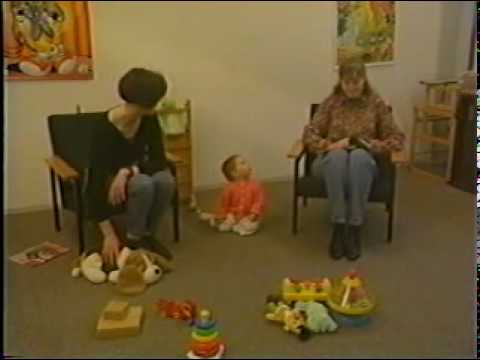
The Strange Situation Experiment, developed by Mary Ainsworth in the 1970s, helps us understand these patterns. In this experiment, babies are observed as they go through a series of separations and reunions with their caregiver. It’s designed to see how they react when left alone and then when their parent comes back.
So here’s the deal: kids with a disorganized attachment style do not have a consistent way of approaching their caregiver during these reunions. You might see them acting confused or scared instead of rushing to their mom or dad for comfort. It’s like they’re unsure whether to seek closeness or avoid it altogether.
Some signs of disorganized attachment include:
- Freezing or stillness during reunion.
- Looking dazed or having an empty expression.
- Running toward the caregiver but then suddenly stopping.
Now, why does this happen? Well, it usually stems from experiences where the child feels both fear and reliance on their caregiver. So imagine being scared of someone who also provides you comfort; it’s confusing! This can occur in situations where caregivers are unpredictable—like if there’s trauma in the home or if the parent struggles with their own issues.
You know, I had a friend who adopted a child who showed signs of disorganized attachment for sure. When she would come back from work and find her kid at daycare, the little one would act all jumpy—like excited but also nervous. It was heartbreaking because you could just see that inner conflict happening right there.
As kids grow up with disorganized attachment styles, they may struggle with relationships later on in life. This can lead to issues like anxiety, difficulty trusting people, or feeling like they can’t communicate properly when they’re upset.
In adulthood, these individuals might have an inconsistent approach in forming bonds with others too; one day they’re super into relationships and the next they’re pushing people away. It’s like being stuck in an emotional tug-of-war!
Understanding disorganized attachment is important because it shines a light on how early experiences shape our emotional health as adults. With support from therapy and patient caregivers, though, healing is totally possible! Each step taken towards understanding these patterns is a step toward healthier connections down the line.
Understanding Disorganized Attachment: Insights from the Strange Situation Experiment
Disorganized attachment is a pretty interesting concept in the world of psychology. It’s basically about how some kids respond to stress, especially when it comes to their caregivers. So let’s break it down, shall we?
The Strange Situation Experiment is this classic study by Mary Ainsworth that examines how infants react when separated from and then reunited with their caretakers. It’s like a little drama that plays out right in front of us. The cool part? It helps identify different attachment styles.
Now, you might wonder what disorganized attachment actually looks like. Well, children with this style show all sorts of confusing behaviors during the experiment. Instead of being calm or upset in predictable ways, they might freeze up, act dazed, or even approach their caregiver but then pull away suddenly. It’s as if they don’t know whether they should be scared or safe around their caretaker.
Here are some key points about disorganized attachment:
- Chaos and Inconsistency: Kids with disorganized attachment often come from environments where caregivers are a source of fear and comfort at the same time. Imagine feeling anxious whenever your parent approaches.
- Behavioral Confusion: Their reactions can be all over the place—sometimes they seek closeness and at other times push away or act frightened.
- Developmental Impact: This kind of attachment can lead to difficulties in relationships later on. Think about it; if you grow up unsure about how to interact with people you love, that can create a real emotional mess.
- Ties to Trauma: Disorganized attachment is often linked to experiences of trauma or abuse in early life—like if a child had a parent who struggled with mental illness.
Let me tell you a quick story that might help clarify this further. Picture little Emma—a toddler who loves her mom but also seems really anxious around her. During the Strange Situation test, when mom leaves the room and comes back, Emma runs towards her but then stops short and clings to herself instead of hugging mom tightly. You can see she’s torn between wanting comfort and feeling scared.
This kind of behavior doesn’t just happen randomly; it reflects deeper issues kids face daily. Imagine how hard that must be! A kid who feels they can’t trust their caregiver will probably have trouble forming stable friendships as they grow up because they’re not sure whether others will be there for them.
Understanding disorganized attachment isn’t just for experts—it’s crucial for anyone trying to support kids who might be struggling with these feelings. By recognizing these patterns early on, we can encourage more positive interactions between caregivers and children.
In summary, knowing about disorganized attachment through things like the Strange Situation Experiment sheds light on how important stable relationships are for emotional health. If we can create safer environments for our kids today, we’re really setting them up for better tomorrows!
Exploring the Relevance of the Strange Situation in Modern Psychology: Is It Still Used Today?
The Strange Situation is one of those classic studies in psychology that keeps resurfacing, and for good reason. It was created by Mary Ainsworth in the 1970s to observe how young children react when they’re separated from their caregivers and then reunited. The test helps identify different types of attachment: secure, avoidant, ambivalent, and, importantly, disorganized attachment.
Disorganized attachment comes into play when kids show inconsistent or contradictory behaviors around their caregivers. Imagine a child who runs to their parent for comfort but then suddenly freezes or runs away—that’s disorganized attachment in action. This can stem from chaotic home environments or trauma, making it super relevant even today.
So you might be thinking: “Is this still a thing?” Oh, absolutely! While the original study is a bit dated—like wearing bell-bottoms to a modern party—the core ideas are still used in various ways today. Researchers have continued to adapt and refine the Strange Situation to fit newer understandings of attachment theory.
Modern Applications
There’s a lot happening with the concepts derived from the Strange Situation:
- Therapy Practices: Therapists use insights from this framework to help clients understand their patterns of relationships and emotional responses.
- Child Development: Pediatricians often consider attachment styles when assessing child behaviors and family dynamics.
- Parenting Programs: Many programs incorporate findings from Ainsworth’s research to educate parents on fostering secure attachments.
Let’s talk about how this manifests in real life. Picture Sarah, a single mom who had a rough childhood herself. She might find it hard to connect with her little one, Oliver. If Oliver shows signs of disorganized attachment—like mixed signals when Sarah tries to comfort him—it could signal that he feels confused about whether he can rely on her for support. That’s where understanding these dynamics is crucial.
Moreover, studies continue to explore how early experiences shape our adult relationships—oh boy, it’s deep stuff! For instance, if you had a disorganized attachment as a kid, you might struggle with trust or intimacy later in life. That connection brings us back full circle; knowing these patterns can be game-changers in therapy.
You know, attachment styles are super interesting. They shape how we connect with others, and understanding them can really shed light on our relationships. Disorganized attachment is one of those styles that can throw a real wrench into things.
Okay, so picture this: you’re a toddler at daycare. There’s a familiar routine, but suddenly a stranger walks in, and your caregiver isn’t acting like they usually do. Maybe they’re scared or confused themselves. That’s basically what the Strange Situation Test is all about—it’s this experiment designed to observe how kids react to separations and reunions with their caregivers.
Now, with disorganized attachment, you might see some whack-a-doo behavior from the kiddo. They could be clingy one second and then just freeze up when their parent comes back into the room, or they might show fear towards their caregiver instead of comfort. It’s like this emotional tug-of-war going on inside them. I once saw a video of a little girl doing exactly that—running towards her mom and then stopping dead in her tracks as if she didn’t know whether to hug or hide. You can feel the confusion just radiating off her.
So what’s behind this kind of attachment? Well, often it’s rooted in chaos during those early years—maybe there was neglect or trauma at home that left kids feeling unsafe or unsure about love and support. You’ve got parents who are sometimes nurturing but also unpredictable or frightening themselves; it creates this big mess for kids’ emotional development.
This isn’t just about childhood; it echoes into adulthood too. Folks with disorganized attachment might struggle with relationships—maybe they crave closeness but push people away when things get too intimate or messy. It’s heartbreaking because you want connection but can’t find a way to make it safe.
The really tough part is that recognizing these patterns is just the first step toward healing. Therapy can help unravel these feelings and behaviors, turning that chaotic knot into something more manageable over time.
In the end though? Understanding disorganized attachment gives us insight not just into individual lives but into how we all navigate love and connection—or sometimes struggle to do so—even as adults! It’s like peeling back layers of an onion; every layer tells its own story of vulnerability and resilience.