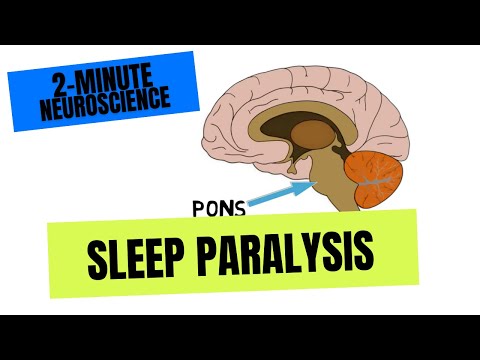
Have you ever had a dream that felt so real, you woke up thinking, “Wow, that was intense”?
This blog provides content for informational, educational, and reflective purposes only. The information published here does not constitute medical, psychological, or psychiatric advice, and it does not replace the evaluation, diagnosis, treatment, or individualized guidance of a properly licensed professional. If you believe you may be experiencing a psychological or health-related issue, consult a qualified professional as soon as possible before making important decisions about your well-being. Do not self-medicate or start, stop, or change medications, therapies, or treatments on your own. While we aim to provide useful and accurate information, we do not guarantee that it is complete, current, or suitable for every situation. Your use of this content is at your own risk, and reading it does not create a professional, clinical, or therapeutic relationship with the author or this website.
And then there are those dreams that just leave you feeling drained. You know, the ones where you’re running but can’t quite move?
It’s wild how our dreams can stir up emotions.
But what if I told you those paralyzed dreams might actually say something about your mental health?
You might be thinking—what do my dreams even have to do with my mind’s state?
Well, it’s deeper than you might think. Let’s unpack this together.
Understanding Sleep Paralysis: The Truth Behind the ‘Demon’ Experience
Sleep paralysis can feel like a scene from a horror flick, but it’s more common than you might think. You know that feeling when you wake up and can’t move? It’s like your body is still asleep but your mind is wide awake. Seriously, it’s unsettling.
When this happens, some people report seeing things—incredibly realistic shadows or figures that seem to hover over them. Some even describe feeling an oppressive weight on their chest or struggling to breathe. This leads many to think there’s a demon or some evil spirit involved. But the reality is far less supernatural and much more rooted in our minds.
Essentially, sleep paralysis occurs during the transition between sleep and wakefulness. When you’re falling asleep or waking up, your brain sometimes gets stuck between these states. Your mind’s awake but your body hasn’t caught up yet. It can feel freaky and confusing.
So why do these strange experiences happen? There are a few possible culprits:
- Sleep Deprivation: Not getting enough shut-eye can trigger episodes.
- Stress and Anxiety: High levels of stress may make you more susceptible to sleep disturbances.
- Sleep Disorders: Conditions like narcolepsy can increase the chances of experiencing sleep paralysis.
- Sitting too long awake: If you’re napping during the day or getting inconsistent sleep patterns, it messes with your natural cycles.
When facing sleep paralysis, the fear isn’t just about what you see; it’s about how it affects your mental health. The dread of having an episode might lead to anxiety around sleeping itself. You might end up avoiding naps altogether or losing out on quality rest because you’re worried about waking up unable to move.
Sometimes talking about it helps—believe me! I remember chatting with a friend who went through this and thought they were losing it for sure. Just knowing they weren’t alone made it easier for them to handle those weird nights.
The good news is that while it’s scary in the moment, most people experience sleep paralysis only occasionally—like an unwelcome guest at your slumber party who shows up every now and then. If it’s happening often or really affecting your life, it might be time to reach out for help. Therapists can guide you through coping mechanisms that lessen anxiety and promote better sleeping habits.
In short, sleep paralysis doesn’t mean there’s something demonic hovering around—it’s more about how our bodies and minds sync (or don’t) during those sleepy transitions. So next time you hear someone mention their encounter with “the demon,” remind them of the science behind it all—and maybe share a laugh too!
Understanding Sleep Paralysis: Can It Really Be Life-Threatening?
Sleep paralysis is one of those creepy things that can really freak you out. You know, it’s that moment when you wake up, and your body just won’t budge. Your brain is awake, but your muscles are like, «Nah, not today.» It can feel like you’re stuck in a bad dream while being fully aware of what’s happening around you. It usually lasts just a couple of seconds or maybe a minute at most, but man, it feels like forever in the moment.
So here’s the deal: sleep paralysis occurs when you transition between sleep stages. The body goes through cycles of REM (Rapid Eye Movement) and non-REM sleep. During REM sleep, your mind is busy dreaming, but your body is effectively paralyzed to keep you from acting out those dreams. Sometimes, you might wake up while still in this REM phase. That’s when the fun starts—you’re conscious but unable to move or speak.
Now let’s tackle the juicy part: **Can sleep paralysis be life-threatening?** The short answer? Nope! For most people, sleep paralysis isn’t dangerous physically. It’s not going to stop your heart or anything like that. However, it can be emotionally jarring and lead to anxiety or panic attacks afterward.
But let’s dig a bit deeper into the emotional side of things because that’s where it gets interesting! Sleep paralysis can sometimes be linked to mental health issues. People who experience anxiety, depression, or PTSD might have more frequent episodes. That tight feeling in your chest and racing thoughts during these episodes can cause even more anxiety about sleeping again—like associating sleep with fear.
So what causes it? A few factors play into the mix:
- Sleep deprivation: Not getting enough Zzz’s can contribute to these eerie experiences.
- Irregular sleeping patterns: Shift work or inconsistent bedtime routines can mess with your internal clock.
- Sleep disorders: Conditions like narcolepsy increase the likelihood of experiencing sleep paralysis.
- Stress: High levels of stress and anxiety often correlate with higher occurrences.
To put it in perspective: imagine lying in bed after a long week at work filled with stress and late nights. You drift off but wake up unable to move—and then see something unsettling at the edge of your vision? That terrifying mix makes for a memorable night!
For folks dealing with persistent sleep paralysis episodes, talking to a mental health professional could help manage any underlying issues—and might reduce those pesky occurrences too! Sometimes just understanding what’s happening goes a long way in easing anxiety.
In summary: While sleep paralysis isn’t life-threatening physically, its emotional toll shouldn’t be ignored either. If you’re having these experiences regularly and they’re freaking you out—don’t hesitate to reach out for support! Sleep should be restful and not something that leaves you dreading bedtime.
Understanding the Link Between Sleep Paralysis and Mental Health: Insights and Coping Strategies
Sleep paralysis can be super unsettling. Imagine waking up and feeling totally awake, but you just can’t move. It’s like your body is still asleep while your mind is wide open. This phenomenon usually lasts a few seconds to a couple of minutes, but it can feel like an eternity. But guess what? There’s more to this than just a freaky experience—there’s a link between sleep paralysis and mental health worth digging into.
First off, let’s talk about what causes sleep paralysis. It tends to happen when you’re in that weird space between wakefulness and sleep. If you’re stressed, anxious, or dealing with other mental health issues, the chances of experiencing it might increase. Some studies suggest that people with anxiety disorders or those who are highly stressed are more likely to face episodes of sleep paralysis. So, if you’ve had a rough day or you’re juggling lots of worries in your mind, it might pop up when you least expect it.
Now, how does this tie into mental health? Well, people who often deal with things like anxiety or depression might find themselves in a nasty cycle. Sleep paralysis can feel terrifying, which then leads to more anxiety about going to sleep again. You know that feeling when you dread something because you’re afraid of how bad it could be? That fear can make getting quality rest even harder.
Another piece of the puzzle is how our bodies react. When we’re stressed or feeling unwell mentally, our bodies produce more stress hormones like cortisol. This disrupted chemical balance can mess with your sleep patterns and increase the likelihood of experiencing those paralyzed moments at night.
Coping strategies? Yeah, they exist! Here are some that could help:
- Prioritize your sleep hygiene. Keep a regular sleep schedule and create a comfy sleeping environment—think dark room and comfortable mattress.
- Meditation and relaxation techniques. Try deep breathing exercises or mindfulness practices before bed; they could help calm racing thoughts.
- Avoiding stimulants. That means stepping away from caffeine or screens before hitting the hay; they can interfere with restful sleep.
- Talk it out. Sharing experiences with someone can lessen the fear associated with these episodes; consider joining support groups online or in person!
- If needed, reach out for professional help. A therapist specializing in anxiety may offer practical tools for moving past those spooky moments at night.
A friend of mine once shared their experience—waking up frozen on their bed staring at shadows morphing into figures on their wall. It was terrifying! They felt helpless until they started using some coping strategies like journaling about their dreams and focusing on breathing exercises before bed.
In short, while sleep paralysis itself isn’t necessarily harmful—it sure feels like it! Recognizing its connection to mental health concerns is crucial for finding relief from both the paralysis and any lingering fears tied to it. Getting support from friends or professionals might just turn those paralyzed dreams into peaceful nights instead!
You know, we all have these dreams and aspirations that spark joy inside us, right? They fuel us, push us to wake up in the morning. But sometimes, life throws a curveball, and those dreams feel paralyzed. It’s like trying to watch your favorite show, but the screen’s stuck on buffering. Frustrating, huh?
Take my buddy Lisa, for example. She always dreamed of becoming a graphic designer. Super talented! But then anxiety kicked in—like an unexpected guest who just wouldn’t leave. The more she stressed about her portfolio and landing a job, the less she created. It’s wild how pressure can crush creativity and leave you standing still.
So what’s the deal with these paralyzed dreams? For many folks, it’s not just about motivation or willpower. Mental health plays a huge role here. When you’re battling anxiety or depression, it’s like you’re walking through mud—exhausting! Some days even getting out of bed feels like climbing a mountain.
And then there’s this pressure from society that says you’ve got to chase your dreams relentlessly. But when you’re dealing with mental health challenges, that can feel less like inspiration and more like judgment. “Why haven’t you achieved this yet?” “Don’t you want it enough?” Those questions can weigh on your mind.
You start doubting yourself; it creates this cycle where fear and self-criticism hold onto your dreams tighter than ever before. It can feel isolating too—like you’re alone in this battle while everyone else seems to be flying high.
But here’s the thing: it’s okay to pause and breathe without feeling guilty about it! Seriously! Just because your dreams are on hold doesn’t mean they’re gone forever. Sometimes taking a step back is what you need to gain clarity or even reconsider what those dreams look like now.
So if you’re feeling stuck or paralyzed in any way—don’t hesitate to reach out for support. Whether it’s talking with friends or thinking about therapy options, sharing what you’re going through can lift some of that weight off your shoulders.
At the end of the day, our mental health journey is as unique as our dreams themselves. And while some dreams might take longer to chase down, they don’t have to stay frozen forever—as long as we keep looking for ways to thaw them out together.