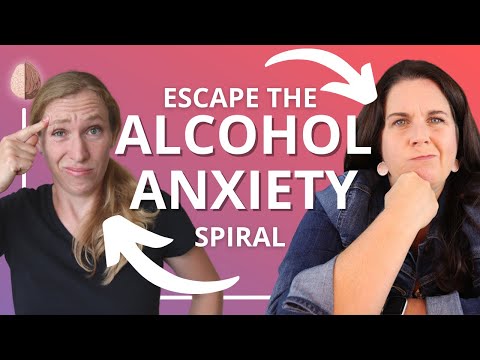
You ever notice how a couple of drinks can change the vibe? One moment you’re laughing, and then—bam!—you start feeling like everyone’s out to get you.
This blog provides content for informational, educational, and reflective purposes only. The information published here does not constitute medical, psychological, or psychiatric advice, and it does not replace the evaluation, diagnosis, treatment, or individualized guidance of a properly licensed professional. If you believe you may be experiencing a psychological or health-related issue, consult a qualified professional as soon as possible before making important decisions about your well-being. Do not self-medicate or start, stop, or change medications, therapies, or treatments on your own. While we aim to provide useful and accurate information, we do not guarantee that it is complete, current, or suitable for every situation. Your use of this content is at your own risk, and reading it does not create a professional, clinical, or therapeutic relationship with the author or this website.
Yep, that’s paranoia creeping in. It’s wild how alcohol can mess with our minds. You’d think it would chill you out, but for some people, it flips the script.
And trust me, this isn’t just some random thing. There’s a real connection between alcohol use and those paranoid thoughts that sneak up on you.
Let’s chat about what’s going on there.
Understanding the Distinction: Alcohol-Induced Psychosis vs. Delirium Tremens
When it comes to understanding the effects of alcohol on the mind, things can get pretty complicated. Two serious conditions that can arise from drinking too much are alcohol-induced psychosis and delirium tremens (DTs). They might sound similar, but they’re actually different beasts. Let’s break it down a bit.
Alcohol-induced psychosis is essentially when someone loses touch with reality due to heavy drinking. This can happen during or after a long binge. Imagine someone who was partying for days straight, then suddenly starts hallucinating or believing people are out to get them. Scary, right? They might see things that aren’t there or hear voices. These symptoms can linger even after the person stops drinking for a while.
On the flip side, you’ve got delirium tremens, which is like the horror movie version of alcohol withdrawal. This usually kicks in about 48-72 hours after someone stops drinking, especially if they’ve been heavy drinkers for a long time. Symptoms include severe confusion, agitation, and often uncontrollable shaking—kind of like your body throws a tantrum because it’s missing alcohol.
- Treatment Approach: For alcohol-induced psychosis, doctors typically focus on stabilizing the individual and may use antipsychotic medications to help manage symptoms. With DTs, it’s more about managing withdrawal with medications like benzodiazepines to calm the nervous system down.
- Timing: The timing of these conditions differs too. Alcohol-induced psychosis can happen during intoxication or shortly after stopping drinking, but DTs are specifically linked to withdrawal and show up only after not drinking.
- Duration: Symptoms from alcohol-induced psychosis can last longer compared to DTs; once treated effectively, DTs may resolve in a few days.
If we think about real-life situations: picture your friend Sam who hits the bottle really hard at parties. One night he starts talking about how he thinks everyone’s plotting against him—this could be alcohol-induced psychosis! Then there’s Dave who abruptly quits drinking after months of heavy use and starts shaking uncontrollably while sweating buckets—it sounds like DTs knocking at his door.
The connection between these conditions and paranoia? Well, both phenomena might trigger feelings of paranoia or intense fear—especially if someone feels their perception is altered or they’re withdrawing from something physically addictive like alcohol.
The key here is recognizing what’s happening and getting help quickly—the sooner someone reaches out for support when dealing with serious issues related to alcohol use, the better their chances are for recovery without further complications!
Unmasking the Oversight: Understanding the Hidden Struggles of Alcohol Use Problems in Medical and Mental Health Care
Alcohol use problems can be a tough subject to tackle, especially when they’re wrapped up in mental health issues. You know, it’s like having a double whammy—struggling with both alcohol and mental health concerns. The tricky part is that these issues often fly under the radar in medical settings. Medical professionals might not always catch on to how deep the connection really is.
Linking Alcohol Use and Mental Health
When people drink heavily, it doesn’t just affect their liver or heart— it can seriously mess with their mind. Many folks don’t realize that alcohol can amplify feelings of paranoia. Imagine you’re at a party, drinking and laughing. But then, as the night goes on, you start feeling uneasy, thinking everyone’s whispering about you or judging your every move. That surge of anxiety can feel unbearable.
But this isn’t just party talk. Research shows a solid connection between heavy drinking and increased paranoia, especially if someone already has underlying mental health issues like anxiety or depression. It’s like pouring gasoline on a fire; if the mental health struggles are there, alcohol just makes them worse.
The Oversight in Care Settings
Here’s where things get sticky: medical and mental health providers often overlook alcohol misuse during treatment sessions. A therapist might focus solely on your depression but not ask you about your drinking habits. Or a doctor could prescribe medication without realizing that alcohol could interfere with its effectiveness.
It’s crucial for healthcare providers to ask about alcohol use regularly:
- Symptoms Overlap: Many symptoms of alcohol misuse overlap with mental health issues.
- Stigma: There’s still stigma around discussing drinking problems openly.
- Lack of Training: Not all healthcare professionals receive adequate training to address addiction.
This oversight can lead to misdiagnosis and ineffective treatment plans.
Anecdote Time
I once sat down with a friend who had been struggling with anxiety for years. He was always nervous about social situations and found solace in drinking before going out—just to take the edge off! Each time he’d drink more than planned, his paranoia would spike; he thought his friends were annoyed by him or secretly discussing his behavior behind his back.
When he finally opened up to his therapist about both issues, they started addressing how much he was really drinking alongside his anxiety treatment—turns out they were interlinked! Once they tackled both aspects together, things started changing for him.
The Path Forward
To improve care for people dealing with these intertwined struggles, practitioners need better training on detecting alcohol use problems during mental health assessments. Regular screenings for substance use should be normalized across all healthcare environments. Plus, conversations around addiction should feel safe—not stigmatized.
The goal is not just treating symptoms but getting to the root causes of why someone turns to alcohol in the first place. If we could shine light on these hidden struggles more effectively, who knows how many lives could be changed? It really is about unmasking those layers beneath the surface so everyone gets the help they deserve!
Exploring the Long-Term Impact of Alcohol on Mental Health: Key Insights and Effects
Alcohol can really mess with your mental health over the long haul. It’s more than just a buzz or a way to unwind after a long day. Sure, many people enjoy a drink socially, but if you’re hitting the bottle frequently or heavily, things can spiral out of control. Let’s break this down.
First off, alcohol is a depressant. This means that while it might seem like it lifts your mood initially, it usually ends up dragging you down later. You know that feeling when you wake up after a night of drinking and all you can think about is how awful you feel? That’s your body reacting to the depressant effects of alcohol, and it can trigger anxiety and other negative emotions.
Paranoia is one of those tricky mental health effects that can pop up with alcohol use. When you drink too much over time, your brain starts to experience changes in how it processes information and feelings. This might lead you to feel suspicious or mistrustful of others—even when there’s no real reason for it. Like, imagine having an argument with a friend who’s just trying to help you, but instead, your brain jumps straight to thinking they’re plotting against you.
Long-term drinking can also lead to cognitive decline. That means your memory and focus may start taking hits too. You could find yourself struggling to remember details or feel foggy about what happened during nights out—or even just regular conversations! It’s almost like trying to wade through thick fog every day.
Let’s not forget about relationships either! Alcohol often creates rifts between people—you might isolate yourself more because of paranoia or the shame of drinking too much. This isolation feeds into mental health issues like depression and anxiety, creating an ugly cycle that’s hard to escape.
In addition to these symptoms, there’s also the risk of developing more serious conditions like alcohol use disorder. This isn’t just “I drink too much sometimes.” It seriously affects every aspect of life—relationships suffer, work performance slides downhill, and overall well-being declines.
To put it simply: if you’re concerned about how much alcohol is affecting your life and mind in the long run, it’s definitely worth having a chat with someone who gets it—like a therapist or counselor. Keeping an eye on these potential impacts can make all the difference in keeping your mental health in check.
To sum it up:
- Alcohol acts as a depressant; initial good vibes fade.
- Long-term use may lead to paranoia—suspicious thoughts sneak in.
- Cognitive decline affects memory and focus.
- Relationships suffer due to isolation and shame.
- You risk developing serious disorders affecting daily life.
Hey, taking care of your mental health is key! If drinking feels like it’s getting outta hand or leading down dark paths—don’t hesitate! Reaching out for support could be the best step forward for you.
So, let’s chat about something that can get pretty complicated: the connection between alcohol use and paranoia. Seriously, it’s a real thing that affects a lot of people, but it’s often not talked about enough.
You know, I once had a friend who would drink pretty heavily on weekends. At first, it seemed like good fun—laughing, dancing, just having a blast. But as the night wore on and the drinks kept flowing, I noticed this change in him. He started to get really jumpy and suspicious of everyone around him. Even if his friends were just trying to help him out or be silly. He’d glance around like someone was watching him or plotting against him. It was kinda sad to watch.
What happens is when you drink alcohol, it can mess with your brain chemistry, like big time. Alcohol is a depressant—yep, it’s true! And when you’re drunk or coming down from being drunk, all those emotional responses can really go haywire. Paranoia can sneak in as our brain tries to process the world around us while being influenced by all those drinks.
On one hand, for some folks who already struggle with anxiety or other mental health issues, drinking might feel like an escape—at least for a bit. But then there’s this slippery slope where alcohol exacerbates problems instead of helping them out. It kinda gets twisted because you might start feeling paranoid about things that wouldn’t usually bother you or overthink social interactions like nobody’s business.
But it’s not just people with existing mental health issues who struggle either. For anyone drinking regularly or heavily over time—even if they don’t think they have issues—it’s still possible to develop paranoia as part of the package deal with alcohol use.
So here’s the thing: if you find yourself feeling more anxious or paranoid after drinking (or during), it could be time to take a step back and reevaluate your relationship with alcohol. Sometimes we just need to be kind to ourselves and recognize when something isn’t serving us anymore.
To sum it up? Alcohol might seem fun at first glance but hang on tight when any signs of paranoia start creeping in because that could lead down some pretty rocky roads for mental health down the line!