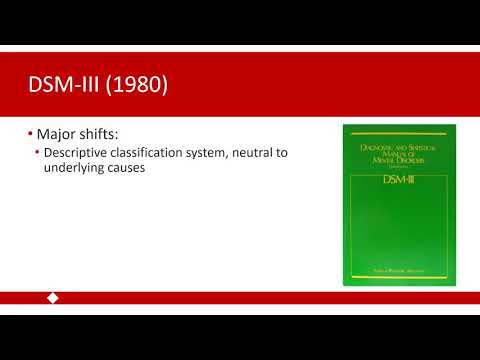
Okay, so let’s talk about this thing called the DSM-5.
This blog provides content for informational, educational, and reflective purposes only. The information published here does not constitute medical, psychological, or psychiatric advice, and it does not replace the evaluation, diagnosis, treatment, or individualized guidance of a properly licensed professional. If you believe you may be experiencing a psychological or health-related issue, consult a qualified professional as soon as possible before making important decisions about your well-being. Do not self-medicate or start, stop, or change medications, therapies, or treatments on your own. While we aim to provide useful and accurate information, we do not guarantee that it is complete, current, or suitable for every situation. Your use of this content is at your own risk, and reading it does not create a professional, clinical, or therapeutic relationship with the author or this website.
You know, that big ol’ book that helps diagnose mental health stuff? Yeah, it’s kinda a big deal in therapy and psychiatry circles.
But honestly, it wasn’t always like that. The DSM has evolved quite a bit over the years—like seriously!
From how they classify things to the language they use, it’s changed to better reflect what we understand about mental health.
I mean, think about it: our understanding of mental health is growing all the time! It’s wild how much has shifted.
So why does all this matter? Well, it affects so many people—practitioners and patients alike!
Let’s dig into this evolution together and see just how far we’ve come!
Understanding DSM-5: Essential Insights into Mental Disorder Classifications in a Comprehensive PPT
Understanding the DSM-5 can feel a bit overwhelming, but let’s break it down together. The DSM-5 stands for the **Diagnostic and Statistical Manual of Mental Disorders, Fifth Edition**. It’s basically the go-to book for mental health professionals when diagnosing mental disorders. Think of it like a big manual that offers guidance on how to identify various conditions.
What’s New in DSM-5?
The latest edition, which was published in 2013, brought some pretty significant changes compared to its predecessor, the DSM-IV-TR. For starters, it moved away from some outdated concepts and classifications. For example, conditions like **Asperger’s syndrome** were folded into the broader category of Autism Spectrum Disorder. This change reflects a better understanding of how these conditions relate to each other.
Another big shift was in how disorders are categorized. The old DSM used a multi-axial system that separated different areas of mental health concerns into five axes. The new version got rid of this approach entirely. Instead, it focuses on a more streamlined classification system that looks at disorders through a more integrated lens.
Categories in the DSM-5
You’ve got different categories for diagnoses that cover a wide range of symptoms and experiences:
- Anxiety Disorders: Includes things like generalized anxiety disorder and panic disorder.
- Mood Disorders: Here you find major depressive disorder and bipolar disorder.
- Psychotic Disorders: Schizophrenia is probably the most recognized condition here.
- Eating Disorders: Anorexia nervosa and bulimia are classic examples.
- Personality Disorders: This includes borderline personality disorder among others.
The Evolution Aspect
So why did we need an update? Well, over time, our understanding of mental health has evolved significantly. Research has led to a better grasp of how different factors—like biology, environment, and psychology—impact our minds. The DSM-5 aims to incorporate those insights into its classifications.
Consider this: someone may have symptoms that fit multiple categories. In past editions, they might not have received clear guidance on where they belong. The DSM-5 recognizes this complexity by allowing for more nuanced diagnoses. This helps clinicians understand their clients better and tailor treatment accordingly.
The Importance of Reliability
One crucial aspect is reliability in diagnosis. Using standardized criteria means that two different professionals using the DSM-5 should arrive at similar conclusions about someone’s mental health status—assuming they’re looking at the same symptoms! That consistency is vital because it lays a foundation for effective treatment.
However, there’s always room for growth! Some folks argue that certain conditions are still questioned or misunderstood within these classifications. Take **Generalized Anxiety Disorder**, for instance—a lot of people feel overwhelmed by daily life stressors but might not fit neatly into diagnostic criteria.
In summary, understanding the DSM-5 isn’t just about knowing what each term means; it’s about seeing how we classify complex emotional experiences with evolving knowledge over time. So next time you hear someone mention it, remember: it’s much more than just another psychiatric book!
Essential DSM-5 Cheat Sheet PDF: Quick Reference for Mental Health Professionals
So, the DSM-5, or the Diagnostic and Statistical Manual of Mental Disorders, Fifth Edition, is this big deal in mental health. It’s basically a huge book that helps professionals diagnose mental health conditions. You could think of it like a guidebook or roadmap that lays out criteria for various disorders. Over time, it’s evolved quite a bit. Here’s what you need to know about its evolution and some key points you might find handy.
First off, the DSM-5 was published in 2013 after lots of research and debates among experts. This edition made several changes from its predecessor, the DSM-IV-TR, which came out way back in 2000. One major change is how it approached diagnoses—rather than treating them as separate entities, it started recognizing that many disorders can share symptoms.
The DSM-5 also introduced an important concept called “dimensional assessments.” Instead of just saying someone has a disorder or not, this method looks at severity levels. For example, with depression, instead of just a yes or no answer, you might see scales that indicate mild to severe symptoms. This gives professionals more nuance when they’re diagnosing and treating clients.
Another thing that stands out is the inclusion of cultural considerations. It acknowledged that culture plays a significant role in how mental health issues are perceived and expressed. So you could have someone who seems to fit the criteria for anxiety but expresses it in ways influenced by their culture—like through physical symptoms rather than verbalizing feelings.
Now onto some quick reference points for those working with the DSM-5:
- Bipolar Disorders: They split what used to be just «Bipolar Disorder» into categories like Type I and Type II based on whether episodes were manic or hypomanic.
- Anxiety Disorders: This category now includes OCD and PTSD as separate from anxiety disorders because they have distinct features.
- Autism Spectrum Disorder: Instead of different types like Asperger’s or PDD-NOS, there’s now one umbrella term making it easier to understand.
- Addictive Disorders: Substance use disorders now encompass substance intoxication and withdrawal issues under a single banner.
You might come across other tools like cheat sheets or quick reference guides too while studying or practicing with the DSM-5. These can help make navigating through all those terms less daunting when you’re in a clinical setting; honestly, they’re lifesavers during sessions.
Let’s take an example: if you’re seeing a client who shows signs of low mood and fatigue but also reports trouble concentrating—using a cheat sheet can help you pin down whether they fit into the criteria for depression versus another condition like anxiety. It gives clarity where things might feel murky.
In essence, evolution in practices reflected in the DSM-5 signifies an ongoing effort to better understand mental health complexities. You know these updates aren’t just about reorganizing things; they’re about delivering better care tailored to individual experiences—you follow me? That’s super important for anyone working in the field!
So there ya go! The DSM-5 isn’t just some dusty old book—it’s actively shaping conversations around mental health today!
Understanding the DSM-5: A Comprehensive Guide to Mental Health Diagnosis
Understanding the DSM-5 is like peeling back the layers of an onion, revealing how we classify mental health conditions. The Diagnostic and Statistical Manual of Mental Disorders, Fifth Edition, or DSM-5, is basically the go-to guide for mental health professionals in the U.S. It helps them diagnose and treat a variety of mental health issues.
The DSM-5 evolved from earlier versions, so let’s take a quick look at its journey. The first one came out in 1952! Back then it was more about categorizing disorders without much scientific backing. Fast forward to 2013, when the DSM-5 was released—it’s way more comprehensive and research-driven.
One thing that stands out in the DSM-5 is how it organizes mental health diagnoses. It categorizes disorders into different groups, making it easier for professionals to find what they need. Here’s how it breaks down:
- Neurodevelopmental Disorders: These are typically diagnosed in childhood and include conditions like Autism Spectrum Disorder.
- Anxiety Disorders: This group covers a range of issues from Generalized Anxiety Disorder to Panic Disorder.
- Obsessive-Compulsive and Related Disorders: Think things like OCD or Body Dysmorphic Disorder.
- Trauma- and Stressor-Related Disorders: This includes PTSD—pretty common after experiences involving trauma.
- Affective Disorders: Here you’ll find mood disorders such as Depression and Bipolar Disorder.
So what happened with the changes? Well, for one, they redefined some terms that were outdated. For example, homosexuality was removed from the list of mental disorders in earlier editions. Plus, they introduced new categories based on current research—like binge eating disorder becoming its own thing instead of just lumped with other eating disorders.
But diagnosis isn’t just about matching symptoms to a label. The DSM-5 emphasizes that context matters! So if someone meets criteria for depression but it’s due to some life stressors like loss or unemployment? That’s taken into account during diagnosis.
Now here’s something important: while the DSM-5 is crucial for getting people help it also has limitations. Labels can sometimes feel stigmatizing; you know? Like being defined primarily by your struggles can be tough emotionally.
Another evolving area is cultural competence within diagnoses. The DSM-5 recognizes that culture plays a huge role in how symptoms are expressed and understood—so it encourages clinicians to think about this when diagnosing clients from different backgrounds.
Overall, understanding the DSM-5 helps demystify mental health diagnoses. It’s not just a list; it’s a guideline shaped by research that aims to improve people’s lives by providing clarity around their experiences.
In essence, if we can see through these classifications as tools—not boxes—it might just change how we think about mental health overall!
The DSM-5, or Diagnostic and Statistical Manual of Mental Disorders, is like the big book that therapists and psychiatrists turn to when they’re trying to figure out what might be going on with someone’s mental health. It’s had quite a journey, you know? From its early days as a pretty basic list of mental disorders to a much more complex resource.
When I think about the changes in the DSM-5, it kinda reminds me of how we all grow up and evolve. Like, remember that awkward phase when you were just trying to fit in? The DSM went through its own growth spurts too. Sure, it started with some straightforward categories and labels, but as understanding deepened about mental health—hey, we’re not one-dimensional people!—it needed to reflect those complexities.
Take something like PTSD; in earlier editions, it was more rigid. But now it recognizes a wider range of traumas—not just war veterans but anyone experiencing serious trauma. That’s pretty huge because it validates so many different experiences. It’s like when you finally feel heard after years of not being understood; these shifts in the DSM help people feel seen.
But here’s the thing: with all this evolution comes some criticism too. As new conditions get added or redefined, there’s a debate about whether we’re medicalizing normal human emotions or behaviors. I mean, if someone feels overwhelmed by life at times—that doesn’t mean they have a disorder, right? It can be tricky!
And then there are those moments when someone I care about has faced diagnosis confusion because of how fluid these definitions can be. It makes you realize that labels aren’t everything; they can sometimes box you in rather than just help explain what you’re feeling.
In essence, while the evolution of the DSM-5 has made strides in representing mental health better—it shows us that we’re not so black and white—it also reminds us to tread carefully with those labels. There are still layers of human experience that numbers and categories can’t fully capture. So yeah, while it’s helpful for professionals to have this guidebook, emotional experiences are still beautifully complicated—you know?