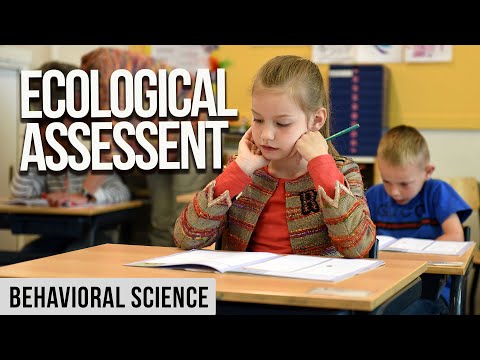
You know how sometimes life feels a bit out of whack? Like, everything’s just a bit off-kilter?
This blog provides content for informational, educational, and reflective purposes only. The information published here does not constitute medical, psychological, or psychiatric advice, and it does not replace the evaluation, diagnosis, treatment, or individualized guidance of a properly licensed professional. If you believe you may be experiencing a psychological or health-related issue, consult a qualified professional as soon as possible before making important decisions about your well-being. Do not self-medicate or start, stop, or change medications, therapies, or treatments on your own. While we aim to provide useful and accurate information, we do not guarantee that it is complete, current, or suitable for every situation. Your use of this content is at your own risk, and reading it does not create a professional, clinical, or therapeutic relationship with the author or this website.
Yeah, that’s where ecological assessment comes into play. It’s not just some fancy term. It’s a way to understand people in their world.
Imagine looking at all the little things around you—your environment, your routines, and how they affect your behavior.
It’s kinda cool when you think about it! We’re talking about real-life situations and how they shape us.
In the realm of Applied Behavior Analysis (ABA), this stuff is gold for figuring out what works for you and what doesn’t.
So, let’s unpack this together!
Understanding Ecological Assessments in Applied Behavior Analysis: A Comprehensive Guide
Ecological assessments in applied behavior analysis (ABA) are a pretty cool way to get a well-rounded view of someone’s behavior in their natural environment. It’s all about understanding how different factors—like your surroundings, routines, and even the people around you—shape your actions. Seriously, it’s not just about sitting down and getting a checklist done; it’s more like piecing together a puzzle that shows the big picture.
What is an Ecological Assessment? Well, think of it as looking at someone’s life from all angles. Instead of just analyzing what they’re doing at a certain time or place, you consider everything that influences their behavior. This can include family dynamics, social interactions, and even environmental settings like home or school.
When you’re conducting an ecological assessment, you’ll typically dive into three main areas:
- The individual: This is where you look at personal factors like age, interests, and any challenges they might face.
- The environment: Here’s where we check out the settings the person interacts with daily. Is it calm? Chaotic? Supportive?
- The interactions: This includes relationships with peers and family—how do these connections impact behavior?
Now let’s connect this back to real life. Imagine a kid named Jamie who’s struggling with attention in class. An ecological assessment wouldn’t just ask if he pays attention or not; it would look deeper. Maybe Jamie has loud younger siblings at home that make focusing tough. Or perhaps his teacher uses a teaching method that doesn’t grab his interest at all. By understanding these external factors, you can develop tailored strategies to help him thrive in class.
Another key point is that these assessments often involve different methods—observation is big here. You might hang out in the environment while taking notes on what’s happening around them as they go through their day-to-day life. That gives real insight into the context of behaviors rather than relying on just self-reports or standardized tests.
Why does this matter? Well, once you’ve gathered all this info, you can create effective interventions based on actual need instead of guesswork. It shifts the focus from “fixing” someone to better understanding how their world works—and isn’t that more compassionate?
In short, ecological assessments give us a holistic view of behavior by taking into account various influencing factors rather than viewing behaviors in isolation. So if you’re ever puzzled by someone’s actions—or your own!—this approach really helps clarify what’s going on beneath the surface.
Understanding Ecological Variables in Applied Behavior Analysis: Key Examples and Insights
I’m really excited to chat about ecological variables in Applied Behavior Analysis (ABA) and how they relate to wellness. So, let’s break it down.
Ecological variables are basically all the stuff in your environment that can influence behavior. Think of it as the setting where you live your life—the people around you, your routines, even the materials or tools you use every day. These factors play a huge role when you’re trying to understand behavior through ABA.
When we talk about ecological assessment, we’re looking closely at these variables to see how they affect someone’s actions, especially when we’re aiming for positive changes in things like wellness and behavior. It’s all about context!
For example, let’s say you’re working with a child who has trouble focusing at school. If you only analyze their behavior without considering their classroom environment—like noise levels, seating arrangements, or even peer interactions—you might miss key insights. Maybe that child is more distracted by a noisy classmate than by the lesson itself!
Some key ecological variables include:
- Physical Environment: Is it cluttered or organized? Does it have enough light? A calm space can help people feel less stressed.
- Social Environment: Who’s around? Supportive friends or family members can encourage positive behaviors.
- Cultural Context: Different backgrounds can impact what behaviors are encouraged or discouraged.
- Routine: Consistent daily schedules provide predictability and security for many people.
Now think about wellness practices like mindfulness or exercise. If someone is trying to meditate but lives in a chaotic household with constant interruptions, well… good luck finding that inner peace! Understanding these variables helps tailor interventions better.
Another thing worth mentioning is assessment tools. In ABA, professionals often use questionnaires or observe behaviors in different contexts to gather information about these ecological factors. This way, they get a more comprehensive picture of what might be affecting someone’s behavior.
Let me share a quick story: A therapist worked with a teenager who struggled with anxiety when transitioning from school to home life. By doing an ecological assessment, they discovered that the teen’s home was always chaotic after school due to siblings fighting and parents working long hours. The therapist suggested creating a quiet time after school where the teen could unwind before diving into homework. This small change made a big difference—less anxiety and improved focus!
All in all, understanding ecological variables isn’t just some abstract concept; it’s super practical for improving lives through ABA. By keeping an eye on the surroundings and context of behaviors, you’re setting up for success in helping someone thrive!
Understanding Ecological Assessments: Real-Life Examples and Insights
Ecological assessments might sound fancy, but they’re pretty much about understanding how people interact with their environment. It’s like taking a step back and looking at the big picture. You know, seeing not just the person but also their surroundings—like family, school, or work—and how all these factors affect behavior and wellness.
When we talk about ecological assessments in applied behavior analysis (ABA), we’re focusing on how different environments impact a person’s behavior. This is super important because it helps identify what’s happening in someone’s life that might be causing them stress or affecting their mental health. Think of it as looking for clues to understand someone better.
Now, let’s break this down a bit with some examples. Imagine a kid struggling in school. Instead of just looking at their grades or behavior alone, practitioners will check out what’s going on at home and in the classroom. Are they getting enough support from teachers? Do their parents have the time to help with homework? This holistic view is key.
Another example could be an adult dealing with anxiety at work. An ecological assessment would consider not only the individual’s coping strategies but also things like workplace culture, relationships with colleagues, and even their commute! Maybe they’re stressed out because of a long drive or an unsupportive boss.
In these assessments, you’ll often see professionals using tools like interviews or questionnaires to gather info from different sources—like family members or teachers—that can help paint a clearer picture. Collaborative input is essential here; different perspectives can reveal patterns that one-on-one sessions might miss.
But it doesn’t stop there! Observations are a big part of ecological assessments too. A therapist might spend time watching how someone interacts in various settings. This real-world insight helps them understand behaviors in context. Like if a child acts out at home but is quiet at school—what’s going on there?
Also, these assessments aren’t just for kids; adults benefit too! For instance, if someone is trying to lose weight, understanding their eating habits isn’t enough on its own. They might need to look at social influences like friends who encourage unhealthy eating habits when they hang out together.
So why does this matter? Well, when you grasp how these environments influence behavior, interventions can be tailored more effectively. Instead of using a one-size-fits-all approach—because let’s face it, that rarely works—you get customized strategies that resonate better with individuals based on their unique circumstances.
To sum up: ecological assessments are all about context and collaboration. They dig deep into how various aspects of your life influence your well-being and behavior—not just treating symptoms but addressing root causes through an understanding of your world around you. That approach can make all the difference when it comes to real lasting change!
Okay, so let’s chat about ecological assessment in the context of applied behavior analysis (ABA) and how it all ties into wellness. You know, when we think about wellness, it’s not just about feeling good on the inside but also about how our surroundings contribute to that. I mean, have you ever noticed how your mood shifts when you’re in a cluttered space versus a tidy one?
So, ecological assessment basically looks at the environment and how it affects behavior. It takes into account how factors like family dynamics, cultural background, and even your neighborhood can shape someone’s actions and feelings. It’s like asking, “What’s going on around you that impacts your mental health?” Imagine a kid struggling with anxiety; if their home environment is chaotic or stressful, that’s definitely going to mess with their ability to thrive.
And let me tell you a quick story that really highlights this idea. A friend of mine was working with a young girl who had some challenging behaviors at school—like outbursts and shutting down. They did an ecological assessment together and found out her home life was pretty tough; her parents were always fighting and she felt really unsafe there. Once they addressed those environmental issues along with other strategies in ABA, things started turning around for her.
When we take this approach in ABA to promote wellness, we’re basically saying: “Hey, let’s look beyond just the behavior itself.” You’re considering the bigger picture which can lead to more effective interventions because you’re tackling root causes rather than just symptoms. This way of thinking nails down the concept of holistic care in mental health. It’s super important because it acknowledges that our behaviors don’t happen in a vacuum—they’re influenced by everything around us.
Incorporating ecological assessments helps professionals develop tailored strategies for individuals based on their unique contexts. So instead of using a one-size-fits-all solution—which usually flops—you get these nuanced insights into someone’s experiences and needs.
All this shows us just how interconnected our lives are with our environments. If we can create spaces where people feel safe and understood—whether at home or school—that’s gonna be huge for overall wellness! So yeah, ecological assessments are like shining a light on those hidden factors that really play into mental health and behavior change. It’s all about making things better for people in a way that actually resonates with their lives!