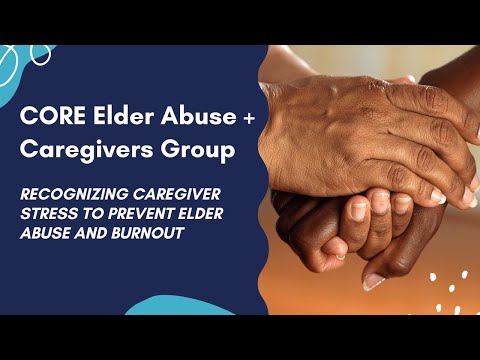
You know that feeling when you’re running on empty? Like, you just can’t take another step? That’s what caregiver burnout can feel like.
This blog provides content for informational, educational, and reflective purposes only. The information published here does not constitute medical, psychological, or psychiatric advice, and it does not replace the evaluation, diagnosis, treatment, or individualized guidance of a properly licensed professional. If you believe you may be experiencing a psychological or health-related issue, consult a qualified professional as soon as possible before making important decisions about your well-being. Do not self-medicate or start, stop, or change medications, therapies, or treatments on your own. While we aim to provide useful and accurate information, we do not guarantee that it is complete, current, or suitable for every situation. Your use of this content is at your own risk, and reading it does not create a professional, clinical, or therapeutic relationship with the author or this website.
Imagine being responsible for someone you love, juggling their needs with your own life. It’s rewarding, but exhausting, right? Seriously, it can wear you down faster than you think.
Many folks are in this boat, caring for aging parents or other family members. And while it feels noble, the toll it takes is real.
So let’s talk about recognizing those signs of burnout. We gotta face it head-on before it spirals out of control. Because, honestly? You deserve to take care of yourself too!
Assess Your Well-Being: Take the Caregiver Burnout Quiz Today
Caring for someone you love is rewarding, but let’s face it, it can also be exhausting. If you’re a caregiver, you might find yourself running on empty. This is what people refer to as **caregiver burnout**—a state of physical, emotional, and mental exhaustion that can sneak up on you.
So, how do you know if you’re experiencing burnout? One way is to take a **caregiver burnout quiz**. These quizzes typically ask about your feelings and experiences. You might reflect on **your mood, energy levels**, and how you manage daily tasks. It’s a way to pause and think about how caregiving affects your well-being.
Be honest with yourself when taking this quiz. For example, do you feel more frustrated than usual? Or maybe you’ve noticed you’re not enjoying things like before? Recognizing these signs is the first step toward taking care of yourself.
Here are some common indicators of caregiver burnout:
- Physical symptoms: Are you often tired or getting sick more frequently?
- Emotional fatigue: Do you feel overwhelmed or hopeless about your situation?
- Detachment: Have you started feeling distant from the person you’re caring for?
- Changes in sleep: Are you struggling to fall asleep or stay asleep at night?
When I was helping my mom care for my grandmother during her late years, there were moments when I felt completely drained. I loved my grandma dearly, but juggling work and looking after her needs felt like too much sometimes. It was hard to admit it; I thought asking for help would mean I wasn’t doing enough.
If any of those signs hit home for you, please know it’s okay to reach out for help. Caregivers often forget they need support too! This could be from friends or even professional services. Talking with someone who gets it can provide relief.
You don’t have to go through this alone. Addressing burnout involves recognizing your needs as well as the needs of the person you’re caring for. Sometimes small shifts in routine or getting help with tasks can make a huge difference in your emotional health.
Give yourself permission to take breaks! Seriously! Even short moments away from caregiving responsibilities can help recharge your batteries.
Taking time off might feel selfish at first but remember—by caring for yourself, you’ll be better equipped to care for others. After all, staying healthy physically and emotionally isn’t just beneficial for you; it’s vital for the ones who depend on you too.
In wrapping up this conversation about caregiver burnout: keep checking in with yourself regularly. That quiz? Just one tool among many that can help assess where you’re at emotionally and physically. So take that step today—it could lead to a serious turnaround in how you feel tomorrow!
Understanding the Stages of Caregiver Burnout: Signs, Symptoms, and Solutions
Caregiver burnout is something that sneaks up on you, doesn’t it? You start this journey out of love and commitment, but after a while, it can feel overwhelming. It’s like you’re carrying a mountain on your shoulders, and it’s exhausting. So how do you spot the signs, understand the stages, and find a way to cope? Let’s break it down together.
First off, what is caregiver burnout? Basically, it’s that mental and physical exhaustion that can happen when you’re caring for someone else—especially an elderly loved one—without enough support or time to recharge yourself. It’s *super* common but often overlooked.
Now, let’s talk about the stages of caregiver burnout. They can vary from person to person, but there are general phases you might recognize:
- The Honeymoon Phase: At first, things seem manageable. You feel energized by helping your loved one. The love fuels you!
- The Stress Phase: After some time, tasks become more demanding. You start feeling worn down and may even feel resentment creeping in.
- The Burnout Phase: This is where things get serious. You might feel physically drained and emotionally spent—a sense of hopelessness kicks in.
- The Habitual Burnout Phase: Here’s where you’re just going through the motions. You’ve settled into that burnt-out state without seeking help or relief.
It’s pretty wild how quickly things can change! One moment you’re all in; the next? You’re barely hanging on.
So what are some key signs and symptoms? Well:
- You constantly feel tired or drained.
- Your mood swings up and down like crazy.
- You struggle to sleep or find yourself sleeping too much.
- You lose interest in things you used to enjoy—like grabbing coffee with friends.
- Your relationships might start suffering because you’re not present.
- You experience physical symptoms like headaches or stomach issues.
It’s crucial to recognize these signs early on because ignoring them just makes everything worse.
Now let’s get into some possible solutions. Remember that taking care of yourself doesn’t mean you’re failing as a caregiver; it means you’re being wise! Here are a few ideas:
- Seek Support: Talk to other caregivers who understand what you’re going through. There are groups out there!
- Set Boundaries: It’s okay to say no sometimes or ask for help from family members—don’t go solo!
- Pursue Self-Care: Make time for activities that recharge your batteries—even if it’s just 15 minutes of quiet time with your favorite book.
- Acknowledge Your Feelings: It’s normal to feel overwhelmed or even angry at times. Let those feelings flow; they’re valid!
I once talked with a friend who was caring for her aging mother. At first, she thrived on being her mom’s rock. But over time? She became irritable and withdrawn until she realized she hadn’t taken a day for herself in months! Once she started reaching out for help and carving out “me-time,” life changed for her—it felt lighter again.
In short, recognizing caregiver burnout is crucial because it doesn’t just affect you—it impacts those you care about too. Take those warning signs seriously! And seriously consider finding ways to restore balance in your life every step along the way. You deserve it!
Understanding Spouse Caregiver Burnout: Signs, Causes, and Coping Strategies
Taking care of a spouse is a big deal, right? You might be the rock for them, but sometimes that role can wear you down. Spouse caregiver burnout is real, and it can sneak up on you when you least expect it. So what exactly is it? It’s that overwhelming feeling of exhaustion and stress from the constant demands of caregiving.
Signs of burnout can manifest in many ways. You might notice physical signs like fatigue or headaches. Or maybe you’re feeling more emotionally drained than usual, snapping at your loved one over little things. Some other signs can include:
- Feeling overwhelmed all the time.
- Withdrawing from social activities or even close friends.
- Struggling to concentrate on everyday tasks.
- Experiencing changes in sleep patterns, like insomnia or sleeping too much.
So what causes this burnout? Well, it’s often a mix of factors. The stress of managing daily needs can pile up quickly. If your spouse has chronic conditions or mental health issues, it gets even tougher since their care may demand more than you’re prepared for. Plus, if you feel unsupported or like there aren’t enough resources available to help you out, that just adds fuel to the fire.
And let’s not forget about the emotional side of things! You’re likely going through grief—grieving the life you once had together before illness took over. It’s totally understandable to feel resentful or guilty about feeling that way; you’re not alone in this!
So how do we cope with all this pressure? Here are some strategies that can seriously help:
- Prioritize self-care: Carve out time just for yourself! Whether it’s reading a book, taking a walk, or binge-watching your favorite series—do something that makes you happy.
- Seek support: Connect with local support groups where others get what you’re facing. Sometimes just chatting with someone who gets it can lighten your load.
- Set boundaries: It’s okay to say “no” sometimes! Establish limits on what tasks you’re willing to take on so you don’t feel overwhelmed.
- Talk about it: Open up to someone—a friend or therapist—about your feelings and experiences. Bottling things up isn’t healthy!
It’s pretty clear that burnout isn’t just about being tired; it’s a sign of emotional and physical strain that needs attention. Recognizing these signs early means you can take action sooner rather than later.
Honestly, allowing yourself to acknowledge these feelings doesn’t mean you’re failing as a caregiver—it means you’re human! Seeking help isn’t a sign of weakness; it’s an important step toward healing for both you and your spouse.
Keep in mind: taking care of yourself helps ensure you’re better equipped to care for your loved one down the road too! Remember, self-compassion goes hand-in-hand with compassion for others—it’s all part of the journey together!
Elder caregiver burnout, wow, that’s a heavy topic but super important. When you’re caring for an aging parent or relative, it can feel like you’re on this never-ending treadmill of responsibilities. You wake up every day thinking about their needs—medications, doctor appointments, daily routines—and it’s easy to forget about your own health and wellbeing along the way.
I have a friend who took care of her mom through some tough health issues. At first, she was all in. But gradually, she started feeling overwhelmed. I remember one night she called me, just crying because she felt like she was drowning under the weight of it all. She was exhausted—not just physically but emotionally too. It’s almost as if she lost herself in the process of being a caregiver.
Recognizing burnout is tricky though. It creeps up on you. One minute you’re doing fine and then something small triggers an emotional outburst or you find yourself irritable over little things that wouldn’t usually bother you. It’s like holding onto a balloon that starts off inflated but slowly deflates over time until it’s barely keeping its shape.
Addressing this kind of burnout means taking a hard look at what you’re feeling and why it’s happening. You might need to say no sometimes or ask for help from family or friends—and that’s okay! Seriously, nobody can do it all alone; we aren’t superheroes.
Finding small pockets of time for self-care can make a big difference too. Even if it’s just sipping coffee quietly before the day starts or sneaking in a quick walk around the block—it helps recharge those batteries just enough to keep going without feeling completely wiped out.
In the end, acknowledging that caregiving is tough doesn’t mean you love them any less; it means you’re human and trying your best in a demanding situation. So take care of yourself; you’ve got to fill your own cup before pouring into someone else’s!