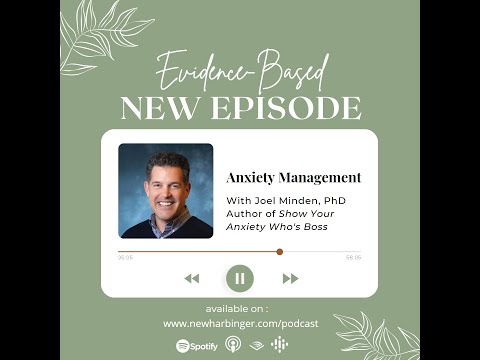
So, here’s the deal: mental health can be complicated, right? It’s like trying to solve a puzzle with a few pieces missing. But don’t worry! There are actual strategies that work, backed by real evidence.
This blog provides content for informational, educational, and reflective purposes only. The information published here does not constitute medical, psychological, or psychiatric advice, and it does not replace the evaluation, diagnosis, treatment, or individualized guidance of a properly licensed professional. If you believe you may be experiencing a psychological or health-related issue, consult a qualified professional as soon as possible before making important decisions about your well-being. Do not self-medicate or start, stop, or change medications, therapies, or treatments on your own. While we aim to provide useful and accurate information, we do not guarantee that it is complete, current, or suitable for every situation. Your use of this content is at your own risk, and reading it does not create a professional, clinical, or therapeutic relationship with the author or this website.
You might be feeling overwhelmed, or maybe you’re just curious about what actually helps. That makes total sense! We all want to feel better and find ways to manage stress or anxiety that actually make a difference.
In this chat, we’re gonna dive into some of these evidence-based strategies. You’ll find out what’s legit and what’s just noise. Let’s tackle this together and discover practical ways to improve mental health. Sound good?
Top Evidence-Based Practices for Improving Mental Health: A Comprehensive Guide
Improving mental health is a big deal, and there’s a lot we can do about it. You know, when it comes to mental well-being, some practices have really been proven to help. These are called evidence-based practices, and trust me, they’re worth knowing about.
One of the top strategies is cognitive-behavioral therapy (CBT). Basically, CBT helps you change negative patterns of thinking and behavior. Suppose you keep telling yourself you’re not good enough. Through CBT, you’d learn to flip that script. It’s like rewiring your brain—pretty cool, right?
Another one is mindfulness meditation. This practice helps you stay in the moment and really tune into what’s happening around you—think less worrying about tomorrow or dwelling on yesterday. Maybe you’ve tried apps that guide you through mindfulness exercises? Those can really ground you when life feels overwhelming.
Also on the list are exercise and physical activity. Seriously, moving your body releases those feel-good chemicals like endorphins. So if you’re feeling down, just going for a brisk walk could totally lift your mood. It doesn’t need to be anything intense; even a casual stroll can work wonders.
You know what else helps? Social support. Connecting with friends or family can be massively beneficial for your mental health. Having someone listen or just hang out with can make all the difference when you’re feeling low.
Now, we can’t forget about psychoeducation. This means learning more about mental health conditions and treatment options. When you understand what’s going on inside your head or body, it helps to reduce stigma and encourages people to seek help more easily—knowledge is power!
There’s also something called dialectical behavior therapy (DBT). This is especially useful for people who struggle with intense emotions or self-destructive behaviors. DBT teaches skills like emotional regulation and distress tolerance—it’s like having tools in your pocket for tough times.
And let’s chat about medication; while it’s not everyone’s first choice, sometimes it’s necessary for managing symptoms effectively. Medications like antidepressants or mood stabilizers can help balance things out chemically in the brain—just remember this should always be discussed with a healthcare provider.
So anyway, these evidence-based practices don’t just pop up out of nowhere; they come from years of research and real-world testing. They’re proven approaches that show serious promise in improving mental health outcomes.
You might want to think about giving some of these a try if you’re looking at ways to boost your emotional well-being! Make sure you’re open-minded but also listen to what works best for you personally—that’s key!
Comprehensive Guide to SAMHSA’s Evidence-Based Practices for Mental Health
The Substance Abuse and Mental Health Services Administration, or SAMHSA, plays a big role in promoting effective mental health practices. They focus on what works. So, when we talk about evidence-based practices, we’re diving into tried-and-true strategies that are supported by research. These approaches aim to improve mental health outcomes and are used across various settings.
One of the key features of SAMHSA’s evidence-based practices is that they’re grounded in actual data. This means they’ve been tested and shown to work for many people facing different challenges. These aren’t just random ideas; they come from years of study and analysis.
Cognitive Behavioral Therapy (CBT) is a great example here. It helps you identify negative thought patterns and replace them with more positive ones. Imagine you’re constantly thinking, “I’ll never get better.” CBT can help you challenge that thought and build healthier beliefs instead.
Another strategy is Motivational Interviewing (MI). This technique focuses on enhancing your motivation to change behaviors, especially in the context of addiction or other mental health issues. It’s like having a conversation where the therapist nudges you toward finding your own reasons for making changes in your life.
Also critical are Trauma-Informed Care practices. These approaches recognize the impact of trauma on individuals’ lives. Sometimes, people don’t realize their past experiences affect them today. By creating a safe environment and establishing trust, therapists help clients feel comfortable exploring those issues.
Group Therapy is another evidence-based approach highlighted by SAMHSA. In these settings, individuals can share experiences and support one another under the guidance of a therapist. It can be incredibly powerful to hear that someone else understands what you’re going through, right?
When it comes to implementing these practices effectively, SAMHSA emphasizes a couple of things:
- Cultural Competence: Understanding cultural backgrounds improves treatment effectiveness.
- Community Involvement: Engaging with community resources enhances support networks.
- Continuous Learning: Professionals should stay updated with ongoing training on new findings in mental health.
You know how sometimes we hear about «one size fits all» solutions? Well, that doesn’t work in mental health care! Different people need different approaches based on their unique situations and needs.
So, SAMHSA promotes not just sticking with what’s always been done but also encouraging innovations alongside established methods. They even provide tools and guides to help providers implement these evidence-based practices efficiently.
Remember that effective mental health management isn’t just about therapies or medications—it’s really about a holistic approach that considers individual needs while using proven strategies backed by research!
Top Evidence-Based Therapy Practices for Better Mental Health: A Comprehensive Guide
When it comes to mental health, finding effective therapy practices is super important. You want something that actually works, right? So let’s chat about some of the top evidence-based therapy approaches that can really help improve your mental well-being.
Cognitive Behavioral Therapy (CBT) is probably one of the most well-known forms. It’s all about changing those negative thought patterns that can mess with your head. Picture this: if you believe you’re terrible at socializing, you might avoid parties altogether. CBT helps you challenge that thought and maybe even go to a party or two! The focus here is on building skills that help manage anxiety and depression.
Another solid player in the therapy game is Dialectical Behavior Therapy (DBT). Originally designed for folks dealing with borderline personality disorder, it’s gained traction across various issues. DBT combines CBT with mindfulness techniques. You learn to stay present and regulate emotions better. So, if you’re feeling overwhelmed by your emotions—like angry or sad—DBT teaches you how to ride those waves without crashing.
Then there’s Mindfulness-Based Stress Reduction (MBSR). This one focuses on being aware of the present moment without judgment. It can be a real game changer if anxiety or stress gets too loud in your life. Let’s say you’re sitting in a meeting feeling anxious; MBSR might encourage you to focus on your breathing instead of spiraling down negative thoughts.
Interpersonal Therapy (IPT) deserves a shout-out too! This type zeroes in on improving relationships and communication skills while addressing symptoms of depression or anxiety. If you’ve ever felt like misunderstandings seem to follow you around, IPT could help clear the air.
Oh, and we can’t forget about Acceptance and Commitment Therapy (ACT). This approach encourages clients to accept their thoughts and feelings rather than fighting against them. It sounds simple but can feel liberating! You might think, “I’m really anxious about my career,” but ACT guides you toward accepting that anxiety while committing to taking steps forward anyway.
Let’s not overlook Psychodynamic Therapy. This one dives into how past experiences shape your current behavior. Maybe there are unresolved issues from childhood affecting how you relate to partners today? This therapy digs deep into those roots to bring understanding and healing.
Lastly, there’s Solution-Focused Brief Therapy (SFBT). If you’re looking for something quick and practical, SFBT looks at what works for you rather than digging into problems endlessly. Think of it as working together with a therapist who helps highlight what you’ve already done well—and then builds off that!
So yeah, these evidence-based strategies take different angles but share one goal: helping YOU feel better mentally! Whether you’re battling anxiety, depression, or just want personal growth, these therapies have a solid backing in research that’ll make them worth considering for your mental health journey.
You know, when it comes to mental health management, there’s this growing buzz about evidence-based strategies. And honestly, it’s kind of refreshing to see! These strategies are grounded in real research and data rather than just someone’s hunch or what they heard at a coffee shop.
I remember chatting with a friend who was struggling with anxiety. She felt overwhelmed by all the advice people threw at her—like «just breathe» or «think positive.» But when we stumbled upon some evidence-backed methods, like cognitive behavioral therapy (CBT), it was a game changer. CBT has solid research backing it, showing how dealing with negative thoughts can seriously help.
What’s cool is that these evidence-based approaches can really empower you. Instead of feeling lost in a sea of well-meaning but vague suggestions, you start getting tools that have helped others. It’s like having a map in an unfamiliar place rather than just wandering around aimlessly.
But here’s the thing: no single strategy works for everyone. Each person has their own unique experiences and needs. That’s why it’s important to find what resonates with you. Whether it’s mindfulness techniques or maybe something like exposure therapy, the key is to base those choices on sound evidence and then adapt them to fit your life.
It can be tough navigating the mental health landscape sometimes, especially when you’re bombarded with information. So sticking with proven strategies can feel reassuring—you know there’s some weight behind them, some science that says «Hey, this actually works!»
In the end, integrating these strategies into your life doesn’t mean you have to toss everything else aside. It’s all about finding that sweet spot where science meets your personal experience. And knowing you’re working from a foundation of solid research? That’s just comforting in its own right.