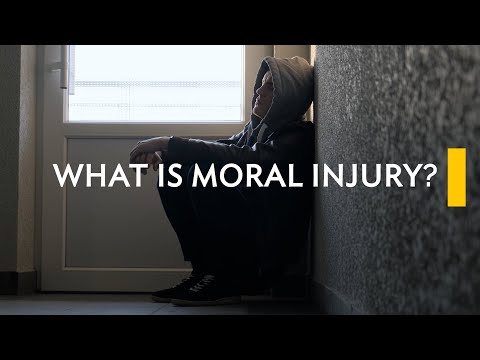
You know, the world of healthcare is pretty intense. It’s not just about treating physical ailments; there’s a whole emotional side that people often overlook.
This blog provides content for informational, educational, and reflective purposes only. The information published here does not constitute medical, psychological, or psychiatric advice, and it does not replace the evaluation, diagnosis, treatment, or individualized guidance of a properly licensed professional. If you believe you may be experiencing a psychological or health-related issue, consult a qualified professional as soon as possible before making important decisions about your well-being. Do not self-medicate or start, stop, or change medications, therapies, or treatments on your own. While we aim to provide useful and accurate information, we do not guarantee that it is complete, current, or suitable for every situation. Your use of this content is at your own risk, and reading it does not create a professional, clinical, or therapeutic relationship with the author or this website.
Imagine being in a job where you constantly face tough decisions, and no matter what you choose, it weighs heavily on your heart. That’s what many healthcare workers go through.
It’s called moral injury. And honestly, it can hit harder than you might think.
I remember chatting with a nurse who’d been on the front lines during a crisis. She felt torn between doing what’s right for her patients and following protocols that didn’t sit well with her conscience. It was heart-wrenching to hear her talk about it.
So, let’s dig into this topic together, yeah? There’s so much more to uncover about how moral injury affects those who care for us the most.
Understanding Moral Injury in Nursing: Key Examples and Insights
Moral injury is like this heavy burden that many healthcare workers, especially nurses, carry. It comes from situations where their values clash with what they’re forced to do or witness at work. Imagine being a nurse who has to watch a patient suffer because there aren’t enough resources or support. That feeling of helplessness? Yeah, that’s moral injury creeping in.
Basically, it’s not just about making mistakes or bad choices—it’s deeper. It’s about feeling like you’ve done something against your beliefs or your ethical standards. You know, those moments when you feel like you’ve failed a patient due to circumstances beyond your control? That can lead to some serious psychological impact.
Let’s break it down a little further:
- Witnessing Suffering: Nurses often see patients in pain without the ability to alleviate that suffering because of systemic issues.
- Resource Limitations: When healthcare facilities are understaffed or lack equipment, nurses might have to make tough calls about who gets care and who doesn’t.
- Palliative Care Conversations: Discussing end-of-life choices can be brutal if nurses disagree with the decisions made by families or the healthcare system.
- Aggressive Treatment Pressure: Sometimes, nurses are pressured to push for aggressive treatments that they feel might not benefit the patient.
You see, this isn’t just an isolated issue; it’s pretty common in high-stress environments like hospitals. A nurse I once talked with shared how hard it was when she had to withdraw life support from a young patient after a long battle. She felt the weight of that decision bearing down on her for years.
The emotional fallout can vary too. Anxiety and depression often tag along with moral injury. Nurses may feel guilt for things they couldn’t change, which makes their job even tougher. This kind of psychological stress is real and needs attention.
And let’s not forget: moral injury isn’t only about mental health struggles; it impacts job performance as well. Burnout is frequent among nurses facing these heavy feelings. It’s hard to give your all when you’re wrestling with these inner conflicts.
Healthcare institutions are beginning to recognize this issue more and more but there’s still so much work left to do in addressing moral injury properly among nursing staff—like creating supportive environments where talking about these experiences is welcomed and encouraged.
So yeah, understanding moral injury isn’t just important—it’s vital for the wellbeing of those who care for us when we need it most!
Understanding Moral Injury: Effective Treatment Approaches for Healing
Moral injury is a term that’s been getting more attention, especially in healthcare settings. It refers to the psychological distress that arises when someone feels they’ve violated their own moral beliefs or ethical standards. Imagine being a doctor who has to make gut-wrenching decisions during a crisis—decisions that clash with what they believe is right. That’s a heavy burden, and many healthcare workers carry it silently.
So, what does moral injury look like? Picture this: You’re a nurse during an overwhelming pandemic surge. You want to save every patient, but you have to prioritize care due to limited resources. Each time you walk away from a patient who needs help, it chips away at your sense of self and duty. The guilt and shame can be just as damaging as physical injuries.
Treatment approaches for healing moral injury vary but often include some common threads:
- Talk Therapy: Traditional counseling can help you unpack those feelings of guilt or shame. Therapists trained in trauma or grief can provide space for you to express your emotions without judgment.
- Cognitive Behavioral Therapy (CBT): This method focuses on changing negative thought patterns. It can help reframe the way you view those moral conflicts, turning distress into understanding.
- Peer Support Groups: Sometimes, just knowing you’re not alone makes all the difference. Sharing experiences with others who’ve been through similar situations can lighten that heavy load.
- Mindfulness and Meditation: These practices encourage staying present and accepting one’s feelings without rushing to fix them. They can reduce anxiety and promote self-compassion.
- Spiritual Counseling: If spirituality plays a role in your life, exploring those beliefs may provide comfort and guidance as you navigate feelings of betrayal against your values.
Each person’s journey with moral injury is different, so finding the right combination of these approaches is crucial.
Recovery isn’t just about alleviating pain; it’s about reclaiming your sense of purpose too. One story I heard was from a paramedic who struggled with moral injury after having to leave an elderly patient behind during an emergency evacuation. Through therapy, he learned how common these feelings were among his peers and began volunteering with support services for other first responders. By helping others heal, he found healing for himself too.
But healing takes time—there’s no magic pill or quick fix here. It’s messy work; some days will feel tougher than others. The thing is, reaching out for support is already a powerful step toward recovery.
In summary, moral injury isn’t just about feeling bad over choices made; it’s about grappling with conflicts between actions taken and personal values held dear. Effective treatment often involves various therapeutic methods tailored to individual needs—a journey best taken together rather than alone. So if this resonates with you or someone close to you, know there are ways forward that honor those struggles while fostering recovery.
Understanding Moral Injury in Healthcare Professionals: A Comprehensive Scoping Review and Discussion
Moral injury is a big topic right now, especially for healthcare professionals. You see, it’s not just about making tough decisions. It’s about feeling like you’ve compromised your own values or ethics on the job. That can really mess with your head.
What exactly is moral injury? Well, at its core, it happens when someone feels they’ve done something wrong or have failed to prevent something bad from happening, often due to circumstances beyond their control. For doctors and nurses, this might mean having to make rapid decisions during a crisis that go against their better judgment. You follow me?
Imagine being in the emergency room and someone comes in with a life-threatening condition. Maybe you know the right thing to do is try every possible treatment. But then, due to a lack of resources—like beds or staff—you can’t give them everything you want to. You end up making choices that feel wrong, and that can haunt you later.
Key signs of moral injury can include:
- Feelings of guilt or shame for decisions made.
- A sense of betrayal by organizations or colleagues.
- An overwhelming feeling of helplessness.
- Emotional numbing or detachment from work.
Now, this isn’t just some abstract concept; it hits home for many in healthcare today. Think about the COVID-19 pandemic—it put unreal pressure on healthcare workers everywhere. Many faced impossible situations daily—like choosing which patients would receive treatment first because there simply weren’t enough ventilators. The strain created lasting emotional scars.
And here’s where things get tricky: moral injuries don’t always show up immediately. Sometimes they build over time until one day it all comes crashing down—a nurse might suddenly find themselves filled with anxiety and can’t bear to work another shift because they feel they failed their patients.
The thing is, understanding moral injury is important for addressing mental health issues among healthcare workers. Organizations need to create environments where these feelings can be talked about openly without judgment. Seriously! Just being able to vocalize these experiences can be immensely relieving.
A few strategies for coping with moral injury include:
- Seeking support from peers who understand.
- Participating in debriefing sessions after intense situations.
- Engaging in self-care practices like mindfulness or therapy.
Look, dealing with moral injury isn’t quick or simple; it takes time and effort. Each person’s journey through this kind of pain will look different but having open conversations can make it way easier for people struggling with these feelings.
In the end, bringing awareness to moral injury helps not just individuals but also entire healthcare teams become stronger together through shared experiences! So let’s keep that conversation going—it really matters!
You know, when we talk about mental health and the pressures of working in healthcare, there’s this heavy term that comes up sometimes: moral injury. It’s not just a buzzword; it’s something that really digs deep into the psyche of those who care for others.
Imagine being a nurse during a pandemic, like my friend Michele. She was on the frontlines, seeing people struggle in ways that made her feel so helpless. The thing is, it wasn’t just the physical challenges; it was also the emotional weight of decisions she had to make. Sometimes, she had to choose who got care and who didn’t because resources were so stretched. Just thinking about that makes my stomach turn. Moral injury strikes when you feel like you’ve betrayed your own sense of ethics or values in your job.
So, basically, healthcare workers often face situations where they can’t live up to their ideals. This leads to guilt, shame, and sometimes even anger—both at themselves and at the system they’re part of. And here’s where it gets even more layered: these feelings can sit with you for years. Like shadows lurking in the back of your mind.
Let’s say you’re on a surgical team and something goes terribly wrong during an operation—something that could have been prevented if conditions were better or if you had more support. You start to question everything: «Did I do enough? Could I have changed this?» It’s exhausting!
Some people might cope by distancing themselves emotionally from their work or turning to unhealthy coping mechanisms—you know? They might throw themselves into other things just to escape from those haunting thoughts.
But here’s another thing—this isn’t just a personal issue for healthcare workers. It ripples out into families and communities too. When Michele came home after shifts filled with heartbreak and hard choices, she often felt disconnected from her loved ones because they couldn’t quite grasp what she went through day-to-day.
The healing from moral injury is no walk in the park either. Talking about these experiences openly—like in group therapy or even peer-support programs—can help lift some of that crushing weight off shoulders. Still, it’s an ongoing battle between wanting to provide care while wrestling with all those conflicting feelings.
So yeah, moral injury is a real deal in healthcare settings and its psychological impact can be immense—but it also opens up conversations about what support systems are out there for those brave souls putting themselves on the line for others every day.