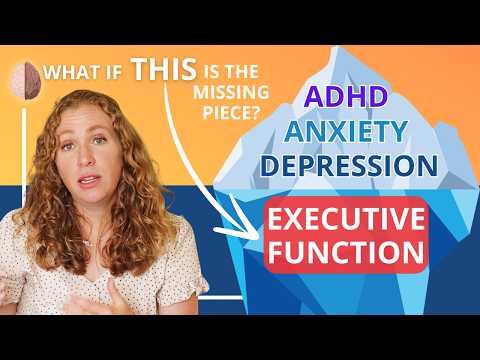
So, let’s chat about this thing called executive decision dysfunction. Sounds fancy, huh? But really, it’s just a quirky way of saying some people struggle to make decisions. Like, big or small.
This blog provides content for informational, educational, and reflective purposes only. The information published here does not constitute medical, psychological, or psychiatric advice, and it does not replace the evaluation, diagnosis, treatment, or individualized guidance of a properly licensed professional. If you believe you may be experiencing a psychological or health-related issue, consult a qualified professional as soon as possible before making important decisions about your well-being. Do not self-medicate or start, stop, or change medications, therapies, or treatments on your own. While we aim to provide useful and accurate information, we do not guarantee that it is complete, current, or suitable for every situation. Your use of this content is at your own risk, and reading it does not create a professional, clinical, or therapeutic relationship with the author or this website.
You know those times when you can’t pick a restaurant or decide if you should binge-watch another series? That’s a little taste of it. But for some folks, it’s way more intense. It can mess with work, relationships—you name it.
Imagine standing in front of a fridge full of food but feeling totally blank about what to eat. Frustrating, right? Now, think about feeling that way all the time!
That’s what we’re diving into here: understanding why decisions can feel like climbing a mountain for some and how to navigate that jungle of uncertainty. Sound good? Let’s unpack this together!
Understanding Executive Dysfunction: A Comprehensive Guide to Testing and Assessment
Executive dysfunction can be a real challenge for many people, and understanding it is key to navigating everyday life. So, what exactly is executive dysfunction? Basically, it refers to difficulties with the mental skills that help you manage tasks, control your impulses, and organize your thoughts—think of it as having a broken remote control for your brain. You might struggle with things like planning, decision-making, or even following through on tasks.
When it comes to testing and assessment for executive dysfunction, there’s not a one-size-fits-all approach. You really need to look at a mix of factors including behavior history, specific tests designed to measure executive functioning skills, and input from people who know you well. Here’s how that goes:
- Clinical Interviews: This involves sitting down with a healthcare provider who will ask questions about your daily life and challenges. They’ll want to know how you cope with tasks at home or work.
- Behavior Rating Scales: These are questionnaires that both you and someone close to you—like a family member or friend—fill out. It helps paint a picture of how your executive function issues show up in real life.
- Cognitive Testing: Specialists often use standardized tests, like the Wisconsin Card Sorting Test or the Stroop Test. These assess different aspects of executive function like flexibility and inhibition.
- Observation: Sometimes professionals will observe you in different settings—at home or in school—to see how you handle everyday situations.
It’s important to remember that these assessments should aim for clarity rather than judgment. The goal here isn’t just labeling but understanding where the challenges are coming from.
Let’s say during an assessment, you’re asked about planning your week. Maybe you get overwhelmed and just don’t know where to start—it’s not laziness; it’s part of the struggle with executive functioning. Or think about that time when organizing paperwork felt so daunting that instead of taking action, you pushed it aside until it became an even bigger mess.
If executive dysfunction is confirmed through testing and assessment, this can open doors for support strategies tailored just for you. From therapy approaches like cognitive-behavioral therapy (CBT)—which helps reframe negative thinking patterns—to practical tools like planners or apps designed to aid organization skills.
Understanding these nuances helps clarify what you’re facing every day—and most importantly, it gives you the tools needed to tackle those challenges head-on. It can feel pretty overwhelming at times but just remember: you’re not alone in this journey!
Understanding Executive Dysfunction at Work: Strategies for Enhanced Productivity and Well-being
Understanding executive dysfunction can feel a bit like being stuck in a fog. You know what you want to do, but somehow, the “how” gets lost along the way. This kind of struggle isn’t just frustrating; it can really impact your productivity and well-being at work.
Executive dysfunction affects how you plan, organize, and manage tasks. You might find it hard to prioritize or start tasks, making your day feel overwhelming. Like, imagine sitting at your desk with a long list of things to do but not knowing where to start. That’s the essence of executive dysfunction.
Recognizing the Signs
It’s helpful to spot some common signs that you might be experiencing executive dysfunction:
- Difficulty focusing on tasks
- Procrastination or avoidance of projects
- Struggling to manage time effectively
- Feeling overwhelmed by small tasks
- Difficulty transitioning from one task to another
Even if you might not call it that, these issues are real. It can feel like your brain is moving in slow motion when everything around you seems fast-paced.
Strategies for Improvement
Here are some strategies that could make a noticeable difference:
- Break It Down: If a project feels insurmountable, chop it into smaller pieces. Each tiny step completed feels like a win!
- Create Timelines: Use deadlines that are clear and manageable. For example, giving yourself two hours to finish one small task can help.
- Use Tools: Try apps or planners that can keep you on track. Visual reminders often help jog your memory about what needs doing.
- Create Routines: Developing a solid routine helps relieve the mental load of decision-making every day.
- Avoid Multitasking: Focus on one task at a time. Trust me; it’s easier than juggling five different things and getting none done.
Coping Mechanisms for Well-being
You also want to think about how you take care of yourself:
- Practice Mindfulness: Engaging in mindfulness exercises helps improve focus and reduces anxiety.
- Inevitably Ask for Help: Don’t hesitate to reach out—whether that’s asking colleagues for support or considering therapy.
- Sustain Breaks: Regular breaks allow your brain to reset; they’re not just for slacking off!
Everybody has days where things just don’t click—it’s super normal! I remember one time I was buried under deadlines and couldn’t seem to move forward. I took a deep breath, forced myself away from my desk for some fresh air, and suddenly felt more clear-headed and ready when I returned.
In sum, dealing with executive dysfunction at work is tough but manageable with the right strategies in place. You’ve got this! Just keep trying different approaches until something clicks for you.
Understanding Executive Dysfunction: Real-Life Examples and Effective Strategies
Executive dysfunction can be a real struggle, right? It’s like having a brain that gets stuck when you’re trying to plan, prioritize, or even just get started on something. People with executive dysfunction often find it hard to manage their time, stay organized, or keep track of tasks. And let’s be honest, it can really affect everyday life.
Imagine waking up and having a million things to do. You know you need to tackle your laundry, finish a project for work or school, and remember to call your mom. But somehow, you find yourself scrolling through your phone or staring at the wall instead of getting any of it done. Frustrating, huh?
Real-Life Examples
Sometimes it helps to see how this plays out in real life:
- Task Initiation: Picture someone who knows they have an assignment due soon but just can’t seem to get started on it. They sit down at their desk but suddenly feel overwhelmed just by looking at the blank page.
- Poor Time Management: Maybe you’ve got a friend who constantly runs late because they underestimate how long things will take—whether it’s getting ready in the morning or commuting.
- Difficulty Prioritizing: Have you had those days where you’re faced with too many tasks and just… freeze? Like deciding between doing laundry or working on an important report—neither feels more urgent than the other, so nothing gets started.
These examples show that executive dysfunction isn’t about laziness; it’s more like your brain’s way of saying «I’m overwhelmed!»
Effective Strategies
Now that we’ve got a clearer picture of what this looks like in everyday life let’s talk about some strategies that folks find helpful:
- Break Tasks Down: Instead of focusing on the big picture—which can sometimes feel paralyzing—try breaking tasks into smaller steps. Write down each step so you can cross them off as you go! Feels good, right?
- Create Routines: Having a daily routine can really help set expectations for yourself. It takes away some decision-making fatigue since you’re following a set pattern.
- Prioritize with Lists: Writing things down can be game-changing. Use lists or color-coding systems to rank what needs attention first. Seeing everything laid out makes it less daunting.
- Set Timers: Consider using timers as mini-deadlines! You might be amazed how much you can get done in 25 minutes when you’re focused!
All these strategies turn a daunting task into manageable bites.
It’s also essential to create a supportive environment around yourself. Share your struggles with friends or family if you’re comfortable—they might offer solutions based on what works for them too.
In short, understanding executive dysfunction is all about recognizing its impact and finding ways that work for YOU to navigate through those challenges. It’s not an easy journey but knowing you’re not alone and having some tools at hand can make things smoother!
So, let’s talk about something that can really mess with how we handle our lives—executive decision dysfunction. You know, it’s like when your brain decides to hit the snooze button on all those important choices you need to make. One moment, you’re in control, and the next, it feels like someone else is steering the ship while you’re just hanging on for dear life.
I remember a friend of mine named Sarah. She was always super organized and on top of everything. But then she hit a rough patch—stress at work and family issues piled up. Suddenly, she couldn’t decide what to have for lunch without feeling overwhelmed. It was exhausting for her, and honestly, hard for me to watch as someone who cared about her.
Executive decision dysfunction can pop up in various mental health conditions like ADHD, anxiety disorders, or depression. Basically, it’s when your brain has trouble with planning, focusing on tasks, and making choices—like a computer freezing when you’ve got too many tabs open. The thing is, it doesn’t mean you’re lazy or not capable; it just means your brain is struggling with the load it’s carrying.
And what makes this even trickier is that the people around us might not get why we can’t simply “just decide.” It can lead to feelings of shame or frustration because deep down, we often want to make those choices but feel stuck in quicksand.
So how do you navigate this? Well, first off: be kind to yourself! It’s okay to have those moments where you freeze up. Break things down into small steps—even choosing between two options can feel huge at times. That way, it doesn’t seem so daunting.
Anyway, finding support can really help too. Whether it’s talking things out with friends or seeing a therapist who understands this type of struggle—it makes a difference. They can help untangle those thoughts swirling around in your head.
In the end, navigating executive decision dysfunction is all about learning how to give yourself grace while figuring out what works best for you. You’ve got this! And remember Sarah? She took baby steps back into her groove—one small decision at a time—and eventually found her way back to being the organized person she was before challenges came knocking. Life may throw curveballs at us but we’re still swinging!