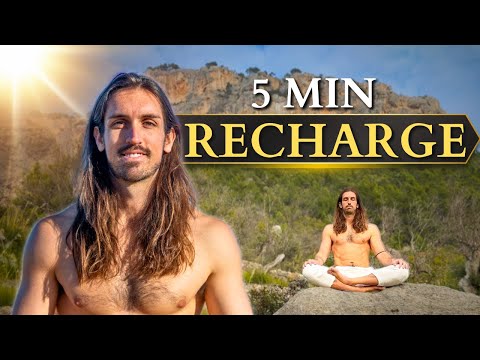
Hey there! You know those days when everything feels a little too much? You’re not alone. Seriously, we all have those moments where stress just piles up like laundry on a Sunday.
This blog provides content for informational, educational, and reflective purposes only. The information published here does not constitute medical, psychological, or psychiatric advice, and it does not replace the evaluation, diagnosis, treatment, or individualized guidance of a properly licensed professional. If you believe you may be experiencing a psychological or health-related issue, consult a qualified professional as soon as possible before making important decisions about your well-being. Do not self-medicate or start, stop, or change medications, therapies, or treatments on your own. While we aim to provide useful and accurate information, we do not guarantee that it is complete, current, or suitable for every situation. Your use of this content is at your own risk, and reading it does not create a professional, clinical, or therapeutic relationship with the author or this website.
Well, here’s the thing: your breath can actually help with that. Sounds simple, right? But what if I told you that a few quick breathing exercises could shift your mood, clear your mind, and even help you tackle whatever’s stressing you out?
Yeah, it sounds kinda wild, but it’s true! Just taking a moment to breathe can do wonders for your mind and heart. So let’s chat about how some super easy breathing tricks can be your new best friend in the quest for better mental health.
Master the 3 3 3 Breathing Technique: A Simple Guide to Better Mental Health
So, let’s talk about the 3 3 3 breathing technique. It’s a super simple way to help you chill out and clear your mind when things get a bit overwhelming. You know those days when everything feels overwhelming? Your brain’s racing. You might feel anxious or just plain stressed. This is where the 3 3 3 technique can really come in handy!
The idea behind this technique is to help you ground yourself and focus on the present moment. It’s kinda like a quick reset button for your brain. Here’s how it works:
- Breathe in for three seconds: Inhale deeply through your nose. Fill up your lungs as much as you can. Feel that air refreshing your body.
- Hold it for three seconds: Keep that breath in. Just hold it there for a moment—don’t rush, okay? This helps you feel stable and centered.
- Breathe out for three seconds: Now, exhale slowly through your mouth. Imagine all that stress just floating away with your breath.
You can repeat this cycle several times until you start feeling a little lighter or more relaxed. Seriously, it only takes a minute or two!
I remember this one time I was sitting in traffic, late for an appointment, and my anxiety was creeping up like an unwelcome guest at a party. I felt trapped, frustrated—you know the feeling? Instead of letting my mind spiral into panic mode, I remembered this breathing technique. Just focusing on my breath helped me calm down pretty quickly.
This method is awesome because you can do it anywhere—at work, while waiting in line, or even when you’re just hanging out at home feeling overwhelmed by life (which happens to all of us!). It doesn’t need any fancy equipment or apps; it’s all about tuning into yourself.
A few pointers for best results:
- Find a comfy spot to sit or stand upright without slouching; it helps with airflow!
- If you feel comfortable closing your eyes during the process, go ahead! It can help block out distractions.
- You might want to practice during calmer moments so you’re familiar with it when things get chaotic.
The bottom line is that breathing techniques like this are tools we can use anytime we need them. You’re not just mastering breathing; you’re also giving yourself some mental space to navigate life’s craziness better!
Unlocking Calm: A Comprehensive Guide to 9D Breathing Techniques for Enhanced Mental Well-Being
Breathing techniques are like little hacks for your mental health. They can help you feel more centered, calm, and even happier. One interesting concept you might’ve heard of is **9D breathing**. So, what’s that all about? Let’s break it down together.
First off, **breathing** itself is essential. It sounds simple, right? But how you breathe can totally affect your mood and anxiety levels. Imagine you’re running late for a meeting and your heart’s racing—your breath is probably shallow and quick. This kind of breathing sends signals to your brain that something’s off, which can make you feel even more anxious.
Now, **9D breathing** takes regular breathing techniques a step further. It’s about engaging different aspects of your breath—depth, rhythm, pattern—along with focusing on your surroundings. Here’s how it works:
- Diaphragmatic Breathing: This is the most basic one. Instead of just filling up the chest, you use your diaphragm to draw air deep into your lungs. Lie down or sit comfortably; place one hand on your belly and the other on your chest. As you breathe in through your nose deeply, feel that belly rise while the chest stays still.
- Pursed-Lip Breathing: If you want to slow down that quick breath during moments of stress, this one’s great! Inhale through the nose for two counts then purse those lips as if you’re blowing out a birthday candle and exhale slowly for four counts.
- Box Breathing: Ever heard of this military technique? It’s super effective! You breathe in for four counts, hold that breath for another four counts, then exhale slowly for four counts before holding again for another four counts.
- Nostril Breathing: Close one nostril with a finger while inhaling through the other nostril. Then switch! This technique helps balance the body’s energy systems.
- Counting Breaths: When life gets hectic, try counting each inhale and exhale up to five before starting over again from one. This method creates focus and calms racing thoughts.
- Visualization: Picture something peaceful—a beach or a calm forest—as you breathe deeply in and out. Visuals can really enhance relaxation!
- Sighing Breath: Inhale sharply followed by an exaggerated sigh as you release it all out like you’re letting go of tension—this feels really good!
- Heartbeat Breath: Syncing your breaths with your heartbeat can ground you—especially when you’re anxious or overwhelmed.
- Candle Breath: Picture blowing out a candle as you exhale slowly through pursed lips—this also helps control breath length.
So, why does all this matter? Well, studies show that controlled breathing can lower cortisol levels—the stress hormone—and help enhance overall mental well-being.
Think of it like this: whenever I felt overwhelmed during finals back in college (like panic mode every single day), taking just five minutes to do some deep diaphragmatic breaths made such a difference. I could actually feel my heart slow down and my mind become clearer.
Incorporating these techniques into daily life doesn’t need to be complicated either! Maybe take a couple minutes in the morning while sipping coffee or unwind with some breathing exercises before bed—the options are endless.
Finally, remember that **you’re not alone** if exploring these techniques feels strange at first! Just give yourself time to adjust; practice makes perfect after all. So next time life’s chaos creeps in or anxiety tries sneaking up on ya, don’t forget about those calming breaths—you’ve got this!
Transform Your Mental Health: Quick Breathing Exercises to Try on YouTube
We often underestimate the power of our breath. Seriously, when you’re feeling stressed or overwhelmed, just taking a moment to focus on your breathing can work wonders. You know how sometimes you feel like you’re running on empty? Well, quick breathing exercises can help recharge your mental batteries in no time.
Breathing exercises aren’t just for yogis or meditation gurus. They’re for anyone who wants to feel a little more grounded and calm. So let’s break down some quick techniques you could try out.
1. Deep Belly Breathing
This one’s super simple and effective. You basically inhale deeply through your nose, allowing your belly to expand like a balloon. Hold for a few seconds, then exhale slowly through your mouth. You get this awesome release of tension with each breath out! If you’re tuning into a YouTube video, look for ones that guide you through this technique step-by-step.
2. 4-7-8 Breathing
Okay, so here’s the deal with this technique: Inhale for a count of 4, hold that breath for 7 seconds, and then exhale slowly for a count of 8. It’s like giving yourself permission to chill out! This method is great when you’re anxious or having trouble sleeping because it can really calm that racing mind.
3. Box Breathing
Here’s a fun visual: imagine drawing a box in the air as you breathe! Inhale for 4 counts as you visualize going up one side of the box, hold for another 4 counts at the top, exhale down the other side for 4 counts, and then hold again at the bottom before starting over. This structured approach can help center your thoughts and bring clarity.
You might think it sounds weird talking about breathing exercises while scrolling through TikTok or checking out different channels on YouTube—but there are some fantastic resources out there! Just search “quick breathing exercises” or “stress relief breathing” and you’ll find tons of videos showing you exactly how it’s done.
And who knows? Maybe you’ll stumble upon someone sharing their personal experience with how these techniques changed their life. Like my friend Sarah—she used to deal with anxiety all the time until she found these breathing exercises online during one sleepless night. Now she swears by them!
In short, practicing breathing techniques regularly can transform your mental health little by little. Remember that it’s not about perfection but rather about finding what works best for you! Even just a few minutes each day can make such a difference—and all it takes is focusing on something so basic yet powerful: your breath!
So, let’s talk about breathing, you know? It’s one of those things we totally take for granted. We do it all day without even thinking. But when you dive a bit deeper, it’s pretty wild to realize how much our breath can affect our mood and mental clarity.
I remember a time when I was feeling really overwhelmed. Life just threw a bunch of stuff my way—work pressure, some family drama, and that nagging voice in my head saying I wasn’t doing enough. It felt like I could hardly breathe, like I was drowning in all that chaos. Then someone suggested I try some simple breathing exercises. At first, I thought it was kind of silly—how could just breathing help anything? But boy, was I wrong.
Just taking five minutes to focus on my breath really shifted things for me. Inhale deeply through the nose; let your belly expand like a balloon. Hold it for a sec—just long enough to feel that little rush—and then slowly exhale through your mouth, letting everything go. It felt strangely calming! This fast exercise made me realize how connected our minds and bodies are.
You see, deep breathing signals your body to relax—it literally tells your nervous system that you’re safe! This is super important when life feels chaotic because stress does a number on mental health, right?
Try taking a second whenever you feel anxiety creeping in or if things get too heavy. Like when you’re about to hop onstage for that presentation or before diving into an awkward conversation—just pause and breathe for a moment. It might sound overly simple but think of it as hitting the reset button on your brain.
And hey, don’t be surprised if you start noticing small changes over time! More focus during work or maybe those dark thoughts aren’t as loud anymore? You might even find yourself being nicer to others (and yourself!). It’s funny how something so basic can become your best ally in managing life’s curveballs.
So next time you’re feeling the weight of the world on your shoulders or just need a quick pick-me-up during the day, remember: just breathe! Seriously; sometimes all it takes is one good inhale to get back on track.