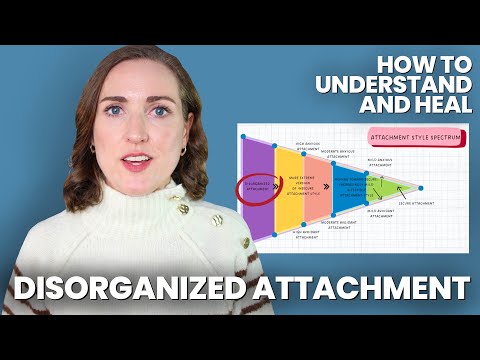
Hey! So, let’s chat about something that can be a little tricky—fearful avoidant dynamics in marriage. Yeah, it sounds all fancy, but it’s really just about those times when you love your partner but feel scared to get too close, you know?
This blog provides content for informational, educational, and reflective purposes only. The information published here does not constitute medical, psychological, or psychiatric advice, and it does not replace the evaluation, diagnosis, treatment, or individualized guidance of a properly licensed professional. If you believe you may be experiencing a psychological or health-related issue, consult a qualified professional as soon as possible before making important decisions about your well-being. Do not self-medicate or start, stop, or change medications, therapies, or treatments on your own. While we aim to provide useful and accurate information, we do not guarantee that it is complete, current, or suitable for every situation. Your use of this content is at your own risk, and reading it does not create a professional, clinical, or therapeutic relationship with the author or this website.
Imagine this: you’re on the couch together, but instead of cuddling up, you’re both kind of withdrawn. You want to connect, but something’s holding you back. It’s like there’s this invisible wall between you two.
What does that even mean? Well, it’s not uncommon. Many folks experience these push-and-pull feelings in their relationships. And it can leave you feeling confused and frustrated.
But don’t worry! Let’s break it down together and figure out how to navigate these waters without capsizing your love boat. Sound good? Cool!
Understanding Fearful Avoidants in Marriage: Behavior Patterns and Relationship Dynamics
Fearful avoidants can really bring a unique set of challenges to a marriage. So, you might be wondering what this actually means. Well, someone with a fearful avoidant attachment style often has a mix of both anxiety and avoidance when it comes to intimacy. They crave connection but also fear it. It’s like wanting to hug your favorite teddy bear but being scared it might squeeze you too tight.
Now, let’s break this down a bit more. Here are some key behavior patterns you might see in fearful avoidant individuals:
- Push-Pull Dynamics: They might oscillate between wanting closeness and then suddenly pulling away. Imagine being excited for a fun night out but then feeling overwhelmed and wanting to binge-watch Netflix instead.
- Avoidance of Conflict: If things get heated, they could ghost the conversation instead of addressing issues. It’s like tiptoeing around an angry cat—avoiding it seems easier than confronting the emotional claws.
- Difficulty Trusting: Building trust can be like climbing a slippery mountain. They want to feel safe but have doubts that make every step forward feel risky.
- Emotional Numbness: Sometimes, they may shut down emotionally to protect themselves from feeling too much. Picture trying to enjoy ice cream, but someone keeps tossing in hot sauce—it just ruins the moment.
The dynamics within the relationship can get complicated because their partner might not really understand what’s going on beneath the surface. This creates tension and confusion in everyday interactions.
A partner of a fearful avoidant may feel frustrated or even rejected due to their back-and-forth behavior. You know that feeling when you’re just trying to plan something fun only for your spouse to suddenly ghost you? Yeah, that can lead to some serious hurt feelings!
This dynamic often leads to cycles where one person feels anxious about losing connection while the other pulls away out of fear—creating an emotional rollercoaster that leaves both partners dizzy.
If you’re navigating this kind of relationship dynamic, open communication is crucial! Being clear about feelings without judgment can help break those patterns. For instance, if you’re feeling ignored or worried about being abandoned, try explaining it gently instead of coming off accusatory.
This journey isn’t all doom and gloom though! With effort from both sides, even fearful avoidants can learn healthier ways to express their needs or handle conflicts better over time.
If you’re wondering how therapy fits into all this, well—therapy can be super helpful for understanding attachment styles and developing strategies for better communication and emotional responses! Sometimes just having someone guide the conversation makes all the difference!
The thing is: working through these behaviors takes patience—lots of it! You’re not just changing habits; you’re reshaping fundamental beliefs about love and trust that took years (if not decades) to form.
You see? There’s light at the end of the tunnel for fearful avoidants in marriages with commitment from both partners. Just hang in there and keep talking!
Understanding Avoidant Personality: Does It Deteriorate with Age?
Avoidant personality is a tricky character trait, right? If you know someone who’s a bit socially anxious or tends to shy away from social situations, there’s a chance they might be dealing with this. Avoidant Personality Disorder (APD) can feel like living in a bubble where every interaction feels like an uphill battle. Now, the big question: does it get better or worse with age? Let’s unpack that.
First off, let’s talk about what avoidant personality looks like. People with APD often struggle with:
- Intense fear of rejection: Even the thought of criticism can send them into a spiral.
- Low self-esteem: They might feel unworthy or believe that others are better than them.
- Avoidance of social situations: This can lead to isolation, which, ironically, makes things worse over time.
You see, when someone is avoidant, they might miss out on opportunities that could boost their self-confidence or help them make friends. Think about it: if you don’t put yourself out there because you’re scared, how will you ever know if things could’ve been different? It’s kind of like standing at the edge of a diving board but never jumping in. So painful!
Now, does this last forever? Well, here’s the deal: some studies suggest that as people age and gain more life experience, avoidant traits can diminish. It seems that maturity brings along some level of resilience and coping strategies. Like maybe they develop stronger relationships or realize that rejection isn’t the end of the world.
For example, I had a friend who was super avoidant in her twenties. She’d panic during group chats and always bailed on events. But as she hit her thirties—after some therapy and finding supportive people—she started opening up more. Slowly but surely she learned how to navigate those scary waters.
But not everyone has the same journey! Some folks may find their avoidant traits intensifying over time due to life stressors like job changes or family issues. And guess what? If someone doesn’t seek help or push themselves outside their comfort zone at all—that bubble just stays intact!
This brings us to marriage dynamics where one partner has this avoidant tendency. Relationships require vulnerability; it’s kind of their backbone! A fearful partner might constantly worry about upsetting their spouse or being judged—which leads to patterns where they withdraw even more instead of communicating openly.
You know what I mean? The cycle continues unless effort is made to challenge these fears together as a couple. When both partners work towards understanding each other and creating safe spaces for communication, there’s hope for positive change.
The bottom line is—yes! Avoidant personality traits can evolve as we age—but growth isn’t automatic; it requires action. With support and effort from oneself and those around them (like spouses), avoidance can shrink over time rather than grow!
Understanding Fearful Avoidant Behavior: 7 Signs They Might Be Testing You
Understanding fearful avoidant behavior can be pretty tricky, especially in the context of marriage. This style often springs from a past filled with emotional ups and downs, making it tough for someone to truly connect. So, let’s break this down and look at some signs they might be testing you without even realizing it.
1. Mixed Signals
You might notice your partner saying they want closeness but then pulling away when you get too close. It’s like they’re tugging on emotional strings without knowing which one to hold tight or let go.
2. Pushing Away During Conflict
When things heat up, they might shut down or retreat, avoiding any tough conversations. It can feel frustrating; one minute they’re engaged, and the next, it’s like you hit a wall.
3. Fear of Intimacy
You, being honest about your feelings can sometimes scare them off. They could react by shutting down their own emotions or trying to steer the conversation away from anything too vulnerable.
4. Testing Boundaries
It’s common for someone with this behavior to test the waters constantly—like checking how far they can go without feeling overwhelmed. They might throw out comments or engage in behaviors that push against what feels comfortable.
5. Mood Swings
There could be sudden changes in their mood that seem out of nowhere. One moment they’re affectionate; the next, they’re distant or irritated—it’s as if they’re riding an emotional rollercoaster.
6. Seeking Reassurance
They may seek constant reassurance about your feelings or the relationship itself but still end up doubting what you say; it’s like a loop that just keeps going around and around.
7. A Reluctance To Open Up
Having deeper conversations could feel challenging for them, leading to vague responses when asked about their feelings or thoughts on important matters.
So yeah, navigating this kind of dynamic takes patience and understanding from both sides! It helps to create a safe space for your partner where they feel comfortable opening up without fear of judgment or abandonment. Just remember that while these behaviors can be frustrating, they often stem from deep-rooted fears rather than a lack of love or desire for connection.
Marriage can sometimes feel like a rollercoaster, right? One minute, you’re soaring high in love, and the next, you’re grappling with fears that can make communication and connection tricky. If you happen to be dealing with something called “fearful avoidant dynamics,” it’s like you’re on a ride that feels thrilling but also kinda scary, and not in the fun way.
So, let’s say you and your partner both struggle with this. You might love each other deeply, but when it comes to emotional intimacy or discussing conflict, things can get shaky. It’s like having one foot on the gas and the other on the brake. On one hand, there’s this strong desire to connect—like wanting to share dreams or just hang out together. On the other hand, fear creeps in. What if they don’t validate my feelings? What if they judge me? This push-pull creates tension that can really mess with your marital harmony.
I remember chatting with a friend who was feeling super overwhelmed in her marriage. She loved her husband but couldn’t shake this fear of getting too close. She told me about a time when she wanted to bring up something that had been bothering her for weeks. But instead of speaking up, she froze. The thought of how he might react paralyzed her—even though she knew deep down that being open would likely strengthen their bond.
The thing is, fearful avoidant behaviors often stem from past experiences—maybe childhood stuff or prior relationships where vulnerability led to pain. So when you find yourself retreating during tough discussions or shutting down emotionally, it’s not just about your current relationship; it’s a kind of coping mechanism you’ve developed over time.
Navigating these dynamics takes patience and understanding from both partners. Non-judgmental dialogue is key here; creating a space where both of you feel safe expressing thoughts could work wonders. It’s about recognizing those fears without letting them dictate how you interact.
And honestly? It helps to acknowledge what you’re feeling rather than brushing it off like it’s nothing. You don’t need to pretend everything’s fine if it’s not! Being transparent about these fears—even when it feels uncomfortable—can actually foster greater intimacy over time.
In the end, navigating fearful avoidant dynamics is like learning a new dance together; you’ll stumble at first, but with practice and compassion for each other’s quirks and weaknesses, you might just find your rhythm.