You know, we all have those days when our emotions just take over, right? Some days you feel like a rollercoaster and others, like a flat ride at the fair. It’s all part of being human.
This blog provides content for informational, educational, and reflective purposes only. The information published here does not constitute medical, psychological, or psychiatric advice, and it does not replace the evaluation, diagnosis, treatment, or individualized guidance of a properly licensed professional. If you believe you may be experiencing a psychological or health-related issue, consult a qualified professional as soon as possible before making important decisions about your well-being. Do not self-medicate or start, stop, or change medications, therapies, or treatments on your own. While we aim to provide useful and accurate information, we do not guarantee that it is complete, current, or suitable for every situation. Your use of this content is at your own risk, and reading it does not create a professional, clinical, or therapeutic relationship with the author or this website.
Ever heard of emotional intelligence? It’s kinda like your internal compass for navigating feelings—yours and everyone else’s. Funny thing is, it can really make or break your mental health.
So, there’s this test by Goleman that dives into emotional intelligence. It’s pretty straightforward and can give you some cool insights about yourself. Like, «Am I handling my feelings well?»
Just imagine figuring out how to manage stress better or connect with people more easily. Sounds good, doesn’t it? Let’s dig into this test and see how it plays a role in mental health!
Understanding the Purpose of Emotional Intelligence Tests: Enhancing Self-Awareness and Interpersonal Skills
Emotional intelligence (EI) is all about how you recognize, understand, and manage your own emotions and the emotions of others. It’s like having a superpower for social interactions! When we talk about tests that measure this, we’re often looking at tools like the **Goleman Emotional Intelligence Test**, which helps you dig into those emotional skills.
The purpose of these tests is pretty straightforward: they’re designed to enhance **self-awareness** and interpersonal skills. You know when you’re in a tough conversation and suddenly realize you’re feeling anxious or defensive? That’s self-awareness kicking in! EI tests help you become more conscious of these feelings by prompting you to reflect on your emotional states.
In addition to self-awareness, emotional intelligence tests can really improve your **interpersonal skills**. For example, if you’re better at recognizing when someone is upset, you’re more likely to respond with empathy rather than frustration. This can totally change the dynamic of your relationships—be it with friends, family, or even at work.
Let’s break down some key points about why these tests matter:
- Understanding Emotions: These tests teach you how to label your emotions accurately. Instead of just saying «I feel bad,» you might learn to articulate that you’re feeling anxious or overwhelmed.
- Improving Relationships: When you’re more aware of your own emotions, it helps in tuning into others’. This means being able to offer support when someone needs it or celebrating their wins in a meaningful way.
- Decision Making: Emotions play a huge role in decision-making. Tests can highlight how feelings influence choices—like whether you’re acting out of anger or making calm decisions.
- Coping Strategies: Knowing how to manage your emotions leads to healthier coping mechanisms. Instead of lashing out or shutting down during stress, EI promotes adaptable responses.
Take Sarah for instance. She took the Goleman Test and discovered she struggled with recognizing her feelings during stressful meetings. By understanding this, she started practicing mindfulness before those meetings and learned some breathing techniques. Over time, she became more confident and assertive. That’s what self-awareness looks like in action!
Another important aspect is that emotional intelligence isn’t just something you’re born with; it can be developed over time. So don’t beat yourself up if you’re not scoring high right away on these tests! With practice and feedback from others, including insights from EI assessments, anyone can boost their emotional skills.
In a nutshell, emotional intelligence tests are powerful tools for increasing both personal insight and relationship satisfaction. Understanding yourself better leads to richer connections with others—basically making life less puzzling and way more fulfilling!
Understanding Goleman’s Emotional Intelligence Theory: A Comprehensive PDF Guide
When we talk about emotional intelligence, we can’t skip over Daniel Goleman’s work. He’s the guy who popularized the whole idea back in the ’90s. Goleman said emotional intelligence (or EI) is just as important as IQ, if not more. Basically, it’s about how well you understand your own emotions and those of others.
So, what exactly does this mean for you in everyday life? Well, it helps in managing stress, making decisions, and building better relationships. Sounds pretty ideal, right?
Now, here’s the breakdown of Goleman’s Emotional Intelligence Theory:
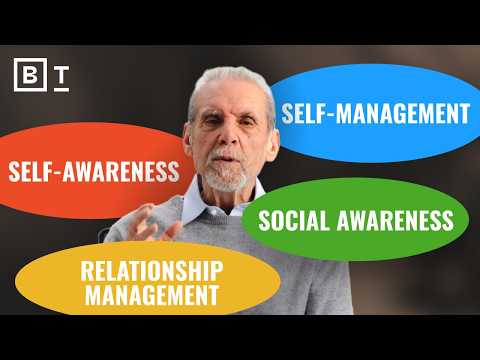
Self-Awareness: This is all about knowing your feelings. When you’re self-aware, you can recognize your emotions and understand how they affect your thoughts and behavior. It’s like when you know you’re getting anxious before a big meeting; that realization can help you manage that anxiety better.
Self-Regulation: Once you’ve got a grip on your emotions, the next step is controlling them. Imagine being stuck in traffic and feeling that rage boil up inside. With self-regulation, instead of screaming or honking your horn like crazy, you take a deep breath or put on some calming music.
Motivation: It goes beyond just wanting things. This part is about having a passion for what you do and being driven to achieve goals for reasons beyond money or status. Think of someone who volunteers at a shelter because they genuinely care; they’re motivated by empathy and compassion.
Empathy: This one’s huge! Empathy involves understanding and sharing the feelings of others. Picture a friend going through tough times; instead of just offering solution after solution, you’re there to listen and acknowledge their feelings.
Social Skills: Good social skills are super valuable in building relationships and navigating social networks effectively. You know those people who seem to connect with everyone? They likely have strong social skills—they’re great communicators and good at resolving conflicts.
Now let’s talk about how this theory relates to mental health because it really does matter here! When someone has high emotional intelligence, they often handle stress better—like that time you were overwhelmed at work but managed to keep cool instead of losing it on everyone around you. And people with strong EI usually have healthier relationships since they can communicate better and respond to others’ needs sensitively.
To wrap this up—Goleman’s Emotional Intelligence Theory isn’t just theoretical mumbo jumbo; it can genuinely make a difference in how we live our lives day-to-day. Balancing our emotions can lead to healthier outcomes both mentally and socially.
And if you’re curious about how this plays into assessments or tests like Goleman’s EI test? Well, these tools gauge various aspects of emotional intelligence so people can see where they’re strong or where they might need some work.
In mental health contexts specifically—understanding these areas helps therapists guide clients more effectively through their challenges while enhancing coping strategies with real-life applications. Seriously important stuff right there!
Comprehensive Guide to Measuring Emotional Intelligence: Downloadable PDF Resource
Emotional intelligence, or EI, is like your personal GPS for understanding emotions—both yours and others’. It’s about recognizing feelings, managing them well, and using that awareness to navigate social situations. The Goleman Emotional Intelligence Test is pretty well-known in this area. It was developed by Daniel Goleman, a psychologist who made a big splash back in the ‘90s talking about EI’s importance. So what does measuring emotional intelligence actually involve? Let’s break it down.
1. What is Emotional Intelligence?
It involves a few key components: self-awareness, self-regulation, motivation, empathy, and social skills. Basically, it’s how you process your own feelings and understand those of people around you.
2. The Goleman Test
This test isn’t just some pop quiz; it’s based on years of research into how we interact emotionally with others. You answer questions that gauge various aspects of emotional intelligence.
3. Self-Awareness
This part of the test probes how well you know your emotions and their effects on behavior. For instance, ask yourself if you can identify when you’re feeling stressed or angry—and why?
4. Self-Regulation
Ever had the urge to yell when you’re frustrated but managed to hold it together? That’s self-regulation in action! This aspect examines your ability to control impulses and manage your feelings.
5. Motivation
In this context, motivation reflects your drive to pursue goals for reasons beyond just external rewards like money or fame. It looks at how passionate you are about what you do.
6. Empathy
When someone shares their problems with you and you feel a genuine urge to help—that’s empathy at work! This part of the test evaluates how well you can understand other people’s emotions.
7. Social Skills
Good communication goes a long way! Social skills are about building relationships and influencing others positively—think teamwork or conflict resolution.
So why should you even care about measuring your emotional intelligence? Well, high EI can lead to better relationships, improved mental health outcomes (like lower anxiety and depression), and greater success overall in both personal life and work settings.
Now let’s talk resources! If you’re interested in deeper insights or practical ways to improve your emotional intelligence skills after taking the Goleman test, there are downloadable PDFs available out there that provide structured exercises and activities—kind of like workouts for your emotional brain!
In wrapping up this whole discussion, remember emotional intelligence isn’t set in stone; it’s something that can grow over time with practice and self-awareness. Being open to learning about yourself can really change how you handle life’s ups and downs!
So, let’s chat about emotional intelligence, or EQ, and how that fits into mental health. You know, when people talk about intelligence, they often think of IQ—like math skills or vocabulary. But what’s really interesting is that EQ can be just as important, if not more so, in how we handle our emotions and navigate relationships.
Now, there’s this guy Daniel Goleman who made a big splash with his work on emotional intelligence. He basically broke it down into a few key areas: self-awareness, self-regulation, motivation, empathy, and social skills. These are like the building blocks of connecting with ourselves and others. It’s all about understanding your feelings and those of the people around you.
Imagine a friend going through a tough breakup. They’re sad and confused but might not even realize how much their mood is affecting their day-to-day life. That’s where emotional intelligence comes in handy! If they can tune into their feelings—maybe even take the time to figure out why they’re feeling this way—they’re more likely to cope better and reach out for support instead of bottling everything up.
In the context of mental health care, using something like Goleman’s Emotional Intelligence Test can be a game-changer. It gives folks insights into their emotional strengths and weaknesses. When therapists use these kinds of tools in sessions, it can spark some serious breakthroughs! For instance, someone might realize they have trouble empathizing with others because they’re so busy managing their own feelings.
I once had a friend who struggled with anxiety for years without really recognizing it. She was like this well-meaning tornado—always helping everyone else but forgetting to check in with herself first! When she took an emotional intelligence assessment one day during therapy (totally suggested by her therapist), it opened her eyes to some patterns she hadn’t noticed before. Hey, we all need a little nudge sometimes!
But here’s the thing: while these tests can offer valuable insights, they’re just one piece of the puzzle. Mental health is complex! It involves biology, personal experiences—everything from family dynamics to past traumas—and not just how you score on a test.
So yeah, Goleman’s take on emotional intelligence definitely sheds light on how we interact with our emotions and connect with others around us. It’s like giving us the tools to build better relationships while also taking care of our own mental well-being—all key components for living a happier life!