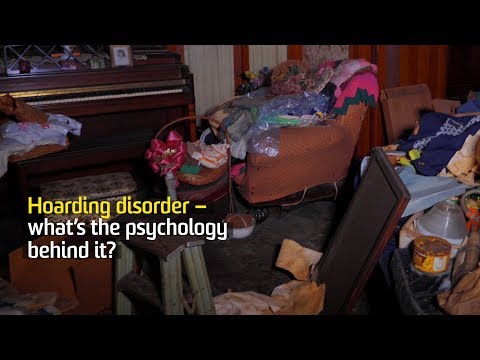
So, let’s chat about hoarding. You might think it’s just about messy houses or people never throwing stuff away. But, honestly, it goes way deeper than that.
This blog provides content for informational, educational, and reflective purposes only. The information published here does not constitute medical, psychological, or psychiatric advice, and it does not replace the evaluation, diagnosis, treatment, or individualized guidance of a properly licensed professional. If you believe you may be experiencing a psychological or health-related issue, consult a qualified professional as soon as possible before making important decisions about your well-being. Do not self-medicate or start, stop, or change medications, therapies, or treatments on your own. While we aim to provide useful and accurate information, we do not guarantee that it is complete, current, or suitable for every situation. Your use of this content is at your own risk, and reading it does not create a professional, clinical, or therapeutic relationship with the author or this website.
Imagine a friend of yours holding onto every single ticket stub, old coffee cup, and broken chair. It’s nuts, right? Yet, there’s a story behind it. It’s not just clutter; it’s a window into their emotions and struggles.
Hoarding isn’t merely a quirky habit; it can come from serious psychological stuff like anxiety or trauma. And that’s what we’re getting into here—the why behind the piles of junk and what it means for someone dealing with this.
Ready to dig in? Trust me; it’s more interesting than you think!
Understanding the Psychological Challenges Faced by Hoarders: Common Issues and Insights
Hoarding is one of those things that can seem, well, kinda strange from the outside. You might see a show about it or read a story and think, “Why in the world would someone keep all that stuff?” But hoarding is way more complex than just being messy or disorganized. It’s actually tied to some pretty deep psychological challenges.
Hoarders often face issues linked to **anxiety** and **depression**. Imagine feeling overwhelmed by worry or sadness so much that you cling to objects for comfort. For many, these items represent safety or security—a way to cope with life’s uncertainties. So when they can’t let go of them, it’s like holding on to a life raft in a stormy sea.
Many hoarders also deal with feelings of **shame** and **embarrassment**. They know their living situations aren’t healthy or normal—you can’t just ignore that mountain of clutter—but they often feel stuck. That shame can be paralyzing and prevent them from asking for help.
Another key factor is **attachment**. Some folks develop this intense emotional bond with their possessions. For them, the thought of getting rid of something—even if it’s broken or useless—can feel like losing a part of themselves. This emotional weight makes decluttering seem impossible, you know?
One thing to keep in mind is that hoarding isn’t just about having too much stuff; it’s about how these behaviors affect daily life. Many hoarders struggle with practical tasks like cleaning or organizing because the clutter can be so overwhelming that it leads to **social isolation**. Friends and family may drift away simply because they don’t know how to help or feel uncomfortable visiting.
You might also notice some common features among hoarders:
- Difficulty in making decisions
- Impulsivity when acquiring new items
- A tendency to procrastinate
- Perfectionism—holding onto things because they think they’ll need them “someday”
And this isn’t just an isolated phenomenon; it actually affects millions of people across the U.S., yet it often goes unnoticed until situations become extreme.
So what helps? Well, therapy tends to be one of the most effective ways forward. Some therapists specialize in cognitive-behavioral techniques designed specifically for hoarding issues—helping clients change their thought patterns around possessions and addressing underlying anxiety.
It’s important to approach this topic with compassion rather than judgment. Just as you wouldn’t judge someone for seeking treatment for depression or anxiety, you shouldn’t criticize someone struggling with hoarding behavior either.
In short, understanding hoarding means looking past the clutter and examining the deeper psychological struggles involved—like anxiety, shame, attachment issues, and social isolation. Those challenges are real-life battles fought behind closed doors every day by people who might not look like they’re suffering at all but who could really use some support along the way!
Understanding the Connection: Is Hoarding Different from ADHD Clutter?
When it comes to understanding hoarding and ADHD clutter, there’s a lot to unpack. These two behaviors might look similar, but they stem from different psychological roots. Seriously, let’s break this down.
Hoarding is when someone has a persistent difficulty discarding or parting with possessions. It usually comes from deep emotional attachments or anxiety. People who hoard might keep items because they feel they might need them someday or because they can’t bear the thought of letting them go. Imagine your friend who collects old magazines and can’t throw any away even though they haven’t looked at them in years. That’s hoarding.
On the flip side, ADHD clutter often results from issues with focus and organization rather than an emotional attachment to items. For someone with ADHD, keeping things tidy can feel overwhelming due to distractions or forgetfulness. You might find that your buddy with ADHD accumulates a pile of clothes on the floor simply because they got sidetracked while putting them away, not because they can’t part with those clothes.
So, why do these two get confused? Both can lead to chaotic living spaces filled with stuff, but the *why* behind them is key:
- Hoarding involves emotional distress: It’s tied to anxiety or trauma.
- ADHD clutter is about executive functioning: It’s more about organizing and prioritizing tasks.
- Treatment differs: Hoarding often requires therapy focused on emotional regulation, while ADHD management may involve behavioral strategies and medication.
Think about it like this: if you were sorting through a hoarder’s belongings, you’d probably notice emotional items like gifts or family photos that they’d struggle to let go of. With someone who has ADHD, you’d just as likely find half-finished projects or random snacks stuffed under the couch—instead of sentimental value, there’s just a lack of follow-through.
It’s crucial for healthcare providers to differentiate between the two so that people get the right help for their situation. Hoarding can lead to severe issues like health and safety hazards; it requires more targeted interventions than just tidying up.
Just remember: understanding the connection between these behaviors is important. Each condition needs its own approach and empathy from those supporting someone dealing with either issue. If you’re trying to help a friend struggling with either hoarding or clutter due to ADHD, be patient—it’s not just about cleaning up; it’s about understanding what’s really going on in their lives.
Effective Strategies to Overcome Hoarding Behavior and Reclaim Your Space
Hoarding can feel like a heavy weight on your shoulders. It’s not just about having too much stuff; it’s often tied to deeper emotional struggles. If you’re looking to reclaim your space, here are some effective strategies to consider.
1. Understand the Root Cause
The first step is figuring out why you’re hoarding in the first place. Is there a fear of losing things? Maybe you attach sentimental value to items that others would throw away? Understanding these emotions can help you tackle the issue head-on.
2. Set Goals
Start small, like with one room or even just a corner of a room. Make specific goals, such as “I’ll clear out this drawer by Saturday.” Break down tasks into manageable chunks so they don’t feel overwhelming.
3. Create a Sorting System
Use categories like “keep,” “donate,” and “trash.” This makes deciding easier and less stressful. You can even set a timer for 15-20 minutes to keep yourself focused. Just remember: it’s not about perfection!
4. Get Support
Having someone there can make all the difference. Whether it’s a friend, family member, or professional therapist, talking through your feelings and the process can lighten your load. It’s not always easy—there might be tears—but that’s totally okay.
5. Practice Mindfulness
Being present helps reduce anxiety about letting go of items. Try deep breathing or meditation when you’re feeling overwhelmed by emotions tied to your belongings.
6. Celebrate Progress
Every little win counts! If you cleared out one box or organized your closet, give yourself credit for that achievement—no matter how small it seems.
These strategies take time and patience; it won’t be an overnight fix, honestly! You might stumble along the way; that’s part of the journey, so don’t beat yourself up over setbacks. With each step forward, you’re reclaiming your space both physically and emotionally!
You know, hoarding behavior is one of those things that can really make you stop and think. It’s not just about having a messy house or keeping way too many old newspapers; it goes much deeper. Imagine standing in a room piled high with stuff—like, everywhere you look, there’s just clutter. It can feel overwhelming, but for someone who hoards, it’s like those items hold a tremendous amount of value. They might see them as memories or safety nets.
I once knew someone who collected all kinds of things—old toys, broken furniture, even random bits of paper. At first glance, it seemed harmless or maybe just quirky. But as time went on, I noticed how stressed they were. They couldn’t let go of any of their belongings because each item felt essential to their identity or their past. It’s kind of heartbreaking when you think about it.
Hoarding is often linked to anxiety and depression. You might cling to possessions as a way to cope with emotional pain or loss. Sometimes people worry about what might happen if they let go; it feels like losing part of themselves or losing control over a chaotic world. That thought alone can spark so much fear that they end up trapped in this cycle of accumulation instead.
The funny thing is that the more stuff you have, the more isolated you can become. It’s hard for friends and family to visit when there’s barely room to walk around, and that loneliness can deepen feelings of worthlessness or shame. That’s why getting help is super important—it often takes a professional to guide someone through the process of sorting through those tough emotions and letting go.
And then there are the psychological implications beyond just clutter. Cognitive behavioral therapy (CBT) can be really effective in addressing hoarding behavior by challenging those unhealthy thoughts around attachment to possessions. It helps people rethink what’s valuable and find healthier ways to cope with their feelings.
It’s wild how something like hoarding connects back to our emotions and mental health—those piles are more than what they seem on the surface; they’re tangled up in years of fears and memories! So here’s hoping we start having more open conversations about stuff like this because understanding is the first step toward healing!