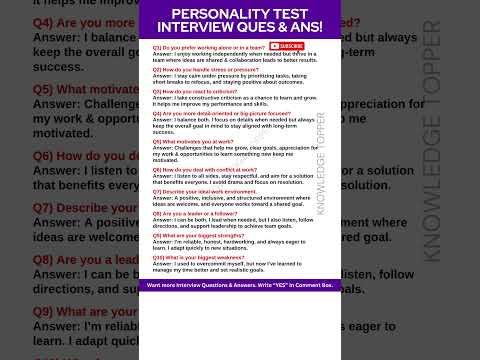
Hey! Have you ever thought about what makes you, well, you? It’s like this puzzle made up of traits, quirks, and all those little things that shape your vibe.
This blog provides content for informational, educational, and reflective purposes only. The information published here does not constitute medical, psychological, or psychiatric advice, and it does not replace the evaluation, diagnosis, treatment, or individualized guidance of a properly licensed professional. If you believe you may be experiencing a psychological or health-related issue, consult a qualified professional as soon as possible before making important decisions about your well-being. Do not self-medicate or start, stop, or change medications, therapies, or treatments on your own. While we aim to provide useful and accurate information, we do not guarantee that it is complete, current, or suitable for every situation. Your use of this content is at your own risk, and reading it does not create a professional, clinical, or therapeutic relationship with the author or this website.
That’s where the Hudson Personality Test comes in. It’s a cool way to get a peek into your own brain and see how you tick.
And honestly, it can be super enlightening. You might realize why you react a certain way or what really drives you.
Plus, connecting these insights to mental health? That’s where the magic happens. Understanding ourselves better can lead to happier lives and better relationships with others.
So let’s unpack this together! You ready?
Unlocking Self-Awareness: Insights from Personality Tests
Self-awareness is like the secret sauce to understanding yourself and how you interact with the world. You know, it’s that moment when you look in the mirror and really see who’s staring back at you. One way people gain some clarity about themselves is through **personality tests**. They can be super insightful, especially if you check out something like the Hudson Personality Test.
The cool thing about these tests is they help break down your personality into understandable chunks. They often categorize traits or behaviors into specific types. Here’s what you can expect.
- Categories of Traits: Different models usually focus on various characteristics—like extroversion versus introversion or thinking versus feeling. In the Hudson Personality Test, for instance, traits might reveal how you approach situations in life.
- Gaining Insights: When you take a test, it can feel like someone just handed you a roadmap to your brain! You might discover that you prefer routine over spontaneity or that you’re better at problem-solving than interpersonal communication.
- Boosting Mental Health: With self-awareness, you’re better equipped to manage anxiety or stress because understanding your triggers becomes easier. If you know you crumble under pressure or thrive in chaos, honestly—how empowering is that?
Let’s think about this with an example—imagine someone named Alex. Alex takes the Hudson Personality Test and finds out he scores high on agreeableness but low on openness. Now Alex knows he tends to avoid conflict but doesn’t like trying new things much. This insight could lead him to consider pushing his boundaries more, maybe even trying a cooking class! It feels risky but also exciting.
Also worth mentioning: these tests aren’t perfect—they won’t define your entire being! Sometimes people get stuck thinking they have to fit neatly into one category. That’s so not true! People are complex and dynamic, like artwork that can’t be pinned down in just one frame.
Understanding yourself helps in relationships too. When you’re aware of your own quirks and tendencies, handling conflicts with friends or partners becomes less stressful. You learn how to communicate better—like saying “Hey, I need some time alone” instead of shutting down completely and causing unnecessary drama.
So, yeah, personality tests can be a window into why we do what we do. They help us navigate our mental health journeys by giving us tools and language to express ourselves more clearly—it’s like giving emotions a name!
In short? Embracing self-awareness through tools like personality tests can kickstart your journey towards better mental health by shedding light on who you are underneath all those layers of life experiences. Keep exploring—you’ve got this!
Understanding the Hudson Test for Personality: A Comprehensive Guide
The Hudson Test for Personality is one of those tools that help you dig into your personality traits. It’s pretty popular because it can offer insights into how you think, feel, and act. So, what’s the deal with this test? Let’s break it down a bit.
First off, the Hudson Test aims to identify your dominant personality traits based on a framework called the **Six Dimensions of Personality**. These dimensions cover a range of human experiences and behaviors. You might find yourself leaning towards certain traits more than others, which can be illuminating.
In this test, you’re presented with statements where you’d choose how much you agree or disagree. This self-assessment gives a clearer picture of where you stand on various personality factors. It’s like looking at yourself through a different lens. Here are some key points to consider:
- Self-awareness: Taking the Hudson Test can be eye-opening! Many people find they learn something new about themselves.
- Focus on growth: Knowing your traits can help guide personal development efforts. You might realize, for instance, that you’re great at teamwork but struggle with decision-making.
- Applications in life: Understanding your personality can help in multiple areas—like career choices or relationships. If you’re aware that you prefer collaboration over competition, you’ll likely seek out roles that fit that style.
But here’s where it gets interesting: the results aren’t just black and white! They provide a spectrum of traits rather than boxing you into one category. For example, if you’re high in «Openness,» it means you might be imaginative and curious but also possibly unreliable at times.
This kind of insight can have real-world implications. Let’s say someone finds out they score high on “Agreeableness.” They may realize they’re good at diffusing conflicts but sometimes struggle to assert their own needs in relationships.
It’s important to remember that while tests like this can give helpful insights, they shouldn’t be seen as definitive labels or judgments about who you are. People are complex—way more than any test could convey.
So practically speaking: If you’ve done the Hudson Test and want to work on specific areas highlighted by your results, consider setting small goals related to those traits. For example, if taking risks feels daunting but you’re wanting to boost your “Risk-Taking” score, maybe start small by trying out new activities or facing minor fears.
In essence, the Hudson Test for Personality offers a unique lens through which to understand ourselves better! Whether you’re figuring out career paths or just getting more comfortable in your skin, this tool is meant to support personal growth and awareness without boxing anyone in completely. Keep exploring your options—you’ll probably surprise yourself along the way!
Evaluating the Accuracy of the Insights Personality Test: Key Insights and Findings
Evaluating personality tests can feel a bit like peeling an onion. There are layers, you know? The Hudson Personality Test is one of those tools that people use to better understand themselves. So, how accurate is it?
First off, the Hudson test is designed to measure different aspects of your personality. It aims to find out how you react in various situations—like stress or teamwork. Some folks swear by it, saying it really gives them a lightbulb moment about their behaviors and preferences. But here’s the catch—it’s not a crystal ball.
The accuracy of these insights depends on several factors. One biggie is the validity of the test itself. A valid test measures what it claims to measure. Research has shown that many personality tests, including the Hudson model, can reflect consistent patterns in behavior over time. But take note: just because something sounds insightful doesn’t mean it’s spot on every time.
Another aspect to consider is reliability. That basically refers to whether you’d get the same results if you took the test again later on. It turns out that many people do find their scores stay somewhat consistent over time—even if they make changes in their lives or selves.
Still, it’s important not to put too much weight on just one test result. People are complex and can shift depending on circumstances or life experiences—like moving to a new city or getting a new job can change how you interact with others.
Now let’s talk about practical implications for mental health awareness. When people understand their personality traits, they might be more equipped to handle relationships and stressors in healthier ways. For instance, someone who scores high on openness might seek new experiences but could also get overwhelmed easily in chaotic situations.
It’s also crucial to remember that personality tests should never be used as definitive labels or boxes to shove yourself into. Everyone has unique qualities that can’t be fully captured by answering multiple-choice questions.
So here’s what you should keep in mind when evaluating this test:
- Validity: Does it truly measure your personality traits?
- Reliability: Will your results stay consistent over time?
- Complexity: People are dynamic and can’t be entirely summed up with one score.
- Mental Health Awareness: Insights can help but shouldn’t dictate your self-worth.
In a nutshell, while the Hudson Personality Test can offer some interesting insights into who you are and how you might handle life’s challenges, it shouldn’t be seen as an absolute truth about yourself or others around you. It’s just one piece of the puzzle in understanding human behavior and mental health! So if you’re thinking about diving into this kind of testing, keep these points close—it’ll help frame your expectations correctly!
The Hudson Personality Test, huh? You might be thinking, “What’s that all about?” Well, it’s one of those personality assessments that helps shine a light on how we tick. It’s not just numbers and graphs; it can really give you some neat insights about yourself and others. It’s like getting a little peek behind the curtain of your own mind.
So, here’s the deal: this test breaks personality down into different categories. You might find out if you’re more of a people person or someone who prefers their alone time. I remember taking it a while back. At first, I thought it was just going to be some silly quiz—like those ones in magazines where you find out which fruit matches your vibe! But then, something clicked. It felt like the results were reading me in ways I hadn’t even considered.
Once you get into your results, you realize they highlight not just strengths but also areas to improve on. Let me tell you about my friend Sam. He got his results and was shocked by how much they highlighted his tendency to avoid conflict. That made him recognize why he struggles with certain relationships—turns out he was trying so hard to keep the peace that he wasn’t being honest with himself or others! Having that awareness changed things for him; he started working on being more open and expressing himself.
You see? This test isn’t just a fun way to kill time; it can lead to real growth in mental health awareness too. Understanding ourselves is super important for managing our emotions and stress levels. If we know our triggers or what drains us emotionally, we can take steps towards healthier habits.
But here’s the kicker: while these tests are insightful, they’re only one piece of the puzzle, right? They don’t define who you are entirely—just like how a snapshot doesn’t capture an entire movie! So using them alongside other methods like therapy or mindfulness can really amplify your understanding. Balancing insights from the Hudson Test with real-life experiences is where the magic happens.
So yeah, if you’re feeling curious, maybe give it a try! Who knows? It might just lead you down an eye-opening path toward greater self-awareness and better mental health — just like it did for my buddy Sam!