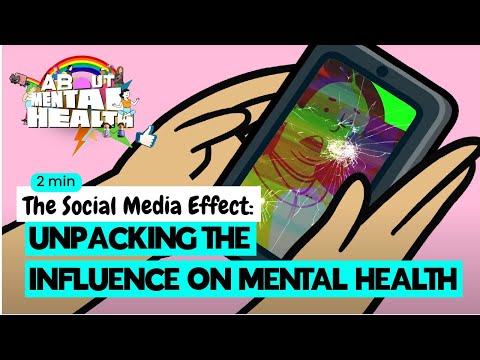
Okay, so let’s talk about social media. It’s everywhere, right? You can’t escape it.
This blog provides content for informational, educational, and reflective purposes only. The information published here does not constitute medical, psychological, or psychiatric advice, and it does not replace the evaluation, diagnosis, treatment, or individualized guidance of a properly licensed professional. If you believe you may be experiencing a psychological or health-related issue, consult a qualified professional as soon as possible before making important decisions about your well-being. Do not self-medicate or start, stop, or change medications, therapies, or treatments on your own. While we aim to provide useful and accurate information, we do not guarantee that it is complete, current, or suitable for every situation. Your use of this content is at your own risk, and reading it does not create a professional, clinical, or therapeutic relationship with the author or this website.
But here’s the thing: it messes with how we see ourselves and others. Seriously. You scroll through Instagram, and suddenly everyone seems perfect.
It’s like an endless highlight reel of happiness, but what about the behind-the-scenes stuff? All those struggles and insecurities? They kinda get lost in the filters and likes.
And that can really mess with your head, you know? It’s super easy to feel alone when everyone else seems to have it all figured out.
So, how is social media shaping our views on mental health? Let’s unpack that a little bit!
The Effects of Social Media on Mental Health: Understanding the Connection
Social media has changed the way we connect, communicate, and even see ourselves. It’s like a double-edged sword, you know? On one hand, it can bring people together, but on the other, it can seriously mess with our heads. So let’s break down how social media impacts mental health and why you should care.
Creating Unrealistic Standards
One of the big things social media does is create these wild beauty standards or lifestyle expectations. You scroll through your feed and see perfect bodies, amazing vacations, and flawless skin. It’s hard not to feel a bit inadequate when your life doesn’t quite measure up. For some folks, this leads to feelings of anxiety or depression because they’re constantly comparing themselves to those picture-perfect posts.
Fear of Missing Out (FOMO)
Ever felt that anxious flutter seeing friends having fun without you? That’s FOMO in action! Social media can really amplify that feeling. You’re always aware of what everyone else is doing—weekend hangouts, parties, travel plans—and it can make you feel left out. It’s exhausting trying to keep up with everything while feeling like you’re on the outside looking in.
The “Highlight Reel” Effect
Here’s the thing: social media usually shows a highlight reel of people’s lives. The good stuff only! The messy moments? Not so much. This can skew our perception and make us think everyone else is living their best life 24/7. When you’re stuck in a tough day or week yourself, seeing only the highlights can feel pretty isolating.
The Echo Chamber
Then there’s something called an echo chamber—the idea that social media can trap you into your own beliefs and opinions. When everyone around you agrees with what you think or feels similar emotions about certain issues, it gets harder to see things from another angle. This might lead to increased stress if you’re faced with opposing views because suddenly it feels like everyone is against you.
Addiction and Time Drain
Let’s talk about how easy it is to get sucked in! Scrolling for hours might seem harmless at first—just a quick look here or there—but before you know it, you’ve lost an entire afternoon. Spending too much time on social media often leads to less time for real-life interactions or self-care activities which are super important for mental well-being.
Lack of Face-to-Face Interaction
Speaking of real-life interactions…Social media can sometimes replace actual conversations with text messages or emojis. While that seems convenient (and hey, who doesn’t love sending memes?), it doesn’t provide that same level of emotional connection as hanging out face-to-face does. Human beings need those personal connections; otherwise, feelings of loneliness might creep in more easily.
Bullies Have New Platforms
Let’s not forget about cyberbullying—it totally exists out there! Social media provides an avenue for bullies who might not have the guts to say things face-to-face but feel empowered behind a screen. The harsh comments or negative messages can sting just as much as any comment made in person—and sometimes more so because they’re permanent on your profile unless deleted.
In Summary, while social media offers some perks—like staying connected—it’s definitely essential to be mindful of its potential negative effects on mental health. Balancing online time with real-life experiences along with fostering positive relationships both online and off could really help protect your mental health from slipping into unhealthy territory.
Downloadable Research Paper: Exploring the Impact of Social Media on Mental Health
The conversation around social media and its impact on mental health has really heated up in recent years. You see, platforms like Instagram, Twitter, and TikTok are massive parts of our lives now. They can shape how we view ourselves and the world. But, you know, there’s a lot of debate about whether this is a good thing or a bad thing.
One of the big worries is that social media can lead to feelings of inadequacy. Imagine scrolling through your feed and seeing perfect photos of friends on vacation or friends with their ideal bodies. It’s easy to feel like you’re not measuring up. Studies show that comparing ourselves to others online can actually increase symptoms of depression and anxiety. That’s pretty heavy stuff.
On the flip side, social media also offers some positives. For instance, it creates communities where people can connect over shared experiences or struggles, like mental health issues. I remember this one time when I stumbled upon a support group for anxiety on Facebook—it was like finding a warm blanket on a chilly day. People were sharing their stories, offering tips, and supporting one another in ways that felt really genuine.
Then there’s the whole aspect of information sharing. Social media is great for spreading awareness about mental health topics that might be overlooked otherwise. You know how sometimes you hear about different conditions or coping strategies just because someone posted about them? That’s important! It helps to normalize conversations around mental health.
However, there’s a downside to this too—like misinformation spreading just as quickly as good info does! So while one post might help someone find therapy options, another post could promote unhealthy coping mechanisms.
Here are some key points about how social media shapes mental health perspectives:
- Comparison Culture: Constant exposure to curated lives can lead to negative self-image.
- Support Networks: Online communities can provide encouragement for those struggling.
- Avenue for Awareness: Social platforms help spread vital information about mental health.
- Misinformation Risks: Not all posts are reliable; some could do more harm than good.
So yeah, while social media has its perks—like connection and support—it also has significant drawbacks that we can’t ignore. It’s all about finding balance and being mindful of how we engage with these platforms. A little self-awareness goes a long way in navigating this digital landscape without losing sight of our well-being!
The Effects of Social Media on Adolescent Mental Health: Insights and Research Findings (PDF)
So, social media and adolescents? It’s a pretty hot topic lately. Kids are glued to their screens for hours, and it’s sparking some serious conversations about their mental health. Seriously, sometimes it feels like social media is a double-edged sword. It can connect people, but it also has some downsides that we can’t ignore.
First off, let’s talk about the positives. Social media allows teens to connect with peers, especially those who might feel isolated. You know how sometimes you just wanna share your thoughts or find someone who gets you? Platforms like Instagram or TikTok can create that space. They share funny memes or supportive messages that help them feel less alone.
But then there’s the flip side. The constant comparison game? Yeah, that can take a toll on mental health. When you’re scrolling through perfectly curated feeds, it’s easy to start feeling like your life doesn’t measure up. You might think, «Why can’t I look like that?» or «Why don’t I have friends like theirs?» This kind of thinking can lead to **anxiety**, **depression**, and even body image issues.
Research findings have shown a strong link between heavy social media use and mental health problems in adolescents:
- Anxiety: Studies indicate that teens who spend more than three hours a day on social media are more likely to feel anxious.
- Depression: Increased screen time correlates with growing rates of depression among young users.
- Sleep Issues: Late-night scrolling often disrupts sleep patterns, which can worsen mood and emotional well-being.
- Cyberbullying: The anonymity of online interactions means bullying now follows kids home—like it never stops!
That brings me to another point—cyberbullying is huge! Most teens have experienced some form of online harassment. Imagine this: you’re at school trying to focus on classes but then get notifications about nasty comments or posts made about you online. It’s relentless and can seriously mess with someone’s self-esteem.
Then there’s the whole issue of validation through likes and shares. Teens often equate their self-worth with how many likes they get on a post. If a picture doesn’t rack up those double-taps right away? Well, it could lead them down a rabbit hole of self-doubt.
A friend of mine once shared how he felt after posting his art on social media. He was filled with excitement until he saw it only got a few likes compared to others’ posts. Suddenly he was doubting his talent and feeling crushed—even though his art was totally awesome! That’s the power (and danger) of social media.
Mental health professionals suggest that parents should keep an eye on their kids’ social media habits without being overly intrusive. Open conversations matter! Ask questions about what they’re seeing online and how it makes them feel—it could make all the difference.
In summary, while social media has its perks for connection and expression among adolescents, it also carries significant risks for mental health issues—especially anxiety, depression, and self-esteem challenges. Balancing screen time isn’t just smart; it’s necessary for healthy emotional growth in young people stepping into adulthood!
You know, social media has become this huge part of our lives, right? It’s like a double-edged sword. On one hand, it connects us in ways we never thought possible. But on the other hand, it can really mess with how we see ourselves and others.
I remember scrolling through Instagram one day, and I stumbled upon a friend’s post. She was sharing her struggles with anxiety. It felt so brave of her to open up like that! But then, there were those perfectly curated feeds around it—people looking flawless on vacation or living their best lives. Seriously, it was hard not to compare myself to that! Ever felt that tug of envy when you see someone else’s highlight reel?
What’s wild is how those moments can shape our perspective on mental health. When we see people talking about their challenges, it can spark conversations—like a ripple effect. All of a sudden, it’s okay to admit you’re not feeling great some days. But then again, social media also sets these unrealistic standards for happiness and success. We start to feel like if we’re not living up to those standards, we’re somehow failing.
And let’s talk about the constant validation thing. It’s so easy to get caught up in likes and comments as if they define our worth. I mean, how many times have you checked your phone after posting something just hoping for that rush of affirmation? It feels good for a minute but can leave you feeling empty later.
So yeah, social media does have this power over how we think about mental health—both positively and negatively. It encourages conversations and awareness while also pushing this impossible bar higher and higher every day. Balancing both sides is tough but so necessary. You’ve got to take care of your mind while navigating this online world—that’s half the battle!