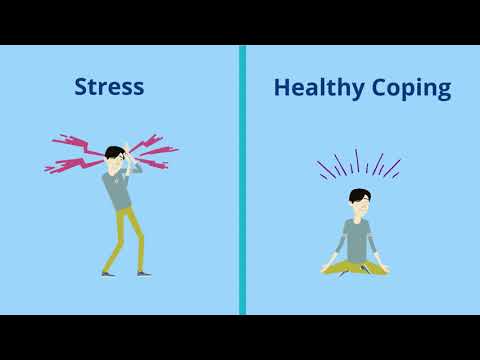
Alright, let’s talk about something real. You ever feel like your brain is just… exhausted? Like, even the simplest task feels like running a marathon? Yeah, that’s intellectual fatigue.
This blog provides content for informational, educational, and reflective purposes only. The information published here does not constitute medical, psychological, or psychiatric advice, and it does not replace the evaluation, diagnosis, treatment, or individualized guidance of a properly licensed professional. If you believe you may be experiencing a psychological or health-related issue, consult a qualified professional as soon as possible before making important decisions about your well-being. Do not self-medicate or start, stop, or change medications, therapies, or treatments on your own. While we aim to provide useful and accurate information, we do not guarantee that it is complete, current, or suitable for every situation. Your use of this content is at your own risk, and reading it does not create a professional, clinical, or therapeutic relationship with the author or this website.
It sneaks up on you, doesn’t it? One minute you’re going about your day and the next you’re struggling to concentrate. It can hit especially hard when you’re trying to juggle mental health stuff.
You know that feeling when everything feels too much and your thoughts are just all over the place? It’s rough. Seriously, it can leave you feeling pretty drained.
But here’s the thing: You’re not alone in this. Many people wrestle with intellectual fatigue, especially when dealing with emotional challenges. So let’s break it down and chat about some ways to cope with it!
Effective Strategies to Overcome Cognitive Fatigue and Boost Mental Clarity
Cognitive fatigue can really throw a wrench in your day, you know? It’s that feeling when your brain is just tired and unfocused, like it’s running on empty. It hits us all—whether you’re juggling work, studying for exams, or managing life stressors. The good news? There are ways to overcome it and boost your mental clarity.
First off, take regular breaks. Seriously, give yourself permission to step away for a bit. When you’re deep in thought or glued to a screen for hours, your brain can feel overloaded. Even a five-minute walk or stretching can help reset your mind. Try the Pomodoro technique: work for 25 minutes then take a 5-minute break. It’s like giving your brain a mini vacation!
Hydration is key. You probably don’t think of drinking water as a mental boost, but being even slightly dehydrated can zap your focus and energy levels. Keep a bottle nearby and sip throughout the day. You might be surprised how much clearer you feel after just rehydrating.
A balanced diet plays a huge role too. Eating well fuels your brain. Incorporate foods rich in Omega-3 fatty acids like salmon or walnuts; they’re great for cognitive function. And don’t forget those colorful fruits and veggies—your brain loves antioxidants!
And let’s chat about sleep—it’s vital! If you’re skimping on shut-eye, it’s no wonder you’re feeling foggy. Aim for 7-9 hours of quality sleep each night; it helps with memory consolidation and overall brain health.
Meditation or mindfulness practices can also help clear mental clutter. Even just five minutes of focused breathing can calm racing thoughts and bring you back to the present moment. Apps like Headspace or Calm make it easy if you need some guidance.
Incorporating physical activity into your routine is another solid strategy. Exercise releases endorphins that not only improve mood but also enhance cognitive functions like attention and creativity. So whether it’s yoga, dancing in your living room, or jogging outside—get moving!
Next up is managing stress. Chronic stress leads to cognitive fatigue real fast! Make space in your schedule for activities that help you relax—like reading, gardening, or spending time with loved ones—and notice how it transforms your focus.
Lastly—but super important—is to limit distractions when working on tasks that require concentration. Put away that phone! Try using apps that block social media during work periods so you won’t keep falling down the rabbit hole of endless scrolling.
All these strategies are pretty manageable! It’s about finding what works best for you and weaving them into daily life so cognitive fatigue doesn’t steal your spark anymore! Remember, it’s okay to feel tired sometimes; it’s just part of being human—but with these tips up your sleeve? You’re set to tackle whatever comes next!
Mastering Fatigue Management: Discover the 5 P’s for Enhanced Mental Well-Being
Fatigue, especially intellectual fatigue, can really mess with your mental well-being. It’s like having a foggy brain that just won’t clear up. You know what I mean? When you’re trying to focus but feel overwhelmed and out of it. Mastering fatigue management is key, and that’s where the 5 P’s come into play. Let’s break them down.
Preparation is the first step. This means setting yourself up for success by planning ahead. If you know you’ve got a long day of work or studying coming, make sure to get enough sleep the night before. Like, seriously—sleep is your friend! Maybe even lay out everything you’ll need in advance so there are no last-minute scrambles.
Next up is Pacing. It’s all about finding that sweet spot between working hard and taking breaks. Have you tried the Pomodoro technique? You work for 25 minutes, then take a 5-minute break. It sounds small but these little breaks can really recharge your brain, so you’re not burning out before lunch.
Then we have Prioritization. Not everything on your list needs to be done today or even this week! Focus on what truly matters and what will give you the most bang for your buck, mentally speaking. For example, if you’ve got assignments due soon and one isn’t due for ages? Tackle the urgent ones first!
Practice comes next, and it relates to building habits to help manage fatigue over time. Maybe set aside time each day for activities like meditation or light exercise—things that help clear your mind. You’re not just practicing these activities; you’re training your brain to handle stress better.
Lastly, we’ve got Pleasure. Seriously! Incorporate things that bring you joy into your routine—whether it’s reading a good book or chatting with friends over coffee. Having those moments of happiness can be like little energy boosts when you’re feeling worn out.
So yeah, mastering fatigue management isn’t just about fighting tiredness; it’s about enhancing your overall mental well-being by implementing these 5 P’s in day-to-day life:
- Preparation
- Pacing
- Prioritization
- Practice
- Pleasure
Make these habits part of your routine, and you’ll likely notice a difference in how energized and focused you feel!
Top 2 Strategies to Combat Empathy Fatigue and Protect Your Mental Health
Empathy fatigue is, like, a real thing. You know when you feel emotionally exhausted from caring too much? It can sneak up on you, especially if you’re in a helping profession or dealing with someone else’s struggles all the time. It’s tough to support others if you’re running on empty. So, let’s chat about a couple of strategies to help you combat that feeling and protect your mental health.
1. Set Boundaries
This one’s huge! It’s all about knowing your limits. You can’t pour from an empty cup, right? Start by identifying how much emotional energy you have each day. If you’ve been listening to someone vent for hours, it might be time to take a step back. You could say something gentle like “I really need some time for myself right now.” This doesn’t mean you don’t care; it just means you’re taking care of yourself too.
Sometimes, people feel guilty about setting these boundaries, but think about it this way: if you’re not at your best, how can you help anyone else? One friend of mine works as a therapist and learned this the hard way. She ended up having a meltdown after weeks of non-stop sessions without breaks. Now she sticks to her schedule and prioritizes “me-time.” Seriously, it’s made all the difference!
2. Engage in Self-Care Activities
Another solid strategy is diving into self-care activities that recharge your batteries. This could be anything—reading your favorite book, going for a walk, or even binge-watching that show everyone’s talking about (don’t judge me!). The idea is to do something that makes you happy and helps clear your mind.
Many people find mindfulness or meditation helpful too; they create space for reflecting on feelings without getting overwhelmed by them. Just five minutes of focused breathing can do wonders! One time after my buddy had a rough week at work, he spent some quiet time outside just being present in nature. It changed his mood completely.
So yeah, empathy fatigue might feel heavy at times, but finding those boundaries and making self-care part of your routine can seriously lighten the load! Keep an eye out for those signs so you can protect your mental health while still being there for others who need you!
You know when your brain feels like it’s been running a marathon, but you haven’t even left the couch? Yeah, that’s intellectual fatigue, and it can hit hard, especially in mental health situations. Picture this: you’ve been talking to a friend about their struggles for hours. You want to be there for them, but the more they share, the more your mind feels like it’s spinning asphalt on a hot July day—it just can’t take in any more.
Intellectual fatigue isn’t just about feeling tired mentally; it’s this heavy cloud that makes decision-making feel like you’re wading through molasses. It can sneak up on you after long therapy sessions or deep discussions about emotional topics. You might think you’re fine until, suddenly, simple tasks seem overwhelming. Like staring at that laundry pile and feeling entirely paralyzed—why can’t I just put stuff away?
There are ways to cope with this kind of fatigue that don’t involve slamming down a bunch of caffeine or scrolling endlessly on social media—though we both know how tempting that can be! Taking breaks is crucial. Seriously. My friend Sarah once told me how she started scheduling “brain breaks.” Every so often during her workday, she’d step outside for fresh air or do a little stretch. Just those tiny moments helped clear her mind and recharge her batteries.
And then there’s journaling—yeah, I know it sounds cliché. But pouring out whatever’s swirling in your head onto paper is surprisingly freeing. You might find clarity in those jumbled thoughts or realize maybe it’s time to take a step back from emotionally-heavy discussions until you’ve had time to refuel emotionally.
Honestly, learning how to recognize when you’re mentally drained is half the battle. Sometimes, it takes practice to listen to your body and mind telling you it’s time for a break or maybe even some self-care—whatever that looks like for you! For some people that’s an hour with a book by their favorite author; for others, it could mean zoning out with some Netflix.
So here’s the deal: coping with intellectual fatigue isn’t about pushing through at all costs; it’s knowing when to pause and give yourself permission to breathe and recharge without guilt. Being aware of these moments makes all the difference in maintaining your mental health—and trust me, you’ll come back stronger when you do!