So, let’s talk about identity, shall we? You know that feeling when you’re just not sure who you are or what you’re doing with your life? Yeah, that’s pretty common.
This blog provides content for informational, educational, and reflective purposes only. The information published here does not constitute medical, psychological, or psychiatric advice, and it does not replace the evaluation, diagnosis, treatment, or individualized guidance of a properly licensed professional. If you believe you may be experiencing a psychological or health-related issue, consult a qualified professional as soon as possible before making important decisions about your well-being. Do not self-medicate or start, stop, or change medications, therapies, or treatments on your own. While we aim to provide useful and accurate information, we do not guarantee that it is complete, current, or suitable for every situation. Your use of this content is at your own risk, and reading it does not create a professional, clinical, or therapeutic relationship with the author or this website.
Enter James Marcia. He’s the guy who took a deep dive into this whole messy thing called identity crisis. It’s not just some teenage angst; it’s real and it affects everyone at some point.
Marcia came up with this cool framework to help us understand how we figure out our identities—like a roadmap for the confusing journey of “who am I?” It’s fascinating stuff!
Stick around because this is going to get interesting. We’ll unpack Marcia’s ideas and see how they apply to our lives today. It’s kind of like having a chat over coffee about what it really means to find yourself.
Understanding the James Marcia Theory: Navigating Identity Crisis in Adolescence
Navigating through adolescence can feel like being on a roller coaster, don’t you think? One moment you’re flying high, and the next, you’re in a loop of confusion and doubt. This is the territory of an identity crisis, and it’s where James Marcia steps in with his interesting theory.
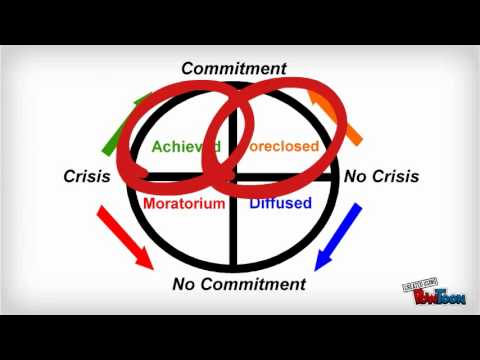
Marcia’s theory is all about identity development, particularly during those teenage years when everything feels up for grabs. He categorized identity into four main statuses: **identity diffusion**, **identity foreclosure**, **identity moratorium**, and **identity achievement**. Each one paints a different picture of how teens deal with their sense of self during this transformative time.
Identity diffusion happens when a person hasn’t yet explored or committed to any identity. They might wander through life, unsure of what they want. Think about that kid who hops from one hobby to another without ever really settling down—like trying out soccer, then art, then chess, but never really sticking with any of them.
Then there’s identity foreclosure. This is where someone commits to an identity without exploring other options. They might just take on what their parents or society has laid out for them. Imagine someone who decides to pursue law just because their family has always been lawyers—it feels safe, but it doesn’t necessarily reflect who they are.
Next is the moratorium status. Here’s where things get interesting! Teens in moratorium are actively exploring different identities but haven’t settled on one yet. They might experiment with various beliefs or lifestyles—sort of like trying on different outfits before finding the right fit for them. You’ve probably seen your friend go through phases—one week they’re super into punk rock and the next they’re all about yoga and mindfulness.
Finally, we have identity achievement. This is there where personal exploration leads to solid commitments! It’s like finding that perfect pair of shoes after trying on tons of styles; it just feels right. Individuals here know who they are and what matters to them because they’ve figured it out themselves through experience.
Now imagine a young girl named Samira who went through this process throughout her high school years. In her sophomore year, she was lost in diffusion, skipping clubs completely because she didn’t know where she belonged. By junior year, she tried acting and discovered she loved performing but still didn’t connect deeply with any group—a classic case of moratorium. Finally, by senior year after exploring music too and reflecting on her experiences, Samira found her passion truly lay in theater while also holding onto elements from both interests—a clear sign she reached achievement.
Marcia’s work reminds us that these phases aren’t flaws; they’re part of growing up! Everyone experiences some level of crisis around their identity as they mature. Just remember: it’s totally normal to question who you are as you grow! Each step leads closer to uncovering your true self—and isn’t that something we can all relate to?
Understanding Identity Crisis in Psychology: Causes, Symptoms, and Coping Strategies
Identity crises can be seriously tough. They’re those moments when you find yourself questioning who you really are or where you fit in. A lot of people experience this, especially during huge life changes or transitions. It’s like standing in front of a mirror and not recognizing the reflection looking back at you.
So, what kicks off an identity crisis? Well, a whole bunch of things can trigger it. Some common causes include:
- Life transitions: Things like moving to a new place, starting a new job, or even graduating can throw your identity into question.
- Relationship changes: Breakups, divorce, or even losing touch with close friends can make you rethink your sense of self.
- Career dissatisfaction: If you’re stuck in a job that doesn’t feel right for you, it’s natural to wonder about your path.
- Existential questions: Sometimes just thinking about the big questions in life—like purpose and meaning—can lead to confusion about who you are.
I remember a friend of mine went through this when she graduated. She worked super hard for her degree but found herself feeling lost afterward. Like, she had been so focused on school that once it was over, she didn’t know what to do next. It’s one of those classic “What now?” moments.
When people hit an identity crisis, they often show certain symptoms that indicate something deeper is going on. You might notice:
- Confusion: Feeling unsure about your beliefs or values is super common during this time.
- Emotional distress: You might feel anxious or depressed as you struggle with who you are.
- A pull towards exploration: Trying out different activities, styles, or even ideologies to see what fits might happen.
- A sense of isolation: Sometimes it feels like no one else understands what you’re going through.
It’s important not to ignore these feelings. They’re signals from your mind saying something needs attention.
Now let’s chat about coping strategies! Finding ways to navigate through an identity crisis can help ease the discomfort and provide some clarity:
- Self-reflection: Journaling or spending time alone thinking about what matters most to you can clarify your identity.
- Talking it out: Having open conversations with trusted friends or family members helps process feelings and thoughts.
- Counseling:** Seeking professional support offers a safe space for exploring identity issues and gaining insights.
- Trying new things: Engaging in new experiences—like picking up a hobby—can help discover different aspects of yourself
There’s also some psychology behind all this from James Marcia’s work on identity development. He explored how people form identities through stages involving exploration and commitment. Basically, he broke it down into four categories:
– **Identity Diffusion**: When someone hasn’t explored options yet and made no commitments.
– **Identity Foreclosure**: Making commitments without exploring alternatives.
– **Identity Moratorium**: Actively exploring options but not yet making commitments.
– **Identity Achievement**: Successfully explored options and made personal commitments.
Understanding where you fit into these stages can kind of be like using a map when you’re lost; it gives context!
Identity crises are messy but totally normal parts of life. As tough as they can be, facing them usually brings growth and more understanding about who we truly are. You’re definitely not alone if you’re going through something similar!
Exploring James Marcia’s Contributions to Erikson’s Identity Formation Theory
James Marcia took Erik Erikson’s ideas about identity and really ran with them. So, what did Marcia do? He focused on the process of identity formation, particularly during adolescence. Erikson laid out eight stages of psychosocial development, but Marcia wanted to dig deeper into how young people actually develop their sense of self.
Identity Crisis is a key concept here. When you’re in those teenage years, you’re figuring out who you are. That might feel overwhelming sometimes—like being in a maze without a map. You know you need to find your way out but every turn feels like it’s leading you deeper into confusion. Marcia argued that this “crisis” isn’t just chaos; it’s a critical period for growth.
Marcia introduced four identity statuses that describe where someone might be in their identity journey:
Marcia’s work shows that identity formation isn’t linear—it can twist and turn as we figure things out, sort of like winding road through your favorite park.
A good example of this can be seen in high school students deciding on college majors. Some may rush into choosing a major due to parental pressure (foreclosure), while others bounce between different interests but haven’t decided yet (moratorium). Eventually though, some will sit down and reflect on what they truly love—and that’s where achievement happens.
In the bigger picture, Marcia added depth to Erikson’s framework by highlighting these specific statuses instead of just saying everyone goes through an identity crisis. There’s more nuance here—you know?
In short, James Marcia took Erikson’s groundwork and elaborated on how identities develop through choices and experiences during those tumultuous adolescent years. It’s all part of growing up—figuring yourself out can be messy but also incredibly rewarding!
You know, when it comes to figuring out who we are, it’s like trying to solve a puzzle that keeps changing shape. That’s where this guy James Marcia comes in. He had some pretty cool ideas about identity crisis, which is basically that awkward time in life when you’re trying to figure out your own beliefs, values, and where you fit in the world. Ever been there? Yeah, I think we all have.
Marcia talked about different stages of identity development. He broke it down into four categories: identity diffusion, identity foreclosure, identity moratorium, and identity achievement. Sounds fancy, right? But stick with me because it’s actually pretty relatable.
Let’s say you’re in high school and everyone seems to have their lives sorted out—friends already know what they want to do after graduation. Meanwhile, you’re sitting there thinking about three different majors and a potential career in interpretive dance. That’s what Marcia would call “identity diffusion.” You’re just kind of floating around without a clear sense of direction.
Then there’s “identity foreclosure,” which is like when someone decides on a path way too early without really exploring other options. Imagine being told you should become a doctor because your parents were doctors and that’s just how it is. It might work for some people but can leave others feeling trapped or unhappy.
On the flip side is “identity moratorium,” where you’re fully aware of all the choices but still haven’t committed to anything yet. This stage can be rife with anxiety—like waiting for your coffee order but not knowing if you want a latte or straight black coffee… or maybe even tea! You know what I mean? It can be exhausting and confusing!
Finally, there’s “identity achievement.” That’s when everything starts to click! You’ve explored your options and decided on who you want to be—or at least something close enough! Think of it as finally completing that puzzle after months of searching for the last piece.
I remember a friend who went through this whole process with their career choice. They changed majors three times before settling into something they loved—graphic design! It was messy at times—lots of existential dread over whether they were wasting time—but eventually they found their groove. It’s like Marcia says; sometimes it takes time and exploration before you really feel like yourself.
So yeah, Marcia’s framework offers us some neat insights into those times when we feel lost or uncertain about our identities. And honestly? Just knowing that this struggle is normal can be super comforting as we navigate through life’s twists and turns together.