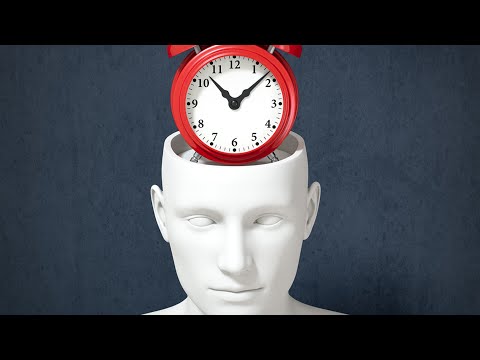
Hey! So, let’s chat about night owls. You know those folks who just can’t get to bed early? Yeah, they’re not lazy; their bodies might actually be wired that way.
This blog provides content for informational, educational, and reflective purposes only. The information published here does not constitute medical, psychological, or psychiatric advice, and it does not replace the evaluation, diagnosis, treatment, or individualized guidance of a properly licensed professional. If you believe you may be experiencing a psychological or health-related issue, consult a qualified professional as soon as possible before making important decisions about your well-being. Do not self-medicate or start, stop, or change medications, therapies, or treatments on your own. While we aim to provide useful and accurate information, we do not guarantee that it is complete, current, or suitable for every situation. Your use of this content is at your own risk, and reading it does not create a professional, clinical, or therapeutic relationship with the author or this website.
A lot of us have this internal clock called the circadian rhythm. It’s like the body’s little timekeeper. But for some, it runs late, and that can mess with more than just sleep schedules. It’s like living in a different time zone!
And guess what? This late-night vibe can seriously impact mental health, leaving people feeling anxious or down. If you’ve ever wondered why your buddy seems more alert at midnight than 8 AM, keep reading. Trust me; there’s a lot more going on under the surface!
Understanding the Impact of Circadian Rhythm Disruption on Mental Health: Insights and Solutions
Circadian rhythms are like your body’s internal clock, telling you when to sleep, wake up, eat, and do all those daily things. But what happens when that clock gets a little wonky? You get a circadian rhythm disruption, and it can seriously mess with your mental health.
You know how when you’ve pulled an all-nighter or have been switching time zones, you feel foggy and irritable? That’s your circadian rhythm doing the cha-cha instead of its usual waltz. This disruption can lead to various issues like anxiety, depression, or even bipolar disorder. You start losing the ability to regulate emotions properly and may feel more overwhelmed by daily stressors.
- Late Circadian Rhythm: This is when your sleep-wake cycle shifts to later in the day. Imagine being super productive at night but struggling to get out of bed in the morning—sound familiar? People with this pattern often find it hard to align with the conventional 9-to-5 schedule.
- Consequences on Mental Health: Studies show that late sleepers may experience higher levels of anxiety and depressive symptoms. It’s like being caught in a loop where mood dips and energy drops happen more frequently.
- Social Jetlag: This is when your body clock is out of sync with societal norms—like feeling wide awake at 2 AM but dragging through work at 8 AM. It can lead to feelings of isolation or frustration as you struggle to fit into regular schedules.
Here’s a little story for you: My friend Jake used to stay up late playing video games. He loved those midnight sessions but started feeling more anxious during the day. It took him a while to realize that his sleep schedule was wreaking havoc on his mood! He noticed he was irritable at work and had trouble focusing. Once he made changes—like setting boundaries on gaming hours—he found himself less anxious and way more balanced.
So how do we fix this? Well, it’s not just about sleeping early; it involves resetting that internal clock.
- Light Exposure: Morning sunlight can help regulate your circadian rhythm. Try soaking up some rays first thing after waking up.
- Consistent Sleep Schedule: Go to bed and wake up at the same time every day—even on weekends! Seriously, it does wonders for stabilizing your body clock.
- Avoid Late-Night Screens: Yeah, scrolling through Instagram isn’t doing you any favors right before bed. The blue light from screens messes with melatonin production—the hormone responsible for sleep.
If you’re struggling with this kind of disruption, consider reaching out for some extra support too. Speaking with a mental health professional might give you tailored strategies that suit your specific situation.
In short, understanding how circadian rhythm affects mental health isn’t just a fun science fact; it’s key for feeling better overall. Give yourself grace while making these changes—after all, realigning a whole system takes time!
The Hidden Health Consequences of Circadian Rhythm Disruption: Understanding Its Impact on Mental Well-Being
You know those nights when you just can’t fall asleep? Or maybe you’re up late scrolling through your phone instead of hitting the hay? Circadian rhythm disruption is more common than you think, and it can mess with your mental health in ways you might not even realize.
So, what is circadian rhythm? It’s basically your internal clock. It tells your body when to sleep, wake up, eat, and even when to feel alert. When it’s on point, everything runs smoothly. But if that clock gets scrambled—like from staying up late or shifting work schedules—it can cause some serious problems.
When we talk about a late circadian rhythm, it often means you’re going to bed way later than “normal.” People with this pattern may find themselves feeling sluggish during the day but wide awake at night. Not cool, right?
- Mood Issues: Research shows that irregular sleep patterns are linked to conditions like anxiety and depression. Yup, if you’re tossing and turning or sleeping at odd hours, it could be why you’re feeling down.
- Cognitive Impairments: If your body isn’t getting the rest it needs at the right times, problem-solving skills and creativity might take a hit. Remember cramming for exams? That’s brain overload without enough sleep!
- Stress Levels: A disrupted circadian rhythm can lead to higher levels of cortisol—the stress hormone. More stress equals less peace of mind; no one wants that.
- Physical Health Connections: It’s not just about feeling blue—disruption can affect physical health too! You might see issues like weight gain or heart problems surfacing down the line.
Think of my buddy Alex for example. He used to stay up late gaming every night. Over time, he noticed his mood was all over the place—one minute he was fine; the next minute he was snapping at everyone around him. Once he made an effort to get to bed earlier, his mood stabilized quite a bit. Just goes to show how powerful catching those zzz’s is!
The irony? We live in a world that constantly pushes us to stay awake longer—late-night TV shows, social media scrolling—you name it! But our bodies are still doing their thing behind the scenes and craving structure.
If you find yourself feeling out of sync with your internal clock, try giving yourself some gentle nudges back into a regular routine:
- Create a relaxing bedtime ritual.
- Avoid screens before bed; they trick your brain into thinking it’s still daytime.
- Stick with consistent wake-up times—even on weekends!
This stuff takes time! But when you start giving attention back to your circadian rhythm? You might just notice that boost in mental well-being you’ve been needing. Seriously—it could make all the difference!
Balancing Your Circadian Rhythm: Unlocking the Secrets to Better Mental Health and Well-Being
Balancing your circadian rhythm can really change how you feel day to day. It’s like tuning a radio; once it’s set right, everything sounds clearer. Your circadian rhythm is that internal clock that tells your body when to wake up and when to wind down. When it’s off—like having a late circadian rhythm—it can mess with not just your sleep, but your mental health too.
A late circadian rhythm means you might feel more energized at night and struggle in the mornings. You know that feeling of dragging yourself out of bed? Yeah, that’s what happens when your body wants to stay up late but the world expects you to rise early. It’s exhausting, right? And this can lead to a range of issues like anxiety or depression because your body isn’t getting the rest it needs.
So, what exactly are the effects? Well, here are some key points:
Now let’s talk about what you can do about it. It starts with recognizing those patterns and making small changes. One way is to gradually shift your bedtime earlier by about 15 minutes every few days until you’re in a better spot.
Another trick is exposure to natural light. Sunlight helps regulate that internal clock! Try getting outside first thing in the morning or using bright indoor lights if that’s tough where you live.
Oh! And limiting screen time before bed is crucial too. Those screens emit blue light which tricks your brain into thinking it’s still daytime—it’s like telling your body «Hey, keep partying!» when all it wants is some downtime.
And don’t forget relaxation techniques—things like meditation or deep breathing can really help calm racing thoughts before bedtime.
Let me tell you about my friend Jess. She was always more awake during movie marathons than during work hours because she had a serious case of late circadian rhythm syndrome going on. After learning about her sleep cycle and incorporating some of these tips—like putting her phone down an hour before bed—she swapped groggy mornings for fresh starts full of energy.
Your mental health really does hinge on sleep quality and timing. By taking control of your circadian rhythms, you’re not just improving how well you rest—you’re setting the stage for better days ahead too!
So, let’s chat about circadian rhythms. You know, those internal clocks in our body that tell us when to sleep, wake up, and honestly when to occasionally binge-watch Netflix till 2 a.m.? Well, a late circadian rhythm is when your body wants to do everything later. You might feel like you’re more of a night owl than an early bird.
I remember my friend Sarah. She was always the last one to go to bed during our college days. While everyone else was hitting the hay by midnight, she’d be scrolling through her phone or working on projects at 3 a.m., then struggling to make it to that 9 a.m. class. Crazy, right? But that’s the thing; she wasn’t just living her best owl life—her mental health took a hit because of it.
People with late circadian rhythms often get caught up in this whirlwind of social lives and work commitments that don’t match their natural sleep patterns. It’s like trying to fit a square peg in a round hole, you know? They might struggle with anxiety or depression, partly because they’re not getting enough quality sleep or feeling out of sync with everyone else.
Now, there’s more going on here than just being sleepy during the day. If your body is wired for late nights but the world says “rise and shine” at dawn, there’s gonna be some friction. And let’s face it: fatigue doesn’t play nice with your mind. Lack of sleep can lead to irritability and stress, which can spiral into bigger issues over time.
It’s not all doom and gloom though! Recognizing your own rhythm can be pretty empowering. Once Sarah realized she was fighting against her natural sleep cycle instead of embracing it, she started setting boundaries—like saying no to morning classes and shifting deadlines whenever possible. Suddenly, things felt more manageable for her mental health.
So if you find yourself feeling like you operate on a different time zone from most people? Just know you’re not alone in this dance with the clock! Figuring out how to align your lifestyle with your unique rhythm could make all the difference for both your mood and overall well-being. It’s about finding what works for you and creating that balance so you’re thriving instead of just surviving.