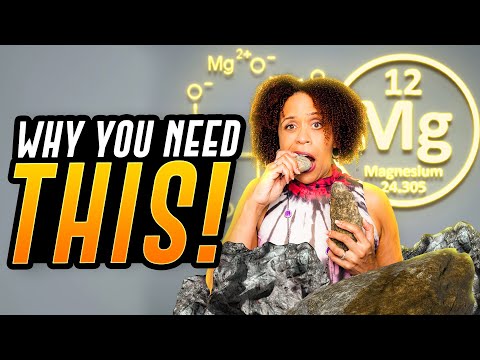
You know how sometimes you just feel kind of off? Like, maybe your brain’s in a fog, or you can’t seem to shake that anxious feeling.
This blog provides content for informational, educational, and reflective purposes only. The information published here does not constitute medical, psychological, or psychiatric advice, and it does not replace the evaluation, diagnosis, treatment, or individualized guidance of a properly licensed professional. If you believe you may be experiencing a psychological or health-related issue, consult a qualified professional as soon as possible before making important decisions about your well-being. Do not self-medicate or start, stop, or change medications, therapies, or treatments on your own. While we aim to provide useful and accurate information, we do not guarantee that it is complete, current, or suitable for every situation. Your use of this content is at your own risk, and reading it does not create a professional, clinical, or therapeutic relationship with the author or this website.
Well, it turns out that magnesium might be playing a sneaky role in all this. Seriously, this little mineral does way more than you’d think!
A lot of us aren’t getting enough of it, and that can mess with our brains.
From mood swings to memory issues, magnesium deficiency can show up in some surprising ways. Let’s chat about it and figure out what’s going on with this essential nutrient and your noggin!
11 Warning Signs of Low Magnesium and How They Affect Your Mental Health
Magnesium plays a huge role in your overall health, but most people don’t think about it much. It’s like that friend who’s always there for you but doesn’t get enough credit. If you’re feeling a bit off, it might be worth checking in on your magnesium levels. So let’s chat about 11 warning signs of low magnesium and how they can mess with your mental health.
- Fatigue and Weakness: Ever feel bone-tired, like no amount of coffee can help? Low magnesium can zap your energy, making you feel sluggish and unmotivated.
- Anxiety: If you find yourself feeling more anxious than usual, low magnesium might be at play. It helps regulate neurotransmitters, which are crucial for mood.
- Irritability: You know those days when everything gets on your nerves? Magnesium helps keep your mood steady; without it, irritability could creep up on you.
- Difficulty Sleeping: Struggling to catch some Z’s? Magnesium helps relax the nervous system. A deficiency could leave you tossing and turning all night.
- Persistent Cramping: If you’re dealing with muscle cramps or tension often, it’s a sign that something’s off. Low magnesium means muscles can tighten up more than they should.
- Poor Concentration: You might find it hard to focus or even remember things. Magnesium is key for brain function; without enough, foggy thinking can happen.
- Nausea or Digestive Issues: Feeling queasy or having stomach problems aren’t pleasant at all. Low magnesium levels can mess with gut health, leading to these issues.
- Tingling Sensations: Experiencing weird tingling or numbness? This sensation could be tied to low magnesium affecting nerve function.
- Lack of Motivation: Feel like the couch has turned into your best friend? Low energy from magnesium deficiency might make getting things done seem impossible.
- Mood Swings: Ups and downs in mood? Magnesium supports serotonin production, which means without enough of it, emotional roller coasters could become more common.
- Cognitive Decline: Over time, low magnesium may contribute to memory problems or cognitive decline. Keeping your levels up is essential for brain health as we age.
If you’ve been nodding along while reading this list, consider talking to a healthcare professional about testing your magnesium levels. It’s amazing how this little mineral affects so much! Just remember: keeping an eye on those warning signs is key to maintaining both your mental and physical well-being.
Exploring the Link Between Magnesium and GABA: Can Magnesium Boost Your Mental Health?
So, you’ve probably heard some buzz about magnesium and its link to mental health. Well, what’s the deal with magnesium and GABA? Let’s break it down.
Magnesium is a mineral that plays a crucial role in our body. It’s involved in hundreds of biochemical reactions. But one thing that really stands out is its connection to brain health and mental well-being.
Now, you might be asking, What exactly is GABA? GABA (gamma-aminobutyric acid) is a neurotransmitter. Think of it as your brain’s calming signal. It helps keep things chill and balanced in your noggin—kind of like having a good friend who tells you to take a deep breath when life gets hectic.
The big question we’re exploring here is whether magnesium can enhance GABA levels in the brain. This matters because low levels of GABA are often linked with anxiety and stress.
- Magnesium Deficiency: When your body doesn’t get enough magnesium, it can hit your emotional state hard. You might feel more anxious or even irritable.
- Aid for Anxiety: Some studies suggest that getting enough magnesium might help increase GABA production in the brains of people who are deficient. More GABA could mean less anxiety!
- The Relaxation Connection: Magnesium doesn’t just support GABA; it also plays a role in muscle relaxation and sleep quality, which are crucial for mental health.
This connection isn’t just theoretical. There have been reports where people noticed improvements in their mood when they upped their magnesium intake—pretty neat! It’s like finding an extra piece to your mental health puzzle.
You know, I once read about this guy named Mike who struggled with anxiety for years. After learning about magnesium’s potential benefits, he decided to incorporate more magnesium-rich foods into his diet—like spinach and almonds—and he said he felt more relaxed over time.
However, it’s important to remember not all research is clear-cut. While there are promising signs regarding magnesium’s relationship with GABA and anxiety relief, more rigorous studies need to be done to solidify these claims.
If you think you might be running low on magnesium or dealing with serious anxiety issues, chatting with a healthcare professional can help guide you through this maze. They’ll know how best to approach it based on your unique situation.
So yeah, while we’re still piecing together how everything works together up there in our brains, boosting your magnesium intake could just be one way to support your mental health along with other strategies like therapy or lifestyle changes.
In short? Magnesium has some solid potential when it comes to enhancing brain function and mood stability through its relationship with GABA! So keeping tabs on your nutrition can make all the difference—your mind will thank you later!
Unlocking Mental Resilience: How Magnesium Supports Brain Repair and Mental Health
We often hear about the importance of nutrients for our bodies, but magnesium is one that doesn’t get enough love. Seriously, it’s like the underrated sidekick in a superhero movie. You might not think about it much, but this mineral plays a massive role in brain health and mental resilience.
So, what’s the deal with magnesium? Well, this mineral helps keep our brain cells happy and functioning smoothly. When you’re deficient in magnesium, it can lead to all sorts of problems. Think anxiety, depression, or just feeling mentally foggy. It’s like trying to run your favorite app on an old phone; it just doesn’t work well.
Now let’s get into how magnesium supports brain repair and overall mental health:
- Neurotransmitter Regulation: Magnesium influences neurotransmitters—the brain’s chemical messengers. If those messengers are out of whack due to low magnesium, your mood can take a hit.
- Stress Response: Stress can suck the life out of you. Magnesium helps modulate your body’s response to stress by supporting adrenal function and cortisol levels.
- Mood Stabilization: Studies suggest that magnesium might help stabilize mood by promoting serotonin production. You know serotonin—one of those “feel-good” chemicals that make everything seem less heavy.
- Reducing Inflammation: Chronic inflammation has been linked to mental conditions like depression. Magnesium has anti-inflammatory properties that can help curb that pesky inflammation.
Now here’s something interesting: imagine you’ve had a long day at work that’s left you completely drained. Your mind feels cluttered, like a messy room where you can’t find anything. This is when magnesium comes into play! Taking steps to boost your levels—through foods or supplements—could be like clearing out that cluttered space.
And speaking of food, where can you find these precious magnesium sources? Here are some tasty options:
- Nuts and seeds (almonds and pumpkin seeds are top-notch)
- Leafy greens (spinach tends to be a superstar here)
- Whole grains (think brown rice or quinoa)
- Dark chocolate (yes, please! Just remember moderation.)
For many people, simply incorporating these foods into their diet isn’t always enough because lifestyles are busy! But even small changes might make a difference over time.
It’s important to keep in mind that while boosting magnesium intake can support overall brain function and mental health, it isn’t a magic bullet for everyone. Sometimes issues may be more complex than just nutrient deficiencies alone.
So next time you’re feeling overwhelmed or just not quite yourself, consider taking a moment to check in with what you’re eating—and maybe give magnesium some thought too! Remember though; if you’re really struggling with mental health issues or suspect deficiencies could be at play, chatting with a healthcare professional could help clear things up more effectively than any blog post ever could!
You know, it’s funny how something as simple as a mineral can have such a big impact on our brain health. Magnesium is one of those unsung heroes that we often overlook. I mean, who really thinks about magnesium unless they’re dealing with cramps or something?
So, I was chatting with a friend the other day who mentioned feeling super foggy and anxious a lot lately. She’s been under pressure at work and juggling everything life throws at her—seriously, it’s like she’s in a circus juggling act! Anyway, after talking for a while, we started to wonder if maybe her diet could be playing a role in how she feels. That’s when magnesium popped up in our convo.
Magnesium helps with tons of stuff like regulating neurotransmitters—the brain’s chemical messengers. When you’re running low on it, things can start to feel off. You might notice increased anxiety or stress, trouble sleeping, or even mood swings. And that just adds another layer to an already tough situation! Imagine trying to focus on your tasks while your brain feels like it’s stuck in molasses.
I’ve read that magnesium deficiency can also lead to more serious issues down the line if left unchecked: think things like depression or even cognitive decline as you age. It kind of makes you sit up and pay attention, doesn’t it? Like realizing there’s this invisible struggle happening within you that could be linked to something so fundamental.
So when you consider how much pressure we all put on ourselves to perform and be «on,» it’s easy to see how neglecting something like magnesium could sneak up on us. It’s not just about eating more greens or nuts; sometimes it’s about taking an honest look at what we’re fueling our bodies with.
It might feel overwhelming at times—like trying to adult while staying healthy—but knowing there are really simple changes we can make is kinda empowering! So yeah, paying attention to those little things can make a big difference for your mind and mood over time.