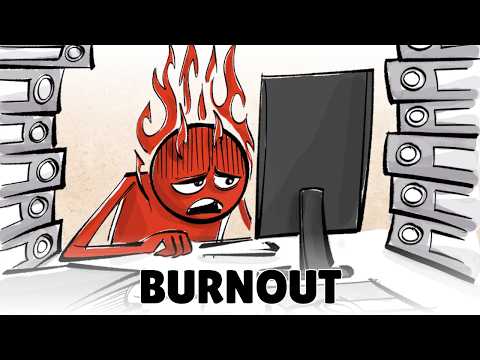
You know that feeling when you’re just totally wiped out? Like, your brain feels like a soggy sponge? Yeah, that’s mental exhaustion. It sneaks up on you when life gets super busy or stressful.
This blog provides content for informational, educational, and reflective purposes only. The information published here does not constitute medical, psychological, or psychiatric advice, and it does not replace the evaluation, diagnosis, treatment, or individualized guidance of a properly licensed professional. If you believe you may be experiencing a psychological or health-related issue, consult a qualified professional as soon as possible before making important decisions about your well-being. Do not self-medicate or start, stop, or change medications, therapies, or treatments on your own. While we aim to provide useful and accurate information, we do not guarantee that it is complete, current, or suitable for every situation. Your use of this content is at your own risk, and reading it does not create a professional, clinical, or therapeutic relationship with the author or this website.
Seriously, it can hit everyone. You wake up tired, even after a full night’s sleep. Ugh, right? And it’s not just about being sleepy; it messes with your emotions and can make everything feel heavier.
It’s wild how our brains work, huh? You might find yourself snapping at friends or zoning out at work. All of this can really take a toll on your mental health.
Let’s chat about what mental exhaustion is all about and why it matters for you. Understanding it better might help you catch those signs before they take over your life.
Recognizing the Symptoms of Mental Drain: Signs You’re Overwhelmed and Tips for Recovery
Mental drain, or exhaustion, is something many of us experience at some point. It’s that feeling where your brain feels heavy and your thoughts are all over the place. You know that fuzzy sensation when you just can’t seem to focus? Well, that’s mental exhaustion creeping in.
First off, recognizing the signs is crucial. Being aware can help you take steps toward feeling better. Here are some common symptoms:
- Persistent Fatigue: You feel tired all day, even after a full night’s sleep.
- Cognitive Overload: Tasks that used to be easy now seem daunting.
- Irritability: Little things start to bug you more than they should.
- Difficulty Concentrating: Your mind wanders often, making it hard to follow conversations or read.
- Loss of Motivation: You might feel like giving up on projects or activities you once enjoyed.
This exhaustion often sneaks up on you. Maybe you’ve been juggling work, responsibilities at home, and a bit too much social life. One day, it hits you: “Why do I feel like I’m running on empty?”
The psychological effects of mental drain can be serious. It’s not just about feeling tired; it can lead to anxiety and depression if left unchecked. Think about it: when you’re overwhelmed, those feelings build up like a balloon ready to pop!
If you’re nodding along right now—trust me, I’ve been there—it’s important to acknowledge how you’re feeling and take action. Here’s how you can start recovering from mental exhaustion:
- Pace Yourself: Break tasks into smaller pieces. Instead of tackling everything at once, try focusing on one thing at a time.
- Create Boundaries: Learn when to say no! Protect your time so you’re not overloaded.
- Take Breaks: Seriously! Stepping away for even a few minutes can recharge your brain. Go for a walk or just sit in silence for a bit.
- Practice Mindfulness: Simple breathing exercises or meditation can help ground you and clear your mind.
- Simplify Your Schedule: Look for ways to cut out unnecessary commitments—your mental health should come first!
If you’re still feeling overwhelmed after trying some of these tips, consider reaching out for support. Talking to someone—a friend or a therapist—can make a big difference. Remember, it’s perfectly okay to seek help when things get tough! You’re not alone in this journey; lots of folks have felt this way too.
Mental drain is real and it happens to the best of us. Recognizing the signs early on lets you catch it before it spirals into something bigger—and learning how to cope ensures that you’ll bounce back stronger than ever!
Understanding Mental Fatigue: A Comprehensive Test to Assess Your Cognitive Wellness
Mental fatigue is something that many of us face but don’t always recognize. You know that feeling when your brain just feels foggy? Like it’s carrying a heavy load, and even simple tasks feel like climbing a mountain? That’s mental fatigue. It’s not just being tired; it’s a cognitive exhaustion that can creep in on you without warning.
What Is Mental Fatigue?
Essentially, mental fatigue is when your brain gets overloaded and needs a break. It can happen after long hours of work, stress, or just juggling too many things at once. Imagine trying to focus on multiple things while dealing with emotional stress—yeah, it makes sense why your brain might throw up its hands and say «enough!»
Common Causes
Some of the usual suspects behind mental fatigue include:
- Stress: This could be from work pressures or personal life issues.
- Lack of Sleep: If you’re not snoozing well, your brain’s not recharging.
- Poor Nutrition: What you eat plays a big role in how you think and feel.
- Prolonged Screen Time: Spending too much time staring at screens can exhaust your mind.
Think about the last time you pulled an all-nighter for a project or a binge-watched series. You probably felt like a zombie the next day, unable to focus or think clearly. That’s exactly where mental fatigue can strike.
The Psychological Effects
When you’ve hit that wall of mental exhaustion, it’s more than just feeling tired. You might notice:
- Mood Changes: Suddenly irritable or sad? Yep, that could be linked to how drained you are.
- Cognitive Decline: Difficulty concentrating, making decisions, or remembering things can sneak up on you.
- Anxiety and Stress:** Elevated anxiety is often tied to feeling mentally fatigued.
I once had a friend who worked long hours at her job without taking breaks. One day, she found herself staring blankly at her computer screen for ages. She was exhausted but couldn’t pinpoint why she felt so off. After taking some time off to recharge mentally—like going out for walks and disconnecting from her work emails—she found her clarity coming back!
A Comprehensive Test for Your Cognitive Wellness
If you’re not sure whether you’re facing mental fatigue or maybe something more serious like burnout, there are some assessments out there that can help evaluate your cognitive wellness. These tests might look at:
– Your ability to concentrate
– Your memory recall
– How quickly you process information
You can find online quizzes that provide some insight into how fatigued your mind really is. Just remember: they’re not substitutes for professional advice but rather tools to help gauge where you’re at.
In essence, recognizing this mental fatigue is crucial because ignoring it only leads to bigger issues down the road—like chronic stress or burnout! So if you’re feeling overwhelmed, it’s best to take stock of your situation and make changes where needed.
So yeah, take care of yourself! Give yourself permission to rest and recharge when needed; it’s all part of maintaining good cognitive health.
Effective Strategies for Treating Mental Fatigue: Boost Your Mental Wellness
Mental fatigue is real, and let me tell you, it can hit hard. Like, one moment you’re cruising through your day, and the next, your brain feels like it’s stuck in molasses. It’s that overwhelming sensation where even simple tasks suddenly feel like climbing a mountain. I remember a friend of mine who was juggling work deadlines and family commitments. One day, he just blanked out during a meeting. That’s mental fatigue for you—it sneaks up when you least expect it.
So what can you do to tackle this pesky issue? Here are some strategies that could help boost your mental wellness:
- Take Breaks: Seriously, don’t underestimate the power of a break. Just stepping away from your screen for five or ten minutes can work wonders. Go grab a snack or take a short walk outside.
- Prioritize Sleep: I know how tempting it is to binge-watch another episode or scroll through social media late at night. But good sleep is essential! Aim for around 7-9 hours if you can.
- Stay Hydrated: You might not realize this, but dehydration can sap your energy and focus. Make sure you’re drinking plenty of water throughout the day—it’s easier than you’d think to forget when you’re busy.
- Engage in Physical Activity: Exercise isn’t just for building muscles; it boosts your mood too! Whether it’s dancing in your living room or hitting the gym, moving around gets those endorphins flowing.
- Meditation and Mindfulness: Taking a few minutes to meditate can calm that racing mind of yours. Just focusing on your breath can help clear away some of that foggy feeling.
- Avoid Multitasking: Yeah, I get it; we all want to be super productive. But multitasking usually leads to more exhaustion! Focus on one thing at a time instead—you’ll finish faster and with less stress.
Also, engage in activities that nourish your soul—like reading a good book or catching up with friends over coffee (or tea). Those moments of joy create little breaks from the mental chaos.
If mental fatigue feels persistent or overwhelming—even after trying these strategies—consider chatting with someone who gets it.Therapists and counselors are trained to help people navigate these feelings and find more personalized strategies.
So yeah, taking steps towards managing mental fatigue doesn’t have to be a daunting task. Small changes add up over time! Remember: it’s totally okay to ask for help when you need it; nobody has to go through this alone.
You know that feeling when you’ve been running around all day, juggling work, family, and a million little tasks? You hit a wall, right? That’s mental exhaustion kicking in. It’s like your brain is waving a white flag, saying, “I can’t do this anymore!”
So, mental exhaustion isn’t just being tired from lack of sleep. It’s deeper; it can sneak up on you when you’re constantly stressed or overwhelmed. Imagine pouring a bucket of water into a well without ever letting any out. Eventually, that well overflows. But in our case, when your mind gets overloaded, instead of water spilling out, it’s clarity and focus that’s lost. You end up feeling foggy and uninspired.
I remember when I was swamped with assignments and personal stuff. I thought I could power through it all—just one more late night working on that report! But after a week or two like that, I felt hollowed out. Even simple decisions became tough — like deciding what to eat for dinner seemed impossible. It’s like my brain was running on empty.
Mental exhaustion doesn’t just zap your energy; it messes with your mood too. You might feel irritable or anxious for no clear reason. Simple things can trigger frustration; now imagine how that affects relationships! Friends might think you’re being moody or distant when really you’re just trying to navigate through the brain fog.
And here’s the kicker: this state doesn’t get better by simply catching up on sleep alone—or scrolling through TikTok for hours (we’ve all been there). Real recovery often means taking time off from stressors and practicing self-care. Whether that’s grabbing coffee with a friend or just taking 10 minutes to breathe deeply—those small moments are essential.
The thing is, we often don’t talk about mental exhaustion enough. It feels weird admitting you’re drained mentally instead of physically—it’s almost seen as weakness sometimes. But recognizing it is huge! When you acknowledge it exists and give yourself permission to take a break? That’s where healing starts.
In short, understanding mental exhaustion is key to navigating life’s hustle and bustle without losing yourself in the process. Remember: you’re not alone in this struggle!