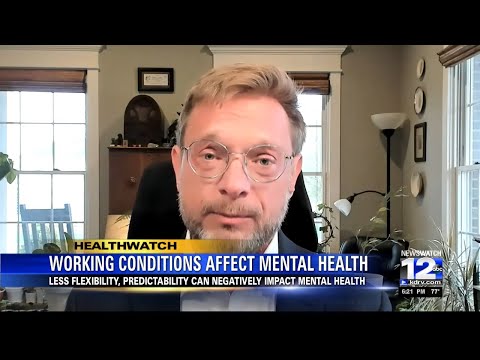
You know how sometimes work feels like a never-ending treadmill? Seriously, it can be exhausting. And let’s face it, mental health isn’t exactly the hottest topic during team meetings, right?
This blog provides content for informational, educational, and reflective purposes only. The information published here does not constitute medical, psychological, or psychiatric advice, and it does not replace the evaluation, diagnosis, treatment, or individualized guidance of a properly licensed professional. If you believe you may be experiencing a psychological or health-related issue, consult a qualified professional as soon as possible before making important decisions about your well-being. Do not self-medicate or start, stop, or change medications, therapies, or treatments on your own. While we aim to provide useful and accurate information, we do not guarantee that it is complete, current, or suitable for every situation. Your use of this content is at your own risk, and reading it does not create a professional, clinical, or therapeutic relationship with the author or this website.
The thing is, we spend so much time at work that we really need to feel “okay” while doing it. But what happens when stress or anxiety gets in the way? That’s where mental health rights come into play.
It’s super important to advocate for your wellbeing at work. You deserve an environment that supports you—not just some corporate jargon about “work-life balance.”
So let’s chat about what your rights are and why it matters. After all, taking care of your mind is just as important as hitting those deadlines. Got your coffee or tea? Perfect! Let’s dig in!
Comprehensive Guide to Mental Health in the Workplace: Downloadable PDF Resource
Mental health in the workplace is a big deal. Seriously. We spend so much time at work that how we feel there can really affect our overall happiness and well-being. If you’re looking to get a grip on mental health rights at work, it’s super important to know what’s out there.
First off, let’s talk about mental health rights. Everyone deserves to feel safe and supported in their workspace, right? In the U.S., laws like the Americans with Disabilities Act (ADA) protect your right to reasonable accommodations if you have a mental health condition. This could be anything from flexible work hours to having a quiet space where you can decompress when things get overwhelming.
Now, how do you advocate for your well-being at work? Here are some key things to consider:
- Know Your Rights: Understand what protections apply to you. For example, if anxiety or depression affects your ability to perform tasks, you might qualify for accommodations.
- Speak Up: If something feels off, it’s okay to talk about it. Sharing your feelings with HR or a trusted supervisor can help create a better work environment.
- Utilize Resources: Many companies offer Employee Assistance Programs (EAPs). These programs provide free counseling services and resources. Take advantage of them!
- Create Connections: It helps to build relationships with coworkers who care about mental health too. You’re not alone in this; sometimes just knowing others are on the same page makes a big difference.
- Pace Yourself: Stress can pile up fast! Learn techniques like mindfulness or even just taking short breaks throughout the day to recharge.
You might remember that time when your friend was totally overwhelmed by deadlines and felt that no one understood. Well, that personal connection is huge! When people start openly discussing their own struggles, it creates an environment where everyone feels they can share without fear of being judged.
Also, don’t forget about workplace policies! A good employer should have policies that promote mental wellness—like regular check-ins or workshops on stress management. If these aren’t happening where you work, it might be worth suggesting them!
And hey, if you’re in charge of team dynamics or management? It’s so important to foster an atmosphere where employees feel valued and understood. Small gestures like showing appreciation for hard work or providing resources for mental health can go a long way.
In summary, navigating mental health at work isn’t just about knowing your rights; it’s also about taking action! Whether it’s talking openly with HR or finding peer support, advocating for yourself is key.
Overall, managing mental well-being in the workplace is crucial for creating a positive atmosphere where everyone thrives. So keep these points in mind and don’t hesitate to seek support when needed!
Boosting Employee Well-Being: Essential Articles on Mental Health in the Workplace
When it comes to workplace mental health, the thing is, it’s super important to create an environment where everyone feels supported. You know? Like, a happy workplace isn’t just about the free coffee or casual Fridays. It’s really about the culture and practices that promote well-being.
Mental health rights at work mean that employees should have access to resources that help them manage their mental health effectively. You’ve probably heard stories about coworkers struggling with stress or anxiety and not knowing where to turn. It’s tough! But employers can play a significant role in changing that.
Here’s some key stuff you might want to consider:
- Open Communication: Encouraging open conversations about mental health makes a huge difference. When employees feel comfortable sharing their feelings, they’re more likely to seek help instead of burying everything under a pile of work.
- Flexible Work Arrangements: Sometimes life gets chaotic, and flexible hours can really help. Imagine a scenario where someone is juggling personal issues—being able to adjust work hours could mean they show up more focused and productive.
- Access to Resources: Providing access to mental health resources like counseling services or workshops can be lifesavers. So if an employee feels overwhelmed, there’s support right at their fingertips.
- Training for Managers: Educating managers on how to recognize signs of mental distress in employees is vital. A simple conversation from a caring boss can go a long way!
You might be thinking, how does this all fit into advocating for well-being? Well, when employees feel their mental health needs are acknowledged and met, they’re not just happier—they’re also more engaged at work!
A little story might illustrate this well: I once knew someone who worked in an office where they had “mental health days” built into their sick leave policy. The first time my friend took one of those days off, they felt nervous but ended up using it to recharge and clear their head. When they returned, they were literally buzzing with energy and ideas! That’s the power of supporting well-being.
If we think about *advocating* for these changes in workplaces too—employees should feel empowered not just to ask for support but also advocate for policies that promote mental wellness overall. Do you see how interconnected all this is?
You know what else matters? Creating awareness around legal protections related to mental health in the workplace can help eliminate stigma. Employees need to understand their rights—like keeping your mental health status confidential if needed or requesting reasonable accommodations without fear of backlash.
The bottom line? Acknowledging and prioritizing employee well-being isn’t just good practice; it’s essential for building resilient teams that can thrive even during tough times.
If you keep these ideas flowing through your workplace discussions (and push for meaningful changes), you could potentially transform the whole vibe into something amazing! Seriously!
Navigating Workplace Challenges: Effective Strategies for Managing Mental Health Impact on Your Job
Navigating workplace challenges can be a real rollercoaster, especially when it comes to mental health. You know, sometimes stress feels like that heavy backpack you wear all day. It can slow you down and mess with your focus. But managing this stuff is totally possible! Here’s how you can tackle it.
First off, understanding your rights at work is super important. In the U.S., workplace laws protect against discrimination based on mental health conditions. That means your employer can’t just fire or treat you differently because you’re dealing with anxiety or depression. Knowing this gives you a leg to stand on if things get tough.
Think about it—if something’s bothering you at work, addressing it early is key. Open communication with your boss or HR can make a big difference. Maybe you need flexible hours during a tough week, or perhaps a quiet space to work in? Just ask! Most managers appreciate honesty and will try to accommodate needs when they can.
Sometimes, even the best intentions don’t cut it. If you’re feeling overwhelmed or burnt out, setting boundaries is crucial. This might mean saying no to extra tasks when you’re already swamped or taking time off just for self-care—like staying in bed with some comfort food and binge-watching your favorite show! It’s okay to prioritize your wellbeing.
Also, connecting with coworkers who get what you’re going through can really help. Building a support network, even if it’s just getting lunch with a colleague who understands your struggles, can lighten the load. You’d be surprised how many people feel the same way but are afraid to speak up!
And look, if things start feeling too heavy or unmanageable, don’t hesitate to reach out for professional help. A therapist can offer tools and strategies that fit your specific situation—like teaching you mindfulness techniques or coping strategies for stressful days.
In the end, remember that your mental health matters. Advocating for yourself at work isn’t just beneficial for you; it creates a healthier environment for everyone around you too! Picture this: when one person takes care of their mental health, it encourages others to do the same—and that creates an open atmosphere where everyone feels respected and valued.
So keep these strategies in mind as you navigate those workplace waters—communicate openly, set boundaries, lean on your support network, and seek help when needed. You got this!
You know, when you think about it, mental health rights at work are super important. Everyone deserves to feel safe and supported in their workplace. Like, it’s not just about getting paid or meeting deadlines; it’s about your well-being too. I mean, have you ever had a job that was just, well, draining? You show up every day but feel like you’re carrying this heavy weight on your shoulders. It can be tough.
I remember a friend of mine who worked at a tech company that had this “work hard, play hard” culture. He loved the excitement but the pressure was massive—long hours and constant deadlines. Over time, he started feeling anxious and overwhelmed. He didn’t really know what to do because it felt like there wasn’t any space to talk about mental health openly. It’s scary when you think speaking up could put your job at risk.
That’s where advocating for mental health rights comes in. There’s this growing recognition that mental well-being is just as crucial as physical health in the workplace. Employers should be creating environments where people can express their struggles without fear—and honestly, they should be doing a lot more about it! Crazy how many companies still overlook this stuff.
It’s not just about having fancy employee assistance programs either or saying “we care.” It’s about fostering a culture that genuinely supports people dealing with anxiety, stress, or depression; offering flexibility so folks can take care of their mental wellness without jeopardizing their livelihoods. If someone needs to take a mental health day? That should be as normal as taking a sick day!
But let’s get real for a second: advocating for these rights isn’t easy. Sometimes you hit brick walls—management might brush off concerns or misunderstand what supporting mental health looks like. You’ve got to keep pushing for change because that’s how things improve over time.
So if you find yourself in a place where your mental well-being is slipping through the cracks at work, don’t hesitate to speak up—whether it’s talking to HR or bringing it up with your boss directly (if you feel safe doing so). Seriously! It matters more than we often realize.
At the end of the day, we all want workplaces where we can thrive—not just survive! Taking steps toward acknowledging and supporting mental health at work can open doors to better productivity and happier employees overall. And who wouldn’t want that?